



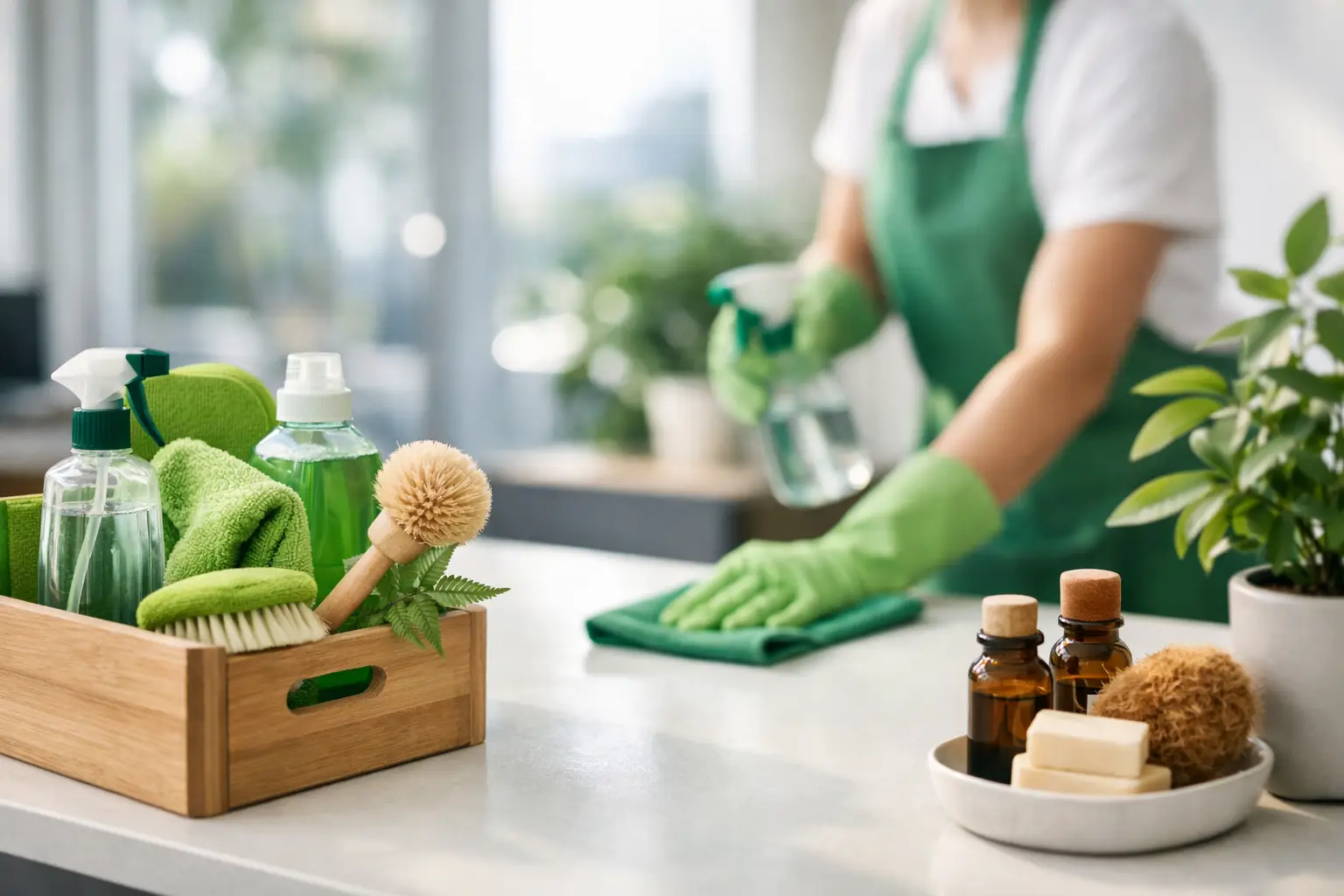

A polished office, a fresh-smelling rental, a spotless family home – they all need to feel clean without leaving behind harsh residues, overpowering scents or unnecessary waste. That is why green cleaning trends are getting real attention across Sydney, from busy households to schools, clinics and commercial sites that need high standards without compromise.
For many property owners and managers, this shift is no longer about appearances alone. It is about creating spaces that support health, day-to-day comfort and responsible operations. The most meaningful change is not a single miracle product. It is a more considered approach to how cleaning is planned, delivered and measured.
Why green cleaning trends matter now
The old idea of “stronger chemical smell means cleaner” is losing ground. Clients are asking better questions. What is being sprayed onto shared desks? Will the floors be safe for children or patients straight after cleaning? Can a vacate clean still achieve inspection-ready results without excessive chemical use? Those questions reflect a more informed market.
At the same time, hygiene expectations have risen. In offices, schools and healthcare-adjacent environments, cleaning has to do more than make a space presentable. It needs to reduce risk, support compliance and fit around the people using the space. Green cleaning, when done properly, does not lower standards. It raises the level of planning behind them.
There is also a practical cost question. Wasteful methods, overuse of product and one-size-fits-all routines are not efficient. Smarter green practices often improve consistency because teams use the right products in the right quantities for the right surfaces.
The green cleaning trends changing homes and facilities
Low-toxicity products are becoming the baseline
One of the clearest changes is the move towards low-toxicity, biodegradable and environmentally considerate products. In residential settings, this matters because people live with the results. Benchtops, bathroom tiles, carpets and high-touch surfaces should be hygienic without leaving a chemical film behind.
In commercial and institutional spaces, the benefit is broader. Staff and visitors spend long hours indoors, and repeated exposure to heavily fragranced or aggressive products can be unpleasant for some people. Low-toxicity options help reduce that burden while still supporting a professional standard of cleanliness.
That said, product choice depends on the site. A childcare setting, an office kitchenette and a mould-affected bathroom will not always require the same treatment. Green cleaning is not about using the mildest option every time. It is about using the most suitable one responsibly.
Microfibre systems are replacing wasteful habits
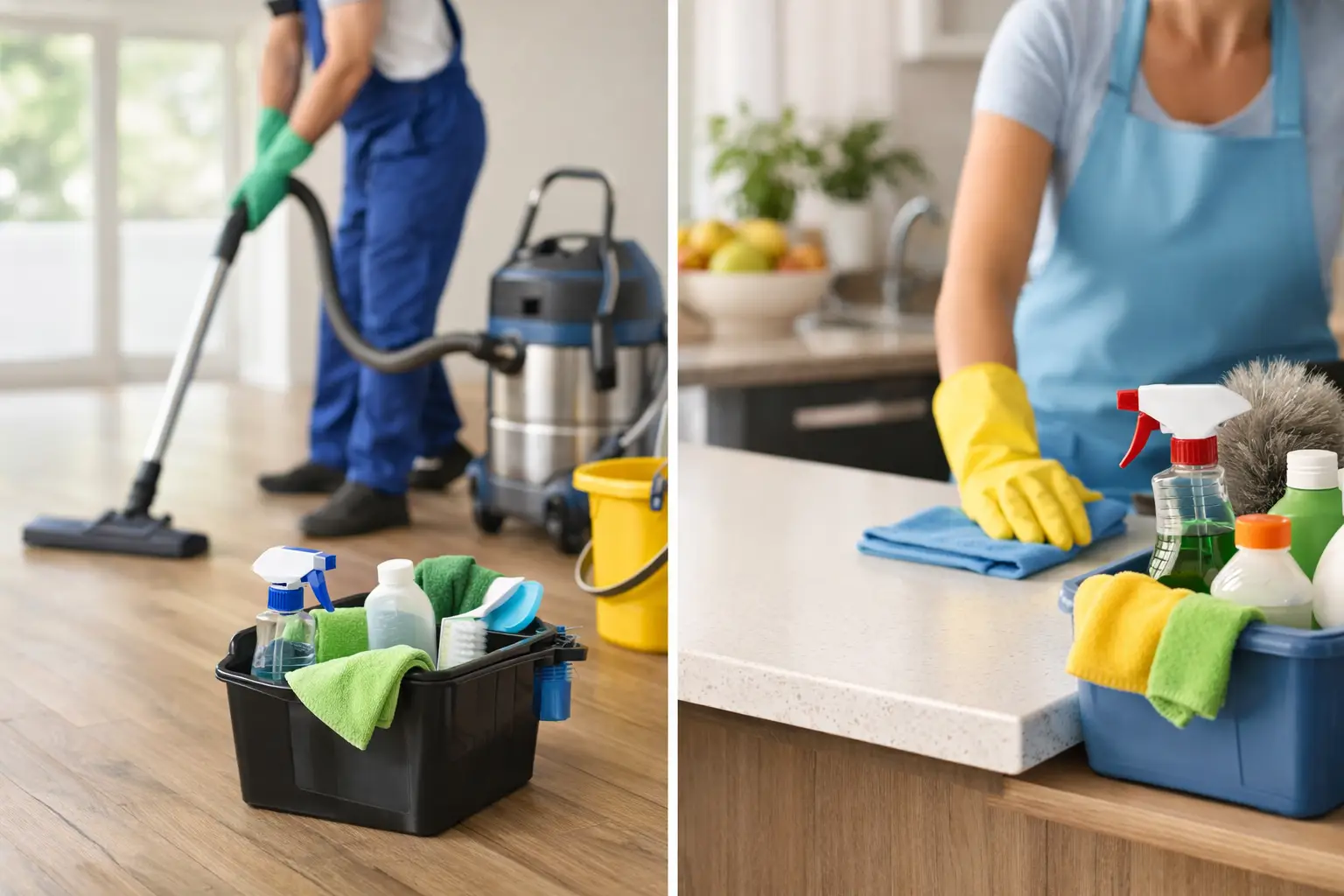
Microfibre cloths and mop systems have become central to greener professional cleaning because they lift dirt efficiently and often reduce the amount of chemical and water needed. This may sound like a small operational detail, but across a home, office or multi-room facility, the savings add up quickly.
They also support better cross-contamination control when colour-coded correctly. In practical terms, that means bathrooms, kitchens, workstations and common areas can be cleaned with clearer separation. For clients, the result is not just greener practice. It is a more disciplined one.
Refillable packaging and measured dilution are gaining ground
Another trend is happening behind the scenes: less waste in product handling. Professional teams are moving away from excess single-use packaging and towards refill systems, concentrates and measured dilution controls.
This matters because overpouring is common when cleaning is not properly managed. Too much product does not automatically mean a better clean. It can leave streaks, residues and unnecessary waste. Controlled dilution improves consistency, protects surfaces and supports transparent service standards.
Equipment efficiency is now part of the conversation
Green cleaning is no longer limited to what is inside the bottle. Clients are paying more attention to the equipment being used, especially in larger facilities and specialised work. High-efficiency vacuums, steam-based systems for selected applications and water-conscious pressure cleaning methods are all part of the trend.
The trade-off is that equipment alone does not guarantee an eco-friendly outcome. A powerful machine in the wrong hands can still waste water or damage surfaces. Professional execution matters just as much as the technology itself.
What clients are expecting from green cleaning services
Proof, not vague promises
The market is more sceptical than it used to be, and rightly so. Terms like eco-friendly and natural can be used loosely. Homeowners, landlords and facility managers increasingly want to know what those claims mean in practice. Are products selected for lower toxicity? Are staff trained to use them correctly? Is the cleaning plan adjusted to the property rather than pulled from a fixed checklist?
That is where experienced providers stand apart. A credible green service should still explain outcomes clearly: what will be cleaned, how hygiene standards will be maintained and where stronger treatment may still be required.
Customised cleaning plans instead of fixed routines
One of the strongest green cleaning trends is customisation. A family home with pets, a high-traffic medical waiting area and an end of lease apartment all have different risks, surfaces and expectations. Treating them the same usually creates waste or misses the mark.
Tailored plans make green cleaning more effective because they focus effort where it delivers the most value. This can mean adjusting frequency, selecting surface-appropriate products or combining regular maintenance with periodic deep cleaning. It is a more strategic way to protect presentation and hygiene over time.
Hygiene and sustainability working together
Some clients still assume there is a trade-off between environmental responsibility and sanitation. In reality, the better question is whether the service provider understands when each priority leads. In a general office clean, low-impact methods may cover most needs. In a healthcare-related or mould treatment context, sanitation requirements may demand stronger interventions.
The best green cleaning strategies do not ignore these realities. They balance them. That balance is what separates a polished, professional result from a purely marketing-driven claim.
Where green cleaning trends are most visible in Sydney
In residential cleaning, the demand is especially strong among busy families, allergy-conscious households and tenants preparing for inspections. People want a home that looks elevated and feels safe to return to straight away. Heavy chemical odours are increasingly seen as a drawback, not a sign of quality.
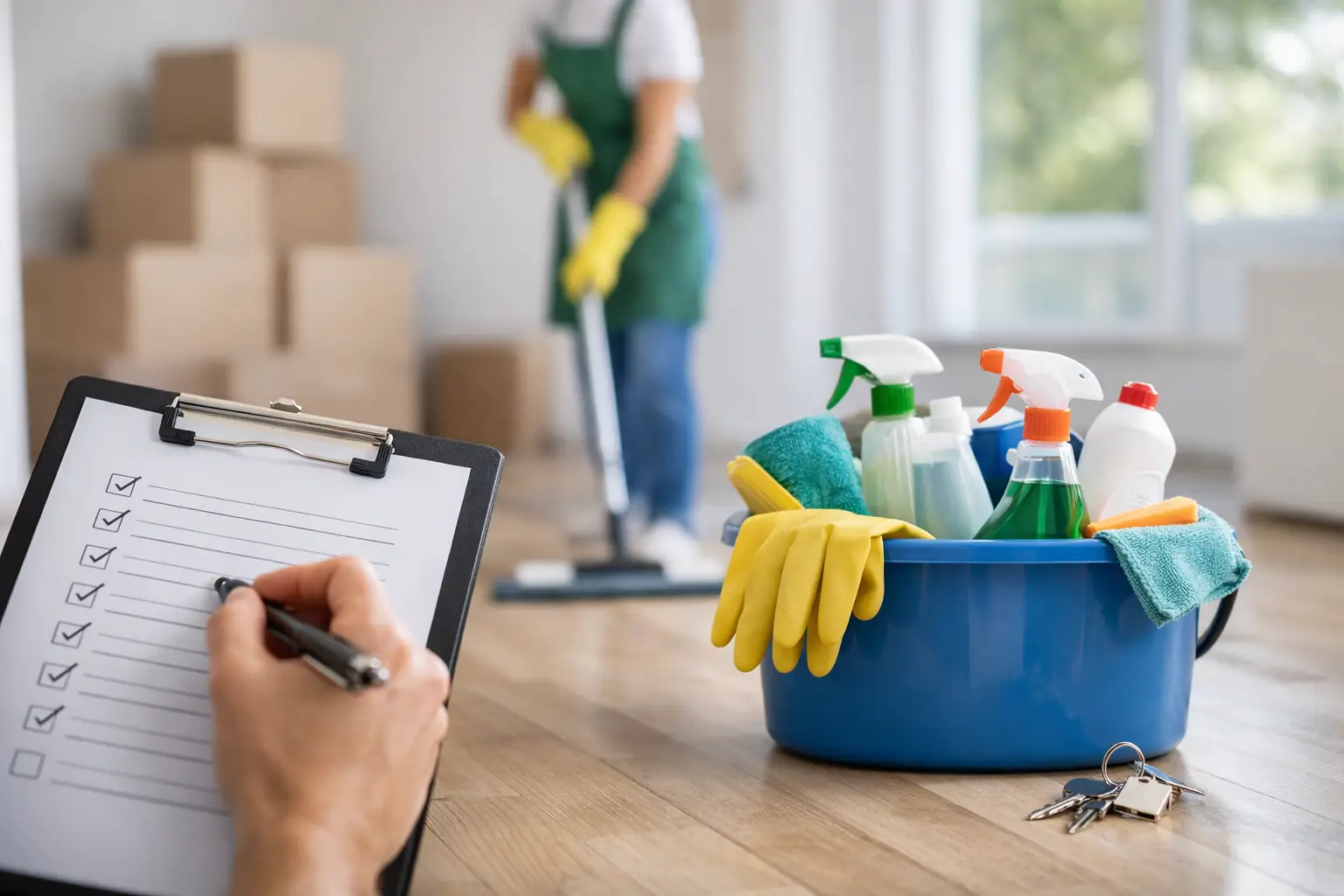
In end of lease work, expectations are more precise. Property managers and landlords want presentation, detail and reliability. Tenants want the best chance of a smooth handover. Green methods can play an important role here, but only if the cleaning is still thorough enough to meet vacate standards. That means ovens, bathrooms, skirting boards, carpets and glass all need proper attention, not shortcuts.
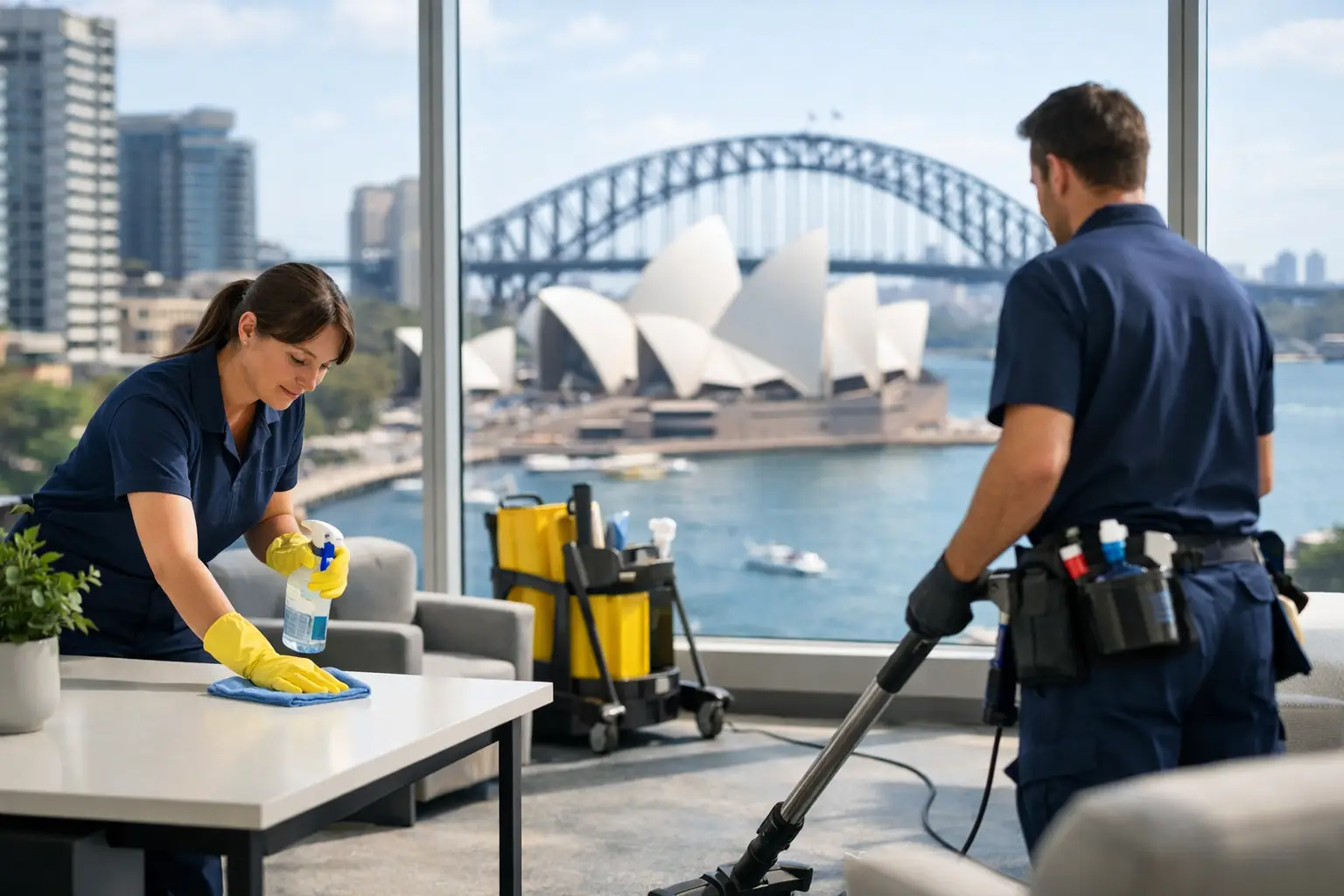
Commercial environments are seeing even faster adoption. Offices want to support staff wellbeing and maintain a professional atmosphere. Schools need cleaning that aligns with health-conscious families and daily student traffic. Healthcare and aged care settings require a far more controlled approach, where environmental considerations must sit alongside strict hygiene protocols.
Across these sectors, one pattern is clear: clients are not just buying a clean space. They are buying confidence in how that result is achieved.
What to watch before choosing a green cleaning provider
A greener service should still be accountable. Ask how the team handles surface compatibility, chemical storage, dilution and quality checks. Ask whether the scope can be adjusted for high-risk areas. Ask what happens when specialist treatment is needed for mould, pests, heavy carpet soiling or pressure-cleaned exteriors.
It also helps to look for providers who understand that service reliability is part of sustainability. Missed visits, inconsistent standards and poor communication create more disruption, more rework and more waste. A well-managed cleaning plan is usually better for the environment because it is better organised from the outset.
For Sydney clients managing homes, rentals or operational sites, this is where a trusted provider can make a real difference. Goldenshine Facility, for example, reflects the direction the market is moving in: customised service plans, transparent quoting and professional cleaning standards that support both presentation and responsible practice.
Green cleaning trends are raising the standard
The most significant shift is not that cleaning has become softer. It is that clients expect it to be smarter. They want methods that respect people, surfaces and the broader environment while still delivering the level of hygiene a home or workplace requires.
That is a positive change for everyone involved. When cleaning is planned with more care, spaces stay healthier, operations run more smoothly and results feel better long after the team has packed up. If you are reviewing your current cleaning setup, now is a good time to ask not just whether it looks clean, but whether it is being cleaned in a way that genuinely fits the space.