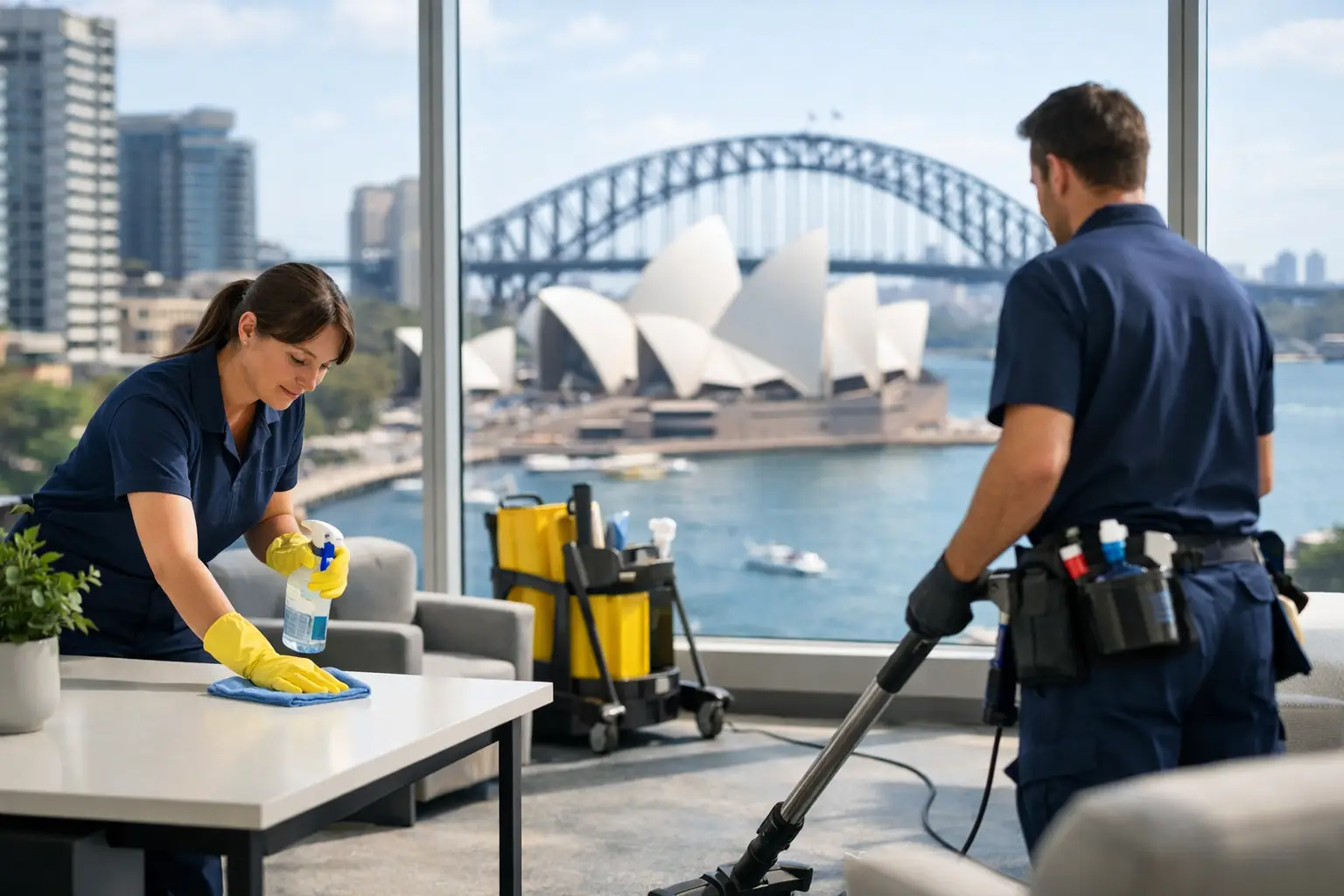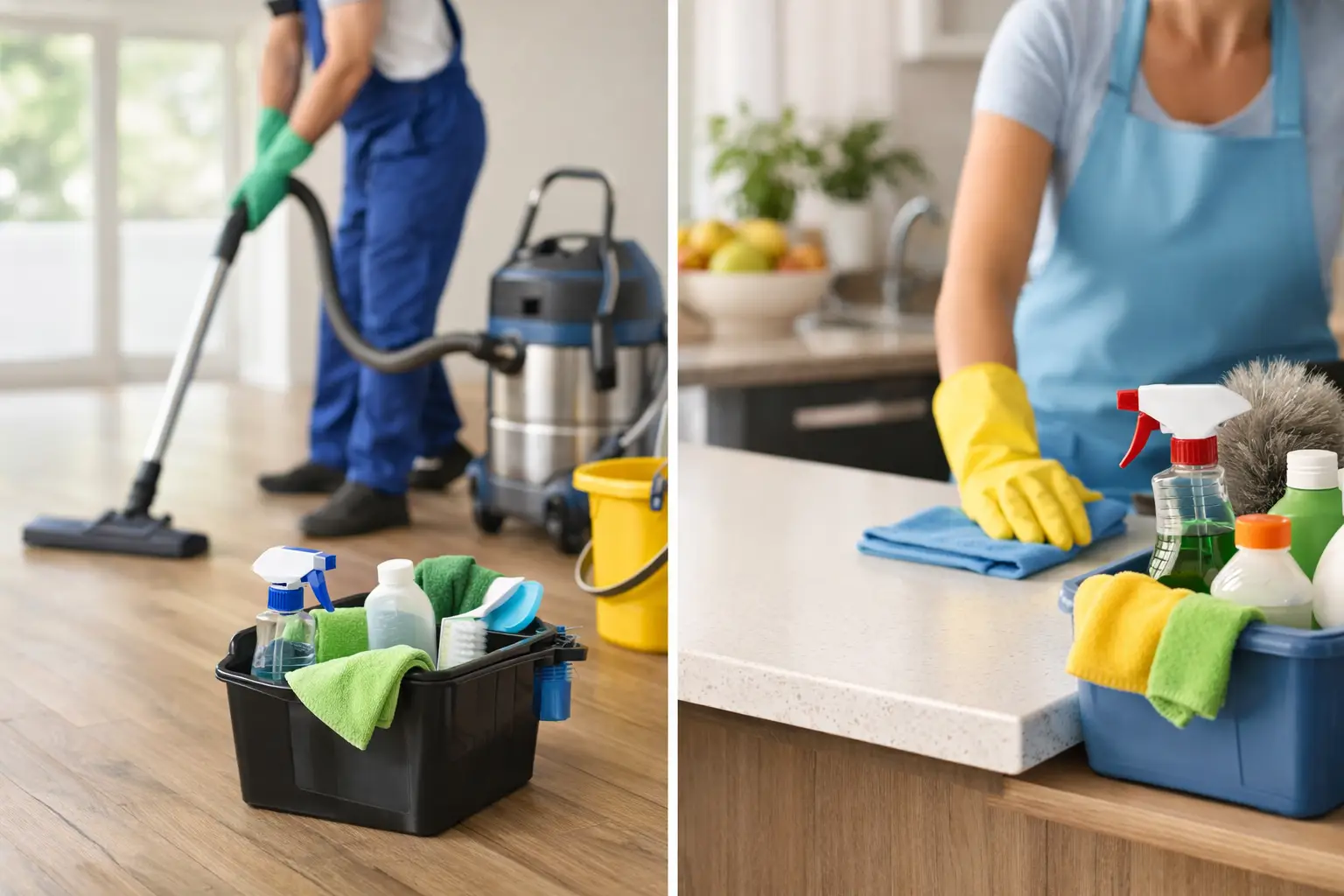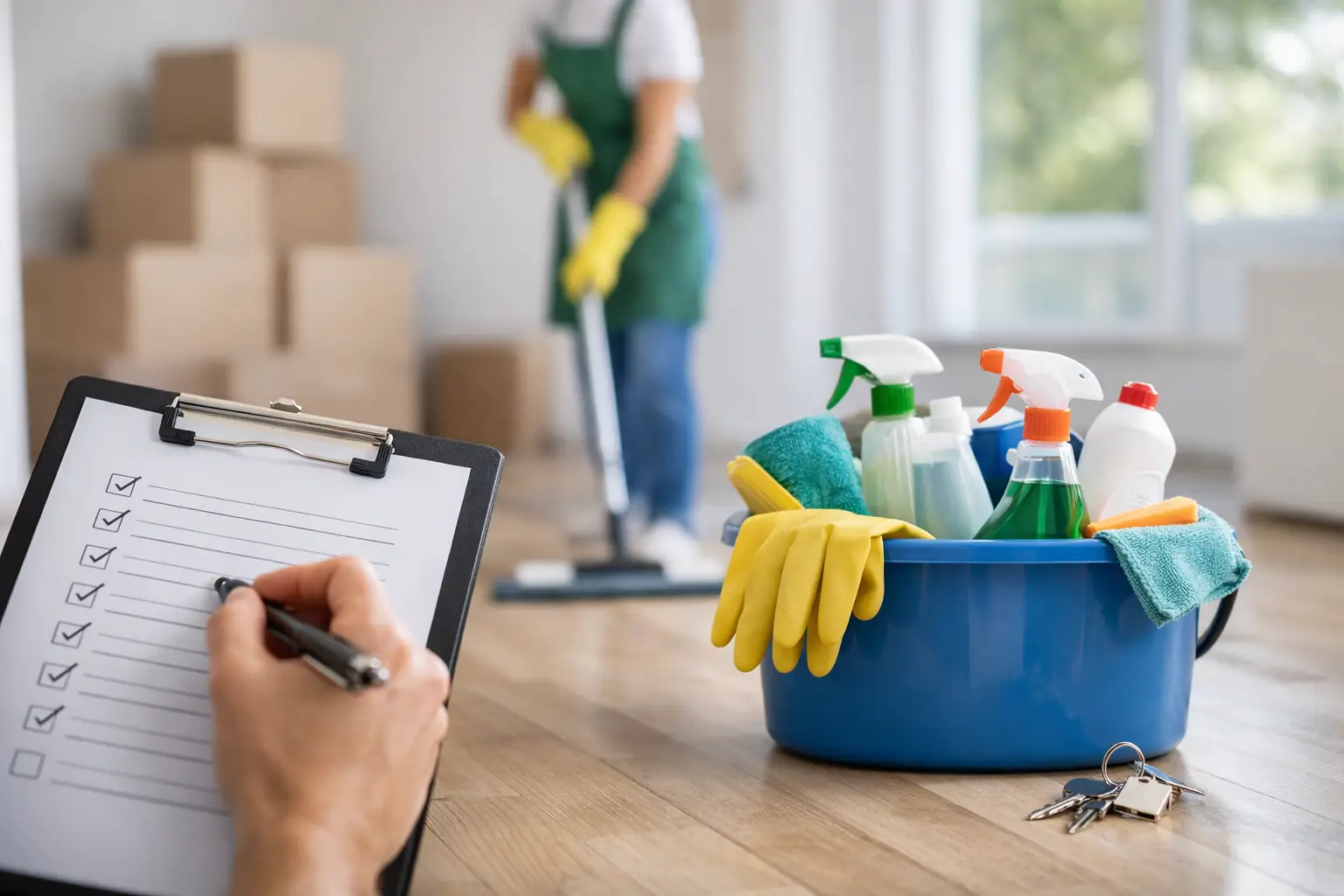




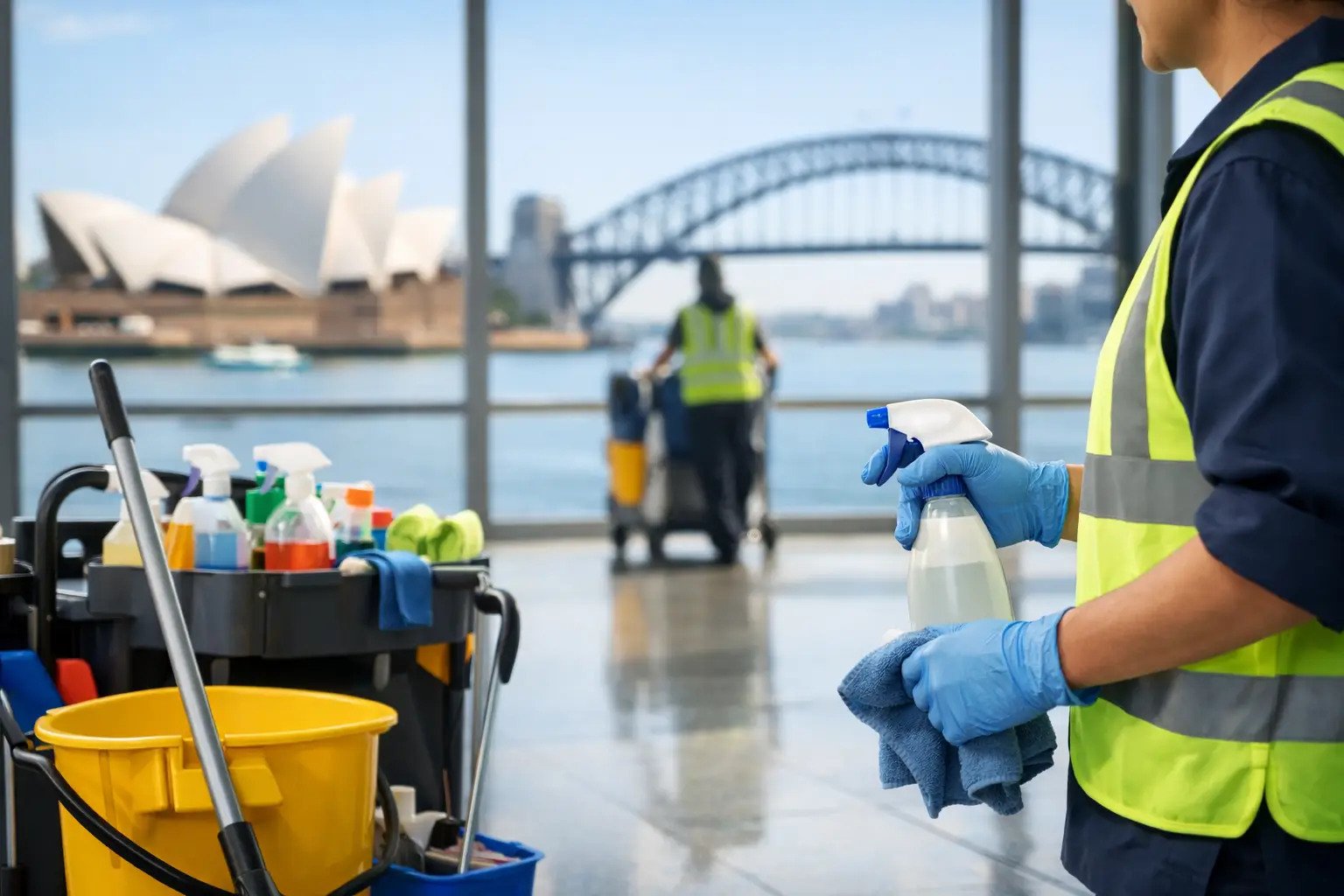

A smudged glass entry or overflowing bin is easy to spot. What often causes bigger problems is what sits just below the surface – high-touch points, poorly managed amenities, shared kitchens and washrooms that look acceptable at a glance but do not meet the hygiene standard your staff, visitors and customers expect. A practical commercial sanitation guide helps businesses move past surface-level cleaning and build a system that protects health, presentation and day-to-day operations.
For Sydney businesses, sanitation is not a one-size-fits-all task. An office floor, a medical setting, a school campus and a retail tenancy all have different traffic patterns, risk points and compliance pressures. The right approach starts with understanding what sanitation actually covers, where the highest risks sit in your facility, and how often each area needs professional attention.
What a commercial sanitation guide should cover
Cleaning and sanitation are related, but they are not identical. Cleaning removes visible dirt, dust and residue. Sanitation reduces germs and contamination risks on surfaces and in shared spaces. In a commercial setting, you need both. A workplace can look tidy and still fall short on hygiene.
A useful commercial sanitation guide should focus on method, frequency, accountability and site-specific risk. That means identifying which areas need routine cleaning, which require disinfection, what products are appropriate for each surface, and how the work is checked. It should also account for your operating hours, staff movements, visitor numbers and the practical realities of keeping the site functional while cleaning takes place.
This is where many businesses get caught out. They rely on a basic after-hours clean and assume sanitation is covered. In practice, sanitising touchpoints once a night may not be enough for a busy reception area, a school washroom or a medical waiting room. The standard has to match the environment.
Start with a site risk assessment
Before setting a cleaning roster, assess how the building is used. The best sanitation plans are built around risk rather than guesswork. An open-plan office with desk sharing, meeting rooms and a communal kitchen has different needs from a warehouse with low customer traffic but high dust exposure. A childcare or healthcare setting carries another level of sensitivity altogether.
Begin by separating your site into zones. High-risk zones usually include toilets, kitchens, lunchrooms, reception counters, door handles, lift buttons, shared desks and break areas. Medium-risk zones might include boardrooms, corridors and staff amenities with lighter use. Lower-risk areas can include storage spaces or rooms with limited access.
Once these zones are mapped, frequency becomes easier to set. Some areas may need multiple touchpoint cleans during the day, while others can be serviced thoroughly after hours. This is also the point where a tailored cleaning plan becomes more valuable than a fixed package. Facilities rarely operate on the same rhythm every day, so flexibility matters.
High-touch surfaces deserve more attention
If there is one part of any sanitation plan that should never be treated as an afterthought, it is touchpoints. Staff and visitors constantly transfer oils, bacteria and general grime between hands and surfaces. Door hardware, taps, flush buttons, kitchen appliance handles, EFTPOS machines, shared tablets and photocopier controls all become contamination hotspots.
These surfaces need a methodical cleaning routine using the right products and contact times. Spraying and wiping too quickly may leave a surface looking fresh without properly reducing contaminants. On the other hand, overusing harsh chemicals on delicate finishes can create damage and shorten the life of fixtures. It depends on the material, the level of use and the environment.
For many commercial clients, the practical solution is a mixed schedule: detailed after-hours cleaning backed by targeted daytime sanitation of touchpoints and amenities. That approach supports hygiene without disrupting workflow.
Washrooms and kitchens set the standard
People judge a workplace quickly by its washrooms and staff kitchen. If those areas are not consistently clean and sanitised, confidence in the rest of the site drops with them. More importantly, they are the areas most likely to contribute to odours, cross-contamination and complaints if standards slip.
Washrooms need more than a quick mop and bin empty. Toilets, urinals, basins, partitions, taps, dispensers and floors all need structured sanitation. Consumables such as soap, paper products and sanitary bins should also be monitored, because a washroom cannot function hygienically if supplies run out halfway through the day.
Commercial kitchens and lunchrooms bring their own risks. Benchtops, sink areas, fridge handles, microwaves, cupboard pulls and shared tables need regular sanitising, while grease build-up and food residue require deeper cleaning to prevent smells and pest activity. In busy environments, these spaces often need attention far more often than management initially expects.
Frequency depends on traffic, not assumptions
One of the most common mistakes in commercial cleaning is choosing frequency based on budget alone. Cost matters, but under-servicing a site usually creates bigger expense later through complaints, emergency cleans, staff dissatisfaction, damage to finishes or avoidable hygiene incidents.
A small office with stable staff numbers may only need a standard evening clean with periodic deep cleaning. A customer-facing site with heavy foot traffic may need morning presentation work, daytime touchpoint sanitation and an after-hours reset. Schools, healthcare environments and shared facilities often require staged cleaning across the day.
Seasonality also plays a part. During flu season, wet weather or periods of high occupancy, sanitation standards may need to increase. If your site hosts events, inspections or peak trading periods, the cleaning plan should be able to scale up without confusion.
Products, equipment and training matter
The result you get is only as reliable as the process behind it. Professional sanitation depends on using suitable products for each environment, maintaining equipment properly and ensuring staff understand correct application. This sounds straightforward, yet it is where many inconsistent outcomes begin.
For example, using the wrong chemical on a porous surface can reduce effectiveness or cause damage. Reusing contaminated cloths between washrooms and kitchens can spread bacteria instead of removing it. Inadequate dilution, poor dwell time and rushed handling all compromise results. Quality control is not just a management extra – it is part of sanitation itself.
Eco-conscious products can also be a strong option, particularly for offices, schools and family-oriented environments, but they still need to meet hygiene requirements for the task at hand. The right balance is safety, performance and suitability for the site.
Why documentation and accountability help
A sanitation plan works better when responsibilities are clear. Whether your business uses an internal team or an external provider, there should be a documented scope, schedule and quality process. That protects consistency, especially across larger sites or multi-shift operations.
Clear documentation should outline what gets cleaned, how often, and which tasks are periodic rather than daily. It should also leave room for responsive work. Spills, sickness incidents, weather-related mess and unexpected traffic spikes are part of normal operations. Your cleaning plan needs enough structure to stay reliable and enough flexibility to adapt when the day changes.
For property managers and business operators, transparency matters just as much as the cleaning itself. You should be able to see what is included, understand how standards are maintained and know who to contact when a site needs extra attention.
Choosing the right commercial sanitation guide for your facility
If you are reviewing your current cleaning arrangement, look beyond price and ask practical questions. Does the plan reflect your site layout and risk areas? Are touchpoints and amenities treated as priorities? Is there a process for deep cleaning, consumables, rubbish management and urgent response work? Are staff trained, insured and supervised properly?
A dependable provider will not push a generic package where a tailored schedule is needed. They will ask how your facility operates, when traffic is highest, which areas create the most concern and what standard you want visitors and staff to experience every day. That is often the difference between a cleaner site and a genuinely well-managed one.
For Sydney operators managing offices, schools, medical facilities or mixed-use sites, sanitation should support both presentation and confidence. It should help your workplace feel cared for, safe and ready for business, not patched together from last-minute fixes. Goldenshine Facility works with clients who need exactly that kind of consistency – customised service, transparent communication and hygiene standards that hold up under real daily use.
The strongest sanitation plans are not always the most complicated. They are the ones built around the way your site actually runs, checked properly, and adjusted before small issues turn into bigger ones.