




A carpet can look fine on Monday and start holding odours, dust and stains by Friday, especially in a busy Sydney home or workplace. If you are asking when should carpets be steam cleaned, the short answer is this: before visible wear turns into lasting damage, and before hidden build-up starts affecting hygiene, presentation and indoor air quality.
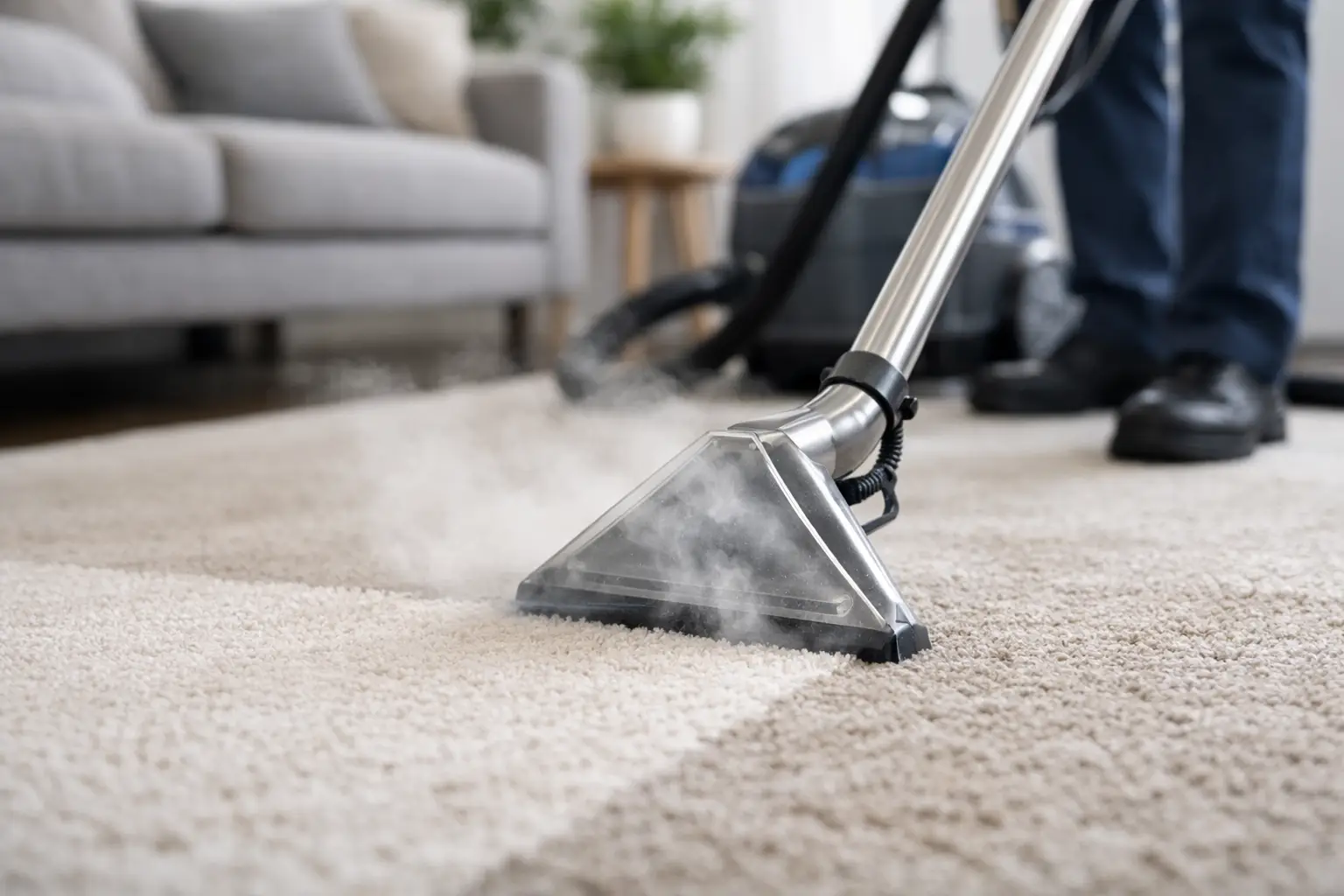
Steam cleaning is not just a cosmetic service. Done at the right time, it helps lift embedded soil, reduce allergens, improve freshness and extend the life of the carpet fibres. Leave it too long, and dirt settles deeper into the pile, stains become harder to remove, and the carpet can start to look tired even after a standard vacuum.
When should carpets be steam cleaned in most homes?
For an average household, professional carpet steam cleaning every 6 to 12 months is a sensible benchmark. That range suits many homes across Sydney, but it is only a starting point. The right schedule depends on how the carpet is used, who uses the space, and how quickly dust, moisture and spills build up.
A low-traffic spare room may only need steam cleaning once a year, or even a little less often if it is well maintained. A family lounge room, hallway or children’s bedroom usually needs more attention because foot traffic constantly presses soil into the fibres. In practical terms, if your carpet no longer feels as fresh as it should after vacuuming, it is often time to book a deeper clean.
Homes with pets, young children or allergy concerns should generally be cleaned more often, usually every 6 months. Pet hair, dander, muddy paw prints and the occasional accident do not always leave obvious marks straight away, but they do affect hygiene and odour over time.
The signs your carpet should be steam cleaned sooner
Waiting for a carpet to look heavily stained is rarely the best approach. By that stage, the fibres may already be holding deep-seated grime. A better method is to act when early warning signs appear.
One clear sign is a change in smell. If a room has a musty or stale odour that lingers even after airing out the space, the carpet may be trapping moisture, dust and organic matter. Another sign is flattening in high-traffic areas. When the pile looks dull or crushed, that often means soil has worked its way below the surface.
Stains are another obvious trigger, but even small spots matter. Tea, coffee, wine, food oils and tracked-in dirt can set quickly, especially in lighter carpets. If you have tried spot cleaning and the mark keeps returning, or the area now looks patchy, professional steam cleaning is usually the safest next step.
You may also notice more sneezing, irritation or dust around the room. Carpets act like filters, catching fine particles from daily life. That can be useful for a time, but once the fibres are overloaded, the carpet stops helping and starts contributing to the problem.
When should carpets be steam cleaned in rentals?
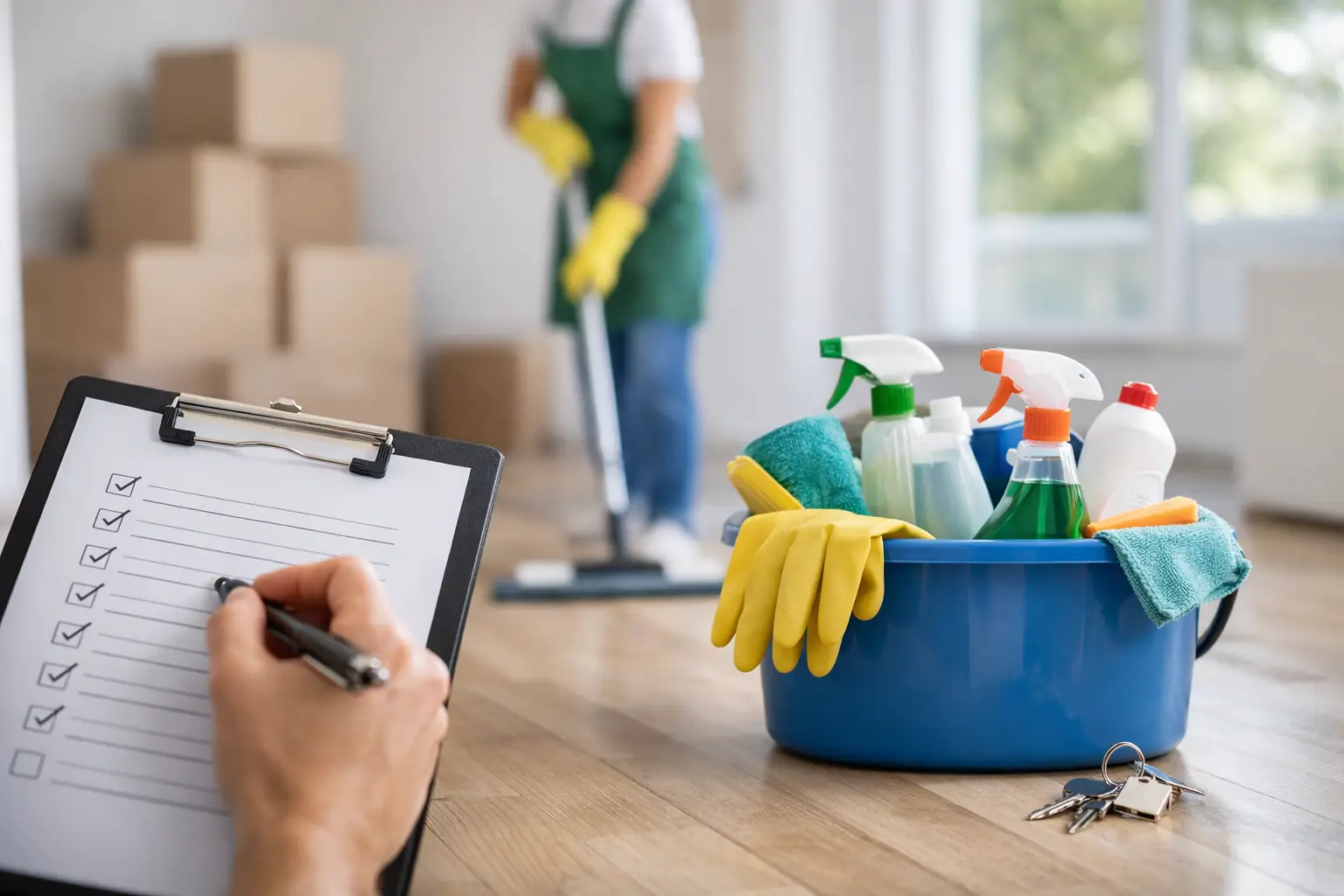
For tenants, landlords and property managers, timing matters as much as the cleaning itself. In most end of lease situations, carpets should be steam cleaned just before final inspection, especially if this is required under the tenancy agreement or if pets have been kept at the property.
This is not a service to leave until the last minute on moving day if the schedule is already tight. Carpets need enough time to be cleaned properly and to dry. Booking ahead helps avoid rushed work and gives the property the polished, hygienic finish that supports a smoother handover.
For landlords preparing a property for new tenants, steam cleaning is often worthwhile between occupancies even when the carpet does not appear heavily soiled. It lifts the overall presentation, removes odours and helps the property feel properly refreshed. In competitive rental areas, that first impression matters.
Offices and commercial spaces need a different schedule
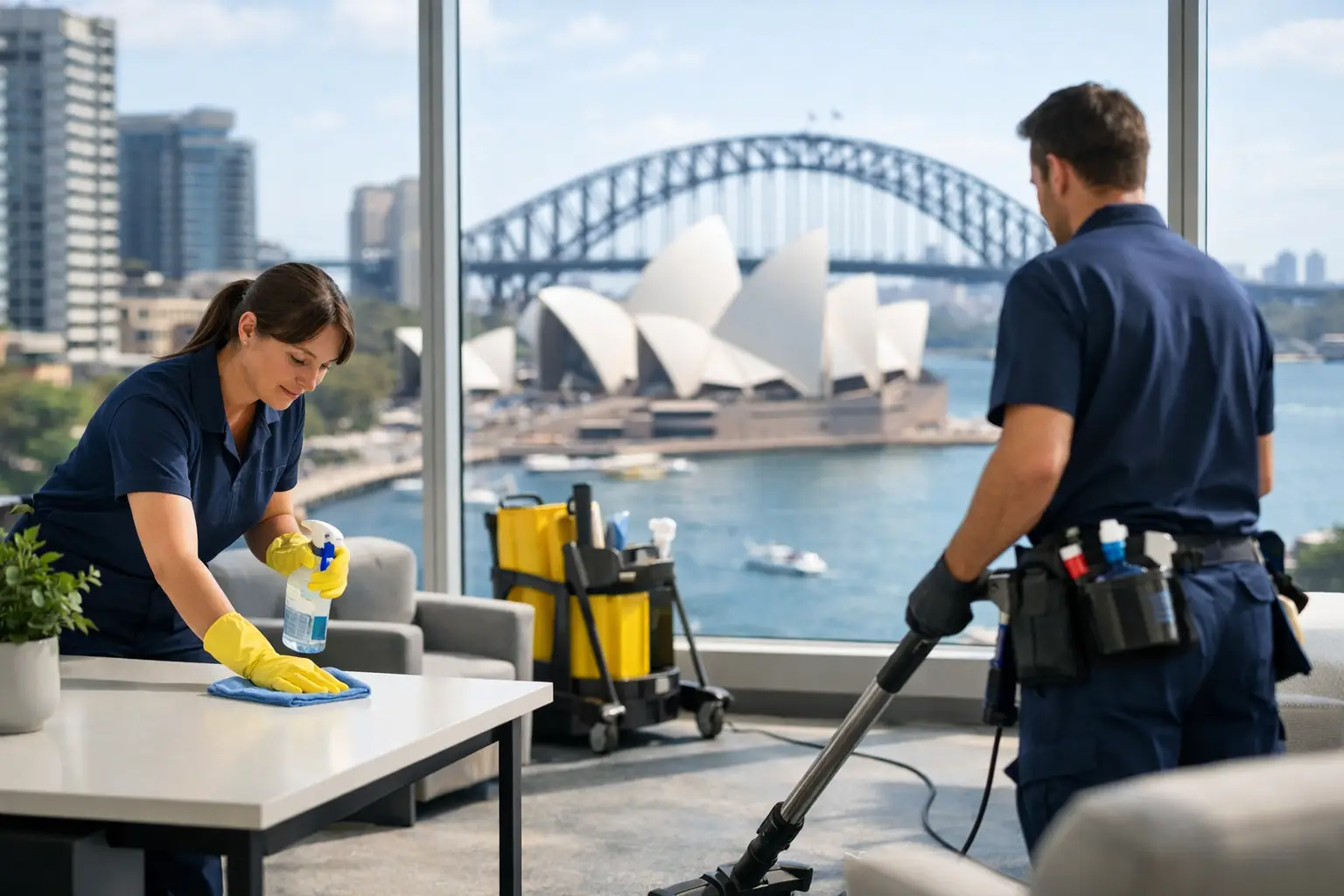
In commercial settings, the answer to when should carpets be steam cleaned is usually more frequent than many managers expect. Offices, schools, medical spaces and shared facilities carry steady foot traffic, and the carpet often absorbs dirt long before it shows obvious wear.
A standard office may benefit from steam cleaning every 3 to 6 months in reception areas, meeting rooms and walkways, while lower-use spaces may be fine on a 6 to 12 month cycle. Hospitality venues, childcare settings and high-volume commercial sites may need even more regular attention because spills, moisture and heavy use place constant pressure on the flooring.
The key issue in business environments is not appearance alone. Carpet condition affects client perception, staff comfort and hygiene standards. A clean carpet supports a more professional environment, while a neglected one can make the whole site feel older and less cared for.
Seasonal timing matters, but usage matters more
Many people ask whether there is a best time of year to steam clean carpets. In Sydney, steam cleaning can be done year-round, but milder weather often helps with drying times. Spring and autumn are popular because there is enough airflow and moderate warmth to support a quicker turnaround.
That said, the season should not outweigh the condition of the carpet. If there has been a spill, pet issue, water intrusion or a period of heavy use, it is better to clean promptly rather than wait for the so-called ideal month. Delaying professional treatment can allow stains and odours to settle further into the underlay and fibres.
How often is too often?
Professional steam cleaning is highly effective, but it should still be done appropriately. Cleaning too rarely allows build-up to harden into the carpet. Cleaning too often without a clear reason can be unnecessary, particularly in very low-traffic areas.
The goal is not to clean on a fixed calendar no matter what. It is to match the service to the real conditions in the property. A tailored cleaning plan is often the best approach, especially for larger homes, mixed-use sites or businesses with different traffic zones.
This is where professional assessment adds value. Different carpet materials, pile types and site conditions respond differently to moisture, heat and extraction methods. Wool, synthetic blends and commercial carpet tiles do not all behave the same way, so timing and treatment should reflect that.
Between cleans, maintenance makes a real difference
Steam cleaning works best as part of a broader care routine, not as a rescue job after months of neglect. Regular vacuuming, prompt spot treatment and managing entry dirt all help protect the carpet between professional visits.
For homes, vacuuming at least weekly is a solid baseline, with more frequent passes in hallways and living areas. For workplaces, the frequency should reflect the traffic level and the type of activity in the space. Mats at entrances, quick response to spills and periodic inspection of problem areas can all reduce wear.
These simple habits do not replace steam cleaning, but they do make each professional clean more effective and help the carpet stay in better condition for longer.
The best time is before the carpet looks beyond help
There is no single answer that suits every property, but there is a reliable principle: carpets should be steam cleaned before soil, odour and staining become normal parts of the room. For many households that means every 6 to 12 months. For rentals, it is typically at the end of a lease. For commercial premises, it may be every few months depending on traffic and hygiene demands.
If you are unsure, look at how the carpet performs, not just how it photographs. Does the room smell fresh? Does the pile still have life in it? Are marks lifting easily, or settling in? Those are the signs that matter.
A professionally cleaned carpet does more than improve appearance. It helps protect your flooring investment, supports a healthier indoor environment and elevates the overall standard of the space. If the carpet has started to feel dull, stale or harder to maintain, that is usually your cue to act – not later, but while the results will still make a visible difference.