




A carpet can look fine at a glance and still be holding onto dust, allergens, spills and odours deep in the pile. That is why understanding the best carpet cleaning methods matters – not just for appearance, but for hygiene, indoor air quality and how long your carpet lasts.
For Sydney homes, rentals and commercial spaces, there is no single method that suits every carpet or every mess. The right approach depends on the fibre, the level of soiling, how quickly the area needs to be back in use, and whether you are dealing with routine maintenance, pet accidents, end of lease standards or high foot traffic in a workplace.
What makes a carpet cleaning method the right one?
The best results come from matching the cleaning method to the job. A lightly soiled bedroom carpet does not need the same treatment as a reception area that sees daily traffic, and a wool carpet should not be handled the same way as a durable synthetic blend.
A good method should remove soil effectively, protect the carpet fibres, dry in a practical timeframe and support a healthier indoor environment. Cost matters too, but cheapest is not always best. A lower-cost clean that leaves moisture behind or fails to lift embedded soil can shorten carpet life and create bigger problems later.
Best carpet cleaning methods for different situations
Steam cleaning for deep hygiene and soil removal
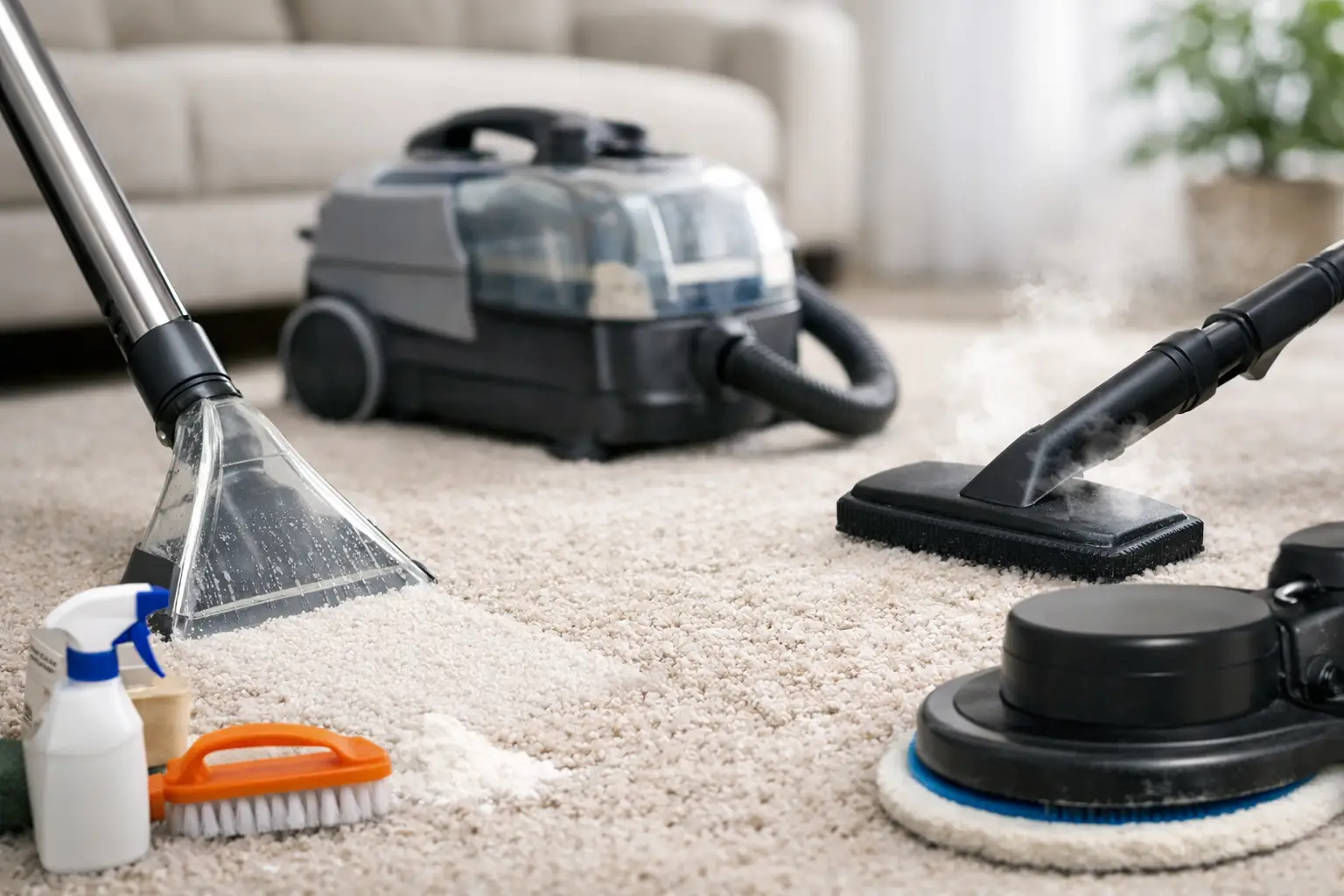
Steam cleaning, also known as hot water extraction, is widely regarded as one of the best carpet cleaning methods when you want a thorough result. Despite the name, the process uses hot water and cleaning solution injected into the carpet, then extracted with powerful equipment to remove dirt, bacteria, allergens and residue.
This method is especially effective for family homes, end of lease cleaning, properties with pets, and commercial areas where carpets collect heavy grime over time. It reaches deep into the fibres, which makes it a strong option when surface cleaning is no longer enough.
The main trade-off is drying time. Depending on ventilation, weather and carpet thickness, it may take several hours to dry fully. That is usually manageable in homes and planned commercial cleans, but it may not suit spaces that need immediate use.
Dry carpet cleaning for faster turnaround
Dry carpet cleaning uses minimal moisture and is designed for quicker drying. Different systems fall under this label, including absorbent compounds and low-moisture machine cleaning. In most cases, the product is worked through the carpet to attract soil, then removed by vacuuming.
This can be a practical choice for offices, shared spaces and businesses that cannot afford long downtime. It is also useful for maintenance cleaning between deeper restorative cleans.
The compromise is depth. Dry cleaning can improve appearance and refresh the carpet well, but for heavy staining, pet odours or built-up grime, it may not deliver the same deep-clean outcome as hot water extraction. It works best when carpets are cleaned regularly rather than left until they are heavily soiled.
Encapsulation for commercial maintenance
Encapsulation is commonly used in commercial carpet care. A specialised cleaning solution surrounds soil particles, which then crystallise as the carpet dries. Those crystals are later removed by vacuuming.
This method is popular in offices and facilities because it dries quickly and helps maintain presentation in high-use areas. It is a smart option when appearance and operational continuity are the priorities.
Still, encapsulation is generally better for ongoing maintenance than rescue work. If a carpet has deep staining, greasy build-up or odour issues, a more intensive method may be needed first.
Shampooing for heavily soiled carpets – with caution
Carpet shampooing was once a go-to option and still has a place in some situations. It uses detergent and agitation to loosen dirt. For very soiled carpets, it can create visible improvement.
The issue is residue. If shampoo is not fully extracted, it can attract more dirt after cleaning, leaving the carpet looking dull again sooner than expected. For that reason, shampooing is not always the first choice in modern professional cleaning unless it is paired with proper extraction and used for the right carpet type.
Spot treatment for stains, not full carpet care
Spot cleaning has value, but only when used correctly. It is designed for isolated spills such as coffee, wine or muddy footprints rather than whole-of-carpet cleaning.
Quick action makes a big difference. Blotting instead of rubbing, using the right treatment for the stain type, and avoiding over-wetting can prevent a small accident from turning into a permanent mark. That said, repeated DIY spot treatments can create patchy results or push stains deeper if the wrong product is used.
Which method is best for homes?
In most households, steam cleaning gives the strongest all-round result. It is well suited to living rooms, hallways, bedrooms and rugs that have built up everyday soil over time. Homes with children, pets or allergy concerns usually benefit from the deeper extraction and sanitising effect.
Dry cleaning can still be a sensible option if you need a room back in use quickly or if the carpet is only lightly soiled. For regular upkeep, vacuuming and prompt stain treatment help, but they do not replace periodic professional cleaning.
If you are preparing for an inspection or moving out, appearance alone is not enough. Property managers and landlords often expect carpets to be cleaned to a professional standard, especially where staining, odour or visible traffic marks are present.
Which method is best for commercial spaces?
Commercial carpet cleaning is less about one perfect method and more about the right program. Offices, schools, medical settings and shared facilities often need a mix of approaches depending on traffic, access and hygiene requirements.
Encapsulation or low-moisture dry cleaning can be excellent for routine maintenance because they allow faster reopening of work areas. Steam cleaning is often the better choice for scheduled deep cleans, especially in entry zones, meeting rooms and heavily used walkways where soil builds up below the surface.
For facilities that need to maintain both presentation and hygiene, a customised cleaning plan usually delivers the best value. It keeps carpets looking consistent while reducing premature wear.
Carpet type changes the answer
Not all carpets respond the same way. Wool carpets need a more careful approach because they are sensitive to excessive heat, harsh chemicals and over-wetting. Synthetic fibres such as nylon and polypropylene are often more forgiving and may tolerate a wider range of cleaning methods.
Pile height matters as well. Thick plush carpets can trap more moisture and take longer to dry, while low-pile commercial carpet tiles are often better suited to low-moisture systems.
This is where professional assessment makes a real difference. Choosing the wrong method can lead to shrinkage, browning, fibre damage or recurring stains.
When DIY works and when professional cleaning is the better choice
DIY carpet cleaning can help with basic upkeep, especially if you vacuum regularly and deal with spills quickly. Hiring a machine may look cost-effective, but results vary. Household equipment often lacks the suction power to remove embedded soil and excess moisture properly.
Professional cleaning tends to deliver a more reliable result because the process is matched to the carpet, the stain type and the condition of the space. It also reduces the risk of over-wetting and detergent residue, which are common issues with DIY cleaning.
For rental properties, commercial premises and homes with persistent odours or heavy staining, professional service is usually the safer investment. It protects the carpet and saves time, which matters when you are juggling inspections, staff schedules or family routines.
How often should carpets be professionally cleaned?
It depends on use. A low-traffic home may only need professional carpet cleaning once every 12 months, while busy family homes often benefit from cleaning every 6 to 12 months. Homes with pets, young children or allergy concerns may need more frequent attention.
In commercial settings, intervals are usually shorter. Entry areas, corridors and shared spaces can require regular maintenance cleans, with deeper cleaning scheduled periodically to keep standards high and extend carpet life.
Waiting until the carpet looks obviously dirty is rarely the best approach. By that point, soil has often settled deep into the fibres and started wearing them down.
Choosing a carpet cleaning provider in Sydney
The method matters, but so does the team carrying it out. A dependable provider should assess the carpet before starting, explain what method suits the space, provide transparent pricing and work to a clear quality standard.
For homes, rentals and business premises across Sydney, that means looking for insured professionals who understand different carpet types, stain treatments and drying requirements. Goldenshine Facility approaches carpet care this way – with tailored service, clear communication and a focus on results that support both presentation and hygiene.
The best carpet cleaning methods are the ones that suit your carpet, your timeframe and the condition of the space. If you choose based on those factors rather than chasing a one-size-fits-all answer, you will get a cleaner finish, a healthier environment and more life out of the carpet underfoot.
A well-cleaned carpet does more than freshen a room. It lifts the whole space, and when done properly, you can see the difference and feel it.