



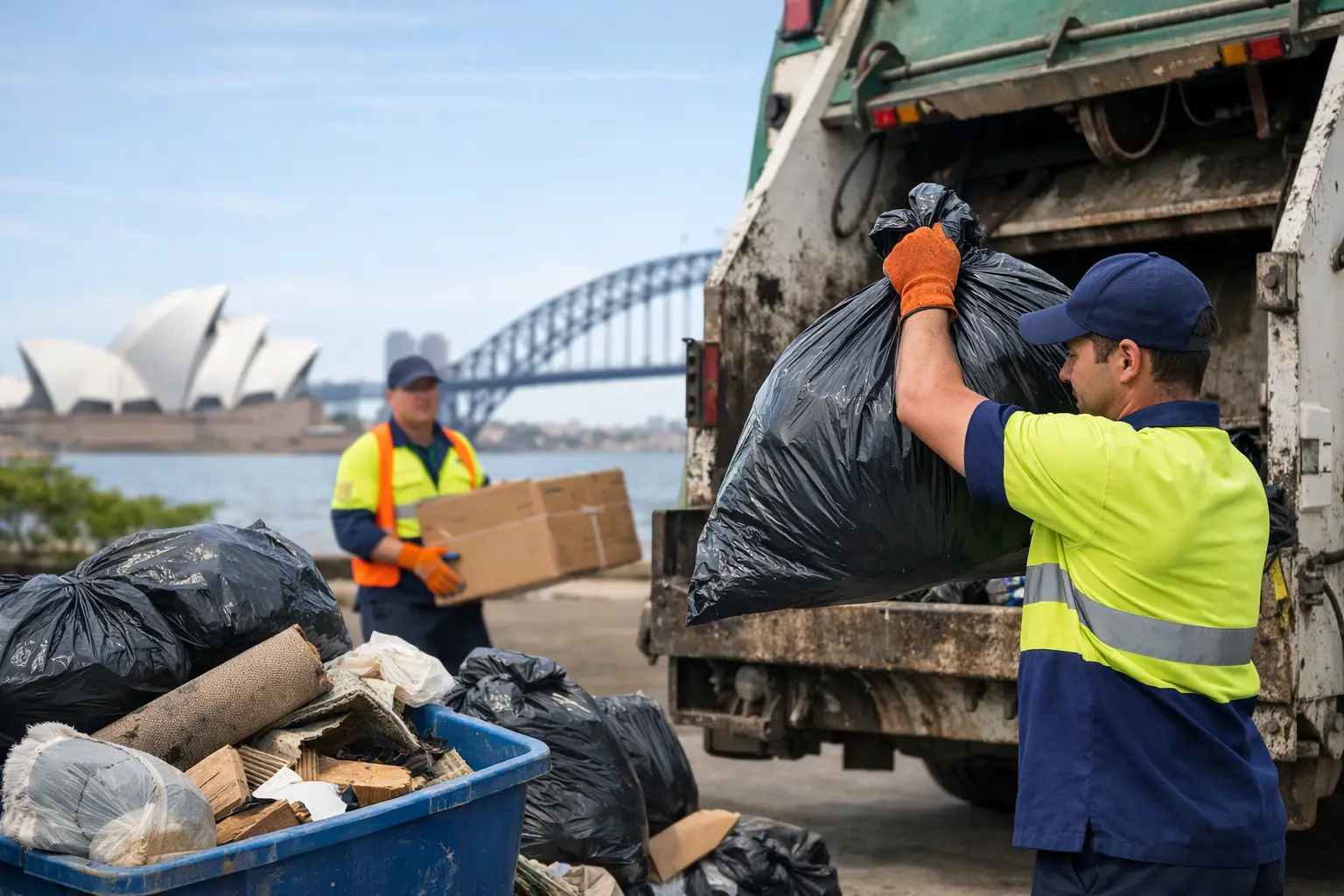

A hard rubbish pile looks manageable until it starts affecting how a property functions. One spare room becomes unusable, a retail back area turns into a safety issue, or a post-renovation site stays half-finished because debris is still sitting where people need to move. That is usually the point when rubbish removal services Sydney residents and businesses rely on stop being a convenience and start becoming the practical next step.
The right provider does more than load unwanted items into a truck. Good rubbish removal protects presentation, reduces hazards, saves time, and helps you get a home, tenancy, office, or facility back to the standard you need. In a city as busy and varied as Sydney, that matters more than many people expect.
Why rubbish removal services Sydney clients choose are about more than waste
Rubbish removal is often treated like a simple collection job, but the real value is in what happens after the waste is gone. A home feels easier to maintain. A vacated rental is closer to inspection-ready. A workplace becomes safer and more professional for staff and visitors. For schools, healthcare settings, and commercial sites, clearing waste can also support hygiene standards and smoother day-to-day operations.
There is also the question of volume and type. A few unwanted household items are one thing. Mixed waste from an office clear-out, damaged furniture after a tenancy, garden debris, renovation materials, or accumulated junk from a storage area is something else entirely. The heavier, bulkier, or more awkward the load, the more important professional handling becomes.
That is why many Sydney property owners look for a service that can assess the job properly rather than force it into a fixed package. A tailored approach tends to be more accurate, especially when access, labour, sorting, and disposal needs vary from one site to the next.
When professional rubbish removal makes the biggest difference
Some jobs are obvious. End of lease clean-outs, deceased estate clearances, post-renovation waste, and office relocations usually need experienced support. Other situations build gradually. You may have old whitegoods in the garage, broken desks in a storeroom, green waste stacked after garden work, or damaged carpet and underlay after water issues or refurbishment.
In each case, the challenge is rarely just lifting and loading. It is organising the removal around the property, avoiding damage to walls or floors, keeping common areas clear, and finishing the job on time. For landlords and property managers, timing can be especially important because delays affect tenant handover, maintenance scheduling, and presentation for the next occupant.
For businesses, there is often less room for disruption. A clean and efficient removal process helps maintain professional standards without interrupting normal operations more than necessary. That is one reason clients often prefer a provider that understands both cleaning and facility services, not just waste collection in isolation.
What to expect from reliable rubbish removal services in Sydney
A dependable service usually starts with a clear quote and a realistic scope of work. That sounds basic, but it is where many frustrations begin. If pricing is vague or based on assumptions, the final cost can change once the team arrives. A proper assessment should consider the waste type, load size, labour required, access conditions, and disposal method.
Communication matters just as much. Clients should know what will be removed, what may need separate handling, when the team will attend, and whether the site needs preparation beforehand. For apartment blocks, strata rules and lift access may need to be factored in. For commercial premises, out-of-hours work may be the better option.
Professional execution is another point worth paying attention to. Insured staff, safe lifting practices, respectful conduct on site, and proper clean-up after collection all make a difference. A rubbish removal job should leave the space more usable, not create a second task once the truck drives away.
The cost question: what actually affects the quote
People often ask for a flat rate, but rubbish removal pricing in Sydney depends on several moving parts. Volume is the obvious one, yet it is not the only factor. Weight can change disposal costs significantly, especially with materials such as concrete, soil, tiles, or dense mixed waste.
Access is another major factor. A ground-floor clear-out with parking close by is very different from removing items down multiple flights of stairs or through narrow corridors. Labour increases when large furniture needs to be dismantled or when waste is scattered across different areas rather than grouped in one spot.
The type of rubbish matters too. General household junk, green waste, office waste, and renovation debris do not always follow the same disposal pathway. Some items may require special handling or may not be accepted as part of a standard load. That is why transparent quoting is so important. It helps clients understand what they are paying for instead of guessing where the cost comes from.
Choosing between skip bins and full-service removal
For some Sydney properties, a skip bin is suitable. If you have time to load it yourself, enough space on site, and a straightforward waste stream, it can work well. It can also be practical for staged projects where rubbish builds up over several days.
But it is not always the best fit. Many homes, apartment buildings, and commercial sites do not have easy space for a bin, and not every client wants the burden of lifting heavy or awkward items. Full-service rubbish removal is usually the better option when speed, labour, access, and convenience matter more than self-managed loading.
That trade-off is worth considering carefully. A skip may look cheaper at first glance, but the value changes if your time is limited, the waste is difficult to handle, or the site must be left clean immediately. For many households and businesses, paying for a complete service ends up being the more efficient choice.
Why combined cleaning and rubbish removal can save time
Rubbish removal often sits alongside another need. A tenant may need an end of lease clean after clearing unwanted items. A business may need deep cleaning once old furniture and equipment are removed. A property owner may want mould treatment, pressure cleaning, or carpet steam cleaning after a major clear-out.
When these services are coordinated through one provider, the process is usually easier to manage. There is less back-and-forth, fewer scheduling gaps, and a clearer line of accountability for the final result. That can be particularly useful for property managers, landlords, and commercial clients working to a tight turnaround.
For a company like Goldenshine Facility, this broader service capability means rubbish removal can be handled as part of a larger site reset rather than as a disconnected job. That supports a cleaner finish and a more consistent standard across the property.
How to choose the right rubbish removal services Sydney wide
The safest choice is not always the cheapest quote. Look for a provider that can explain its process clearly, tailor the job to your site, and show a strong standard of care. Professional presentation, responsive communication, and insured staff are not extras. They are part of what makes a service dependable.
It also helps to choose a team that understands the context of your job. Residential decluttering, end of lease rubbish removal, office strip-outs, and facility waste all come with different priorities. A good provider will ask practical questions before offering a solution. If they do not need much information to quote, they may not be allowing for the details that affect the outcome.
Finally, consider whether you need more than just removal. If the next step is a detailed clean, presentation work, or preparing the property for inspection or reopening, an integrated service can save significant time and stress.
A cleaner, safer, more functional property usually starts with removing what no longer belongs there. Once the excess is gone, the next decision becomes much easier – how you want the space to work for you from here.