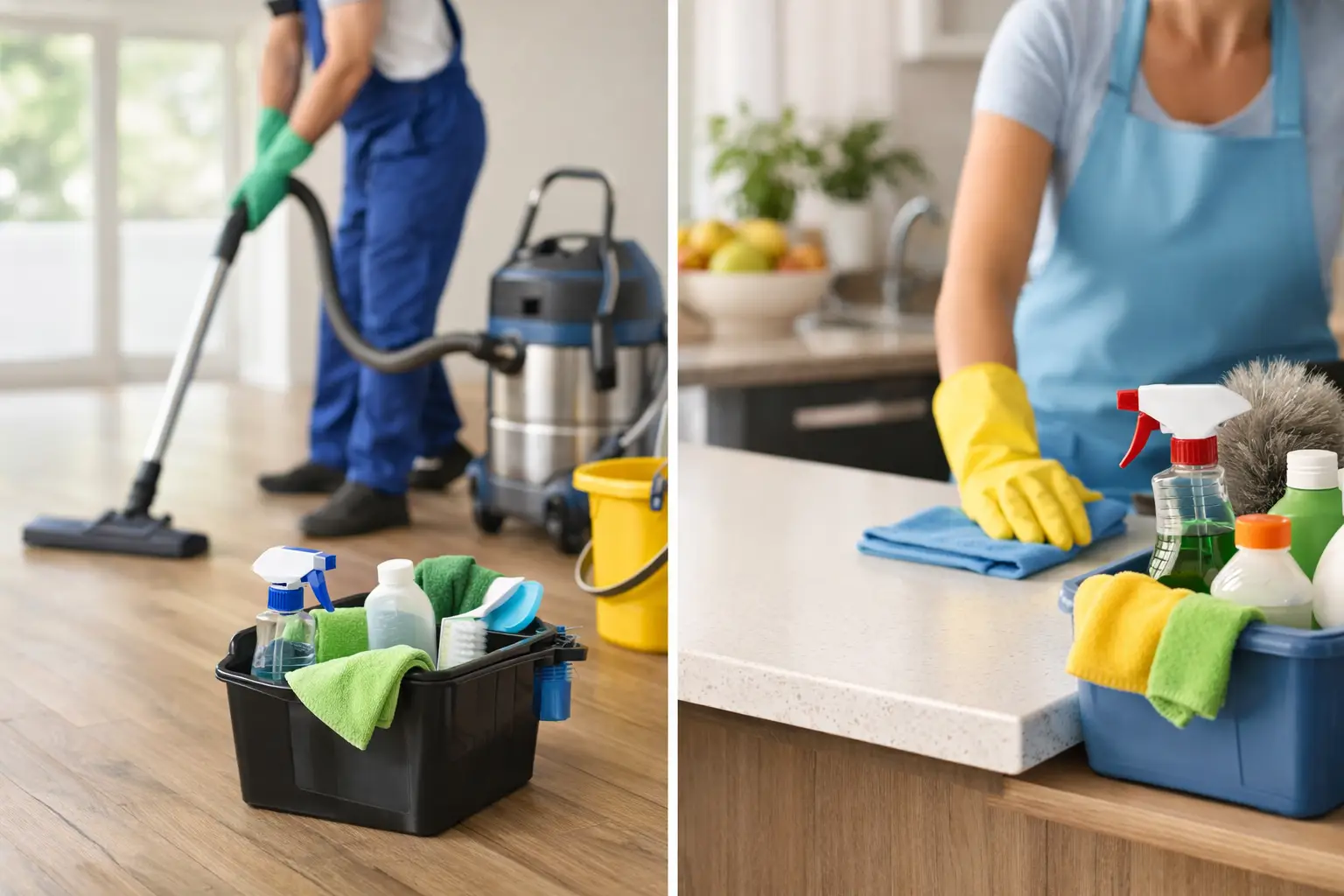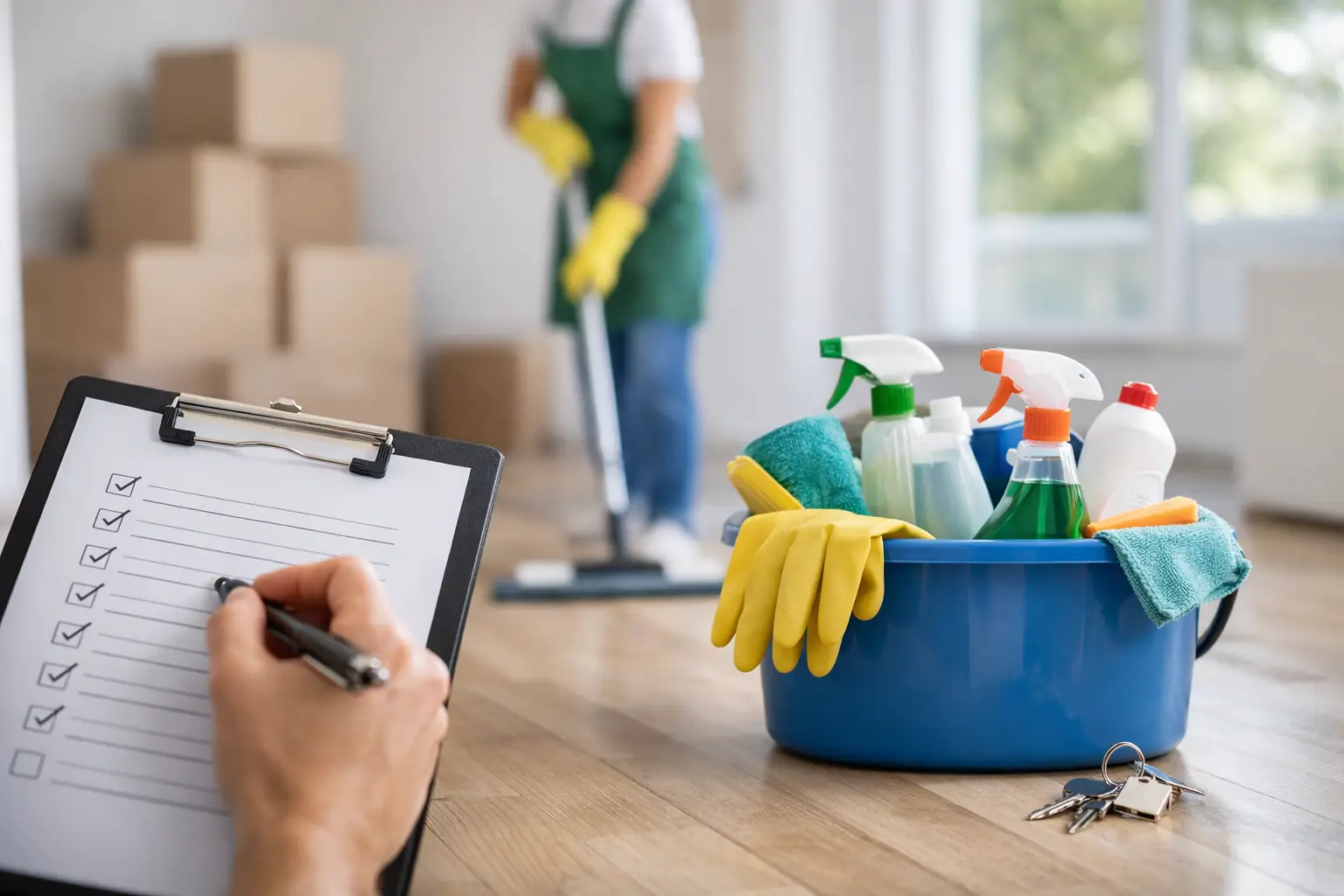




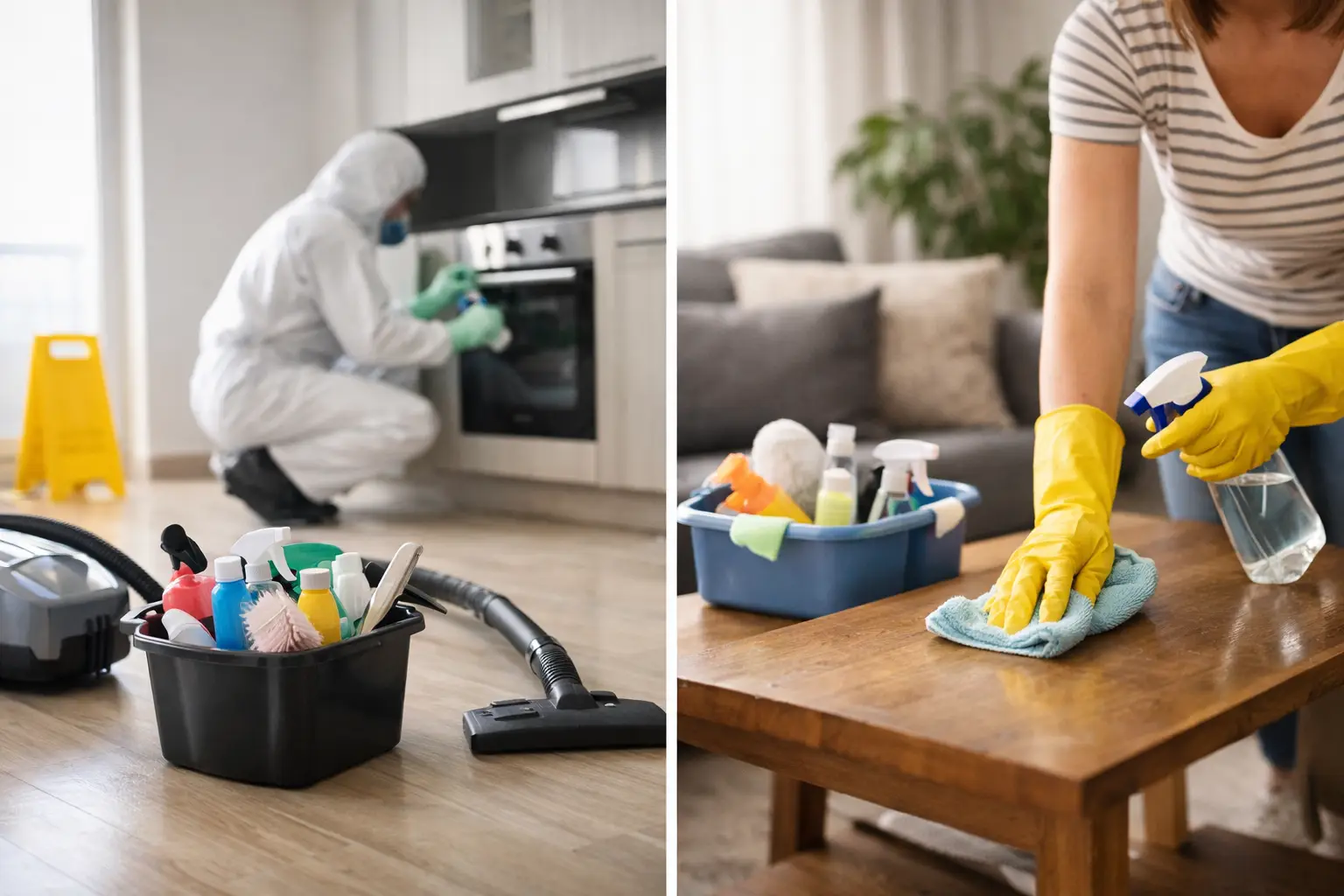

You can keep a home tidy all year and still fall short at vacate time. That is usually where the confusion starts around end lease cleaning versus regular cleaning. On the surface, both involve dusting, wiping and sanitising. In practice, they serve very different purposes, and that difference matters when a bond, final inspection and property handover are involved.
For renters, landlords and property managers across Sydney, the issue is not whether a home looks “pretty clean”. The question is whether it meets the standard expected at the end of a tenancy. Regular cleaning supports day-to-day comfort. End of lease cleaning is a detailed, inspection-level service designed to return the property in a condition that aligns with lease obligations.
What regular cleaning is meant to do
Regular cleaning is about upkeep. It keeps a home or workplace hygienic, comfortable and presentable from week to week or fortnight to fortnight. In most households, that means vacuuming, mopping, wiping kitchen benches, cleaning bathrooms, dusting visible surfaces and taking out rubbish.
It is a practical service built around maintenance rather than restoration. The aim is to manage normal living conditions before dirt, grime and clutter build up too far. For busy families, professionals and shared households, this type of cleaning saves time and helps maintain a healthier living environment without requiring a major reset each time.
A good regular clean can be thorough, but it is not usually exhaustive. Cleaners often work around furniture, focus on accessible surfaces and prioritise the spaces used most often. That makes sense for an occupied property where convenience and consistency matter more than inspection detail.
End lease cleaning versus regular cleaning: the core difference
The easiest way to understand end lease cleaning versus regular cleaning is to look at the outcome each one is trying to achieve.
Regular cleaning is designed for people still living or working in the space. End of lease cleaning is designed for the next stage of the property – handover, re-letting or sale preparation. That means the benchmark changes. Areas that are easy to overlook during routine cleaning become essential at vacate time, from skirting boards and window tracks to oven interiors, built-in cupboards and marks on walls.
This is why tenants are often surprised when a home that feels clean does not pass inspection without further work. Property managers are not assessing whether the home was pleasant to live in that week. They are checking whether it has been returned to an agreed standard, often against a condition report completed at the start of the tenancy.
Why end of lease cleaning is more detailed
An end of lease clean is far more methodical because it addresses accumulated use over the life of the tenancy, not just surface mess. Soap residue, grease, dust in hard-to-reach areas, fingerprints on doors, stains in carpets and build-up in bathrooms all become more visible when the property is empty.
Vacant properties also reveal what furniture once hid. Behind lounges, under beds, inside wardrobes and along edges that rarely see daylight, dust and debris tend to collect. During routine cleaning, these areas may be lower priority. During a vacate clean, they become part of the job.
There is also a compliance aspect. Agents and landlords commonly expect kitchens, bathrooms, floors, fittings and fixtures to be cleaned to a much higher standard than what most people maintain in day-to-day life. If carpet steam cleaning, pest control or rubbish removal is required under the lease, those services may need to be arranged as part of the final preparation.
The areas people underestimate most
The oven is one of the biggest dividing lines between routine and end of lease cleaning. In a regular service, the exterior may be wiped and the cooktop cleaned. In an end of lease clean, the oven interior, racks, trays and glass are generally expected to be thoroughly degreased and detailed.
Bathrooms are another example. A weekly clean may remove surface marks and keep things sanitary. A vacate clean often requires extra attention to grout lines, shower screens, taps, drains, exhaust fans and soap scum that has built up over time.
Windows can also catch tenants out. Routine cleaning may focus on internal glass that is easy to reach. End of lease requirements can extend to tracks, sills, frames and cobweb removal. The same applies to cupboards, blinds, light switches, doors and skirting boards. None of these tasks are glamorous, but they are exactly the things inspectors notice.
When regular cleaning is enough
There are plenty of situations where regular cleaning is the right service and paying for more would not make sense. If you are staying in the property, preparing for guests, keeping on top of a busy household or maintaining office presentation, regular cleaning is usually the practical option.
It is also the smartest way to reduce future cleaning pressure. A well-maintained property generally needs less corrective work at the end of a lease because grease, mould, dust and staining have not been left to build for months or years. In that sense, regular cleaning supports a better vacate outcome later.
Still, regular cleaning is not a shortcut for the final clean. Even in a home that has been beautifully maintained, the expectations at handover are different enough that a dedicated end of lease service is usually worthwhile.
When an end of lease clean is the better investment
If you are moving out, handing keys back or preparing a property for a new tenant, this is where professional end of lease cleaning makes commercial sense. The cost of a specialist clean is often minor compared with the risk of delays, re-clean requests or bond deductions.
Time is another factor. Moving is already full of competing tasks – packing, removals, utility changes, final inspections and paperwork. Trying to complete a full vacate clean on top of that often leads to rushed results. The final few hours before handover are rarely when people do their best detailed cleaning.
For landlords and property managers, an end of lease clean also helps bring consistency. A professionally cleaned property is easier to inspect, easier to market and more ready for incoming tenants. Presentation matters, but so does hygiene. Clean surfaces, sanitised bathrooms and well-finished floors set a better standard from the outset.
It depends on the property
Not every end of lease clean looks the same. A one-bedroom unit that has been occupied for a year is different from a family home after a long tenancy with pets, children or heavy kitchen use. Older properties may have more ingrained wear. Newly renovated spaces may require careful cleaning methods to protect finishes.
This is where fixed assumptions can cause problems. Some tenants expect a standard house clean to cover everything. Others assume every vacate clean includes carpet steam cleaning, wall washing or external windows, when those items may depend on access, lease terms and the property’s condition. Clear quoting and customised scopes matter because the right service should match the actual handover requirement.
That tailored approach is one reason professional providers are valuable. An experienced team can assess what the property needs, identify problem areas early and carry out the work in a way that supports inspection readiness rather than just general neatness.
Why professional standards make a difference
The gap between a decent clean and an inspection-ready clean often comes down to process. Professional end of lease cleaners work with checklists, quality control and a sharper understanding of what agents and landlords typically review. That structure reduces guesswork.
It also helps when the provider offers transparent quoting and a bond back guarantee for lease-related cleaning. For tenants, that adds confidence at a stressful time. For owners and managers, it creates a cleaner handover process and a better standard of presentation for the next occupant.
At Goldenshine Facility, that focus on customised plans and reliable execution is central to how vacate cleaning should be handled. No two properties are identical, and a professional service should reflect that rather than forcing every client into the same package.
Choosing the right service without overpaying
The simplest question to ask is this: are you maintaining the property for everyday living, or preparing it to be assessed and handed over? If it is the first, regular cleaning is usually enough. If it is the second, end of lease cleaning is the more suitable service.
There is no benefit in paying for a full vacate clean when you only need routine support. Equally, there is real risk in booking a regular clean when the property is about to be inspected for bond return. The smartest choice is the one that matches the purpose of the clean, the condition of the property and the standard you need to meet.
If you are unsure, think like the person receiving the keys next. A home that feels clean for daily life is not always the same as one that is ready for formal handover. That small distinction is often what protects time, presentation and peace of mind at the end of a lease.