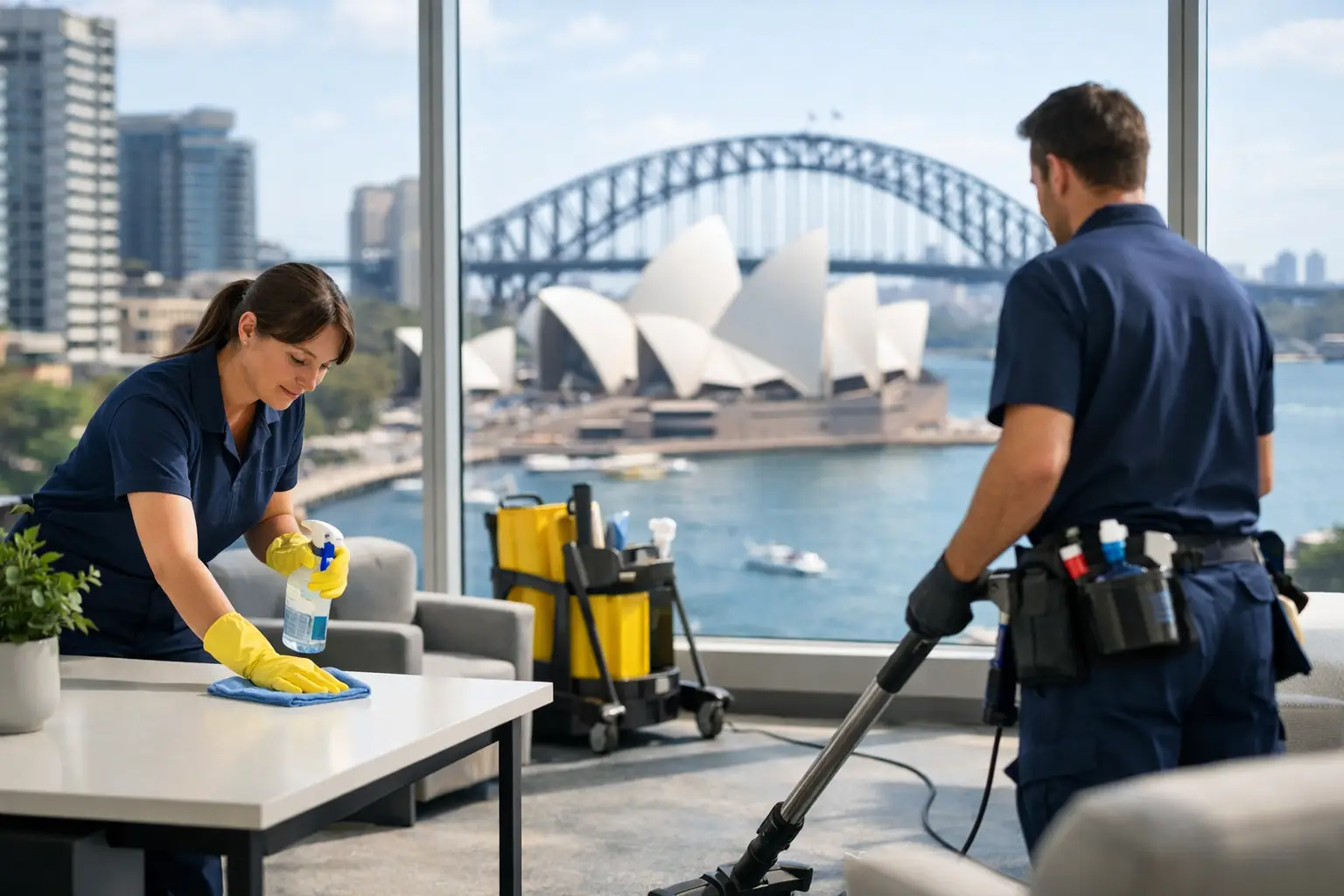




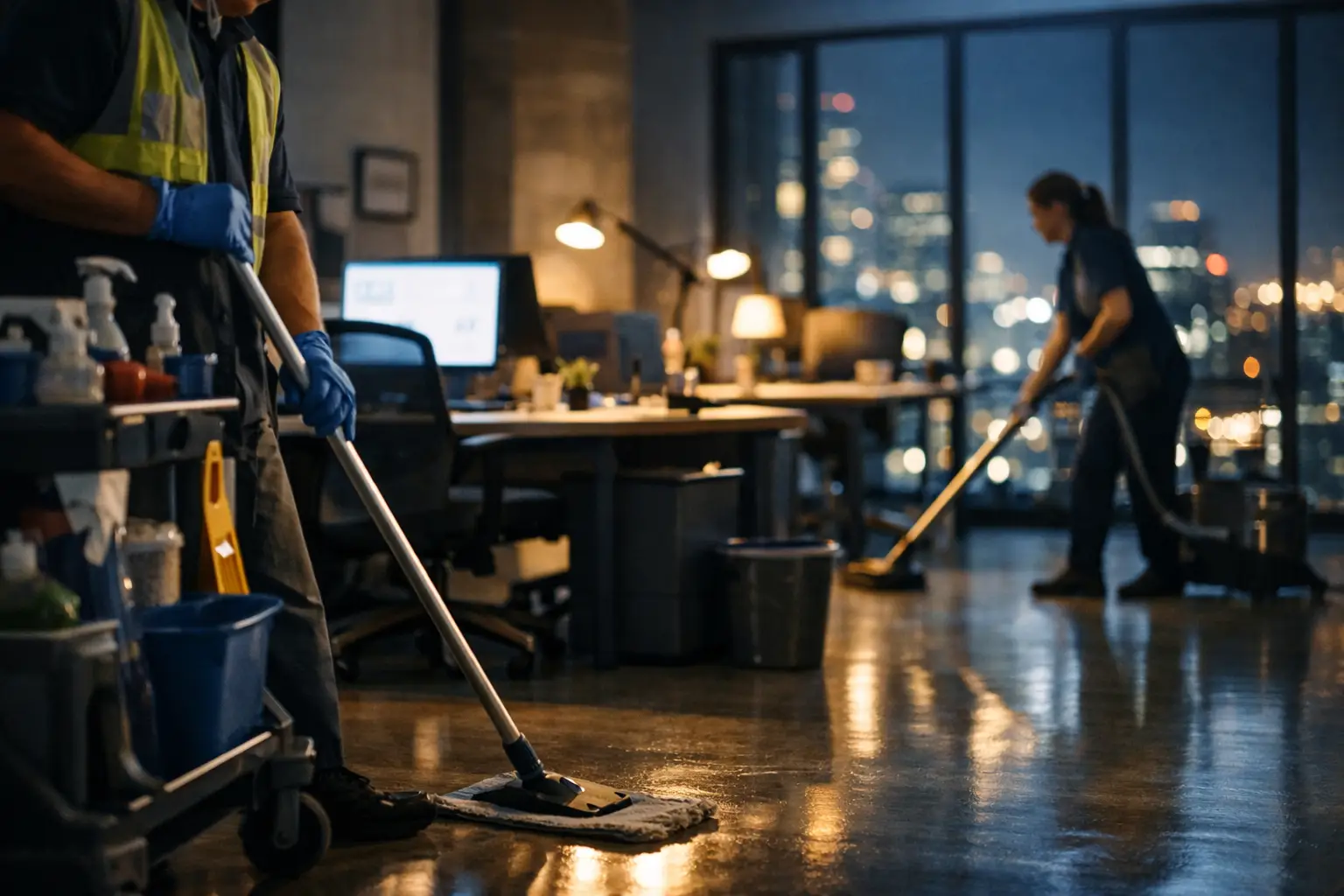

The easiest way to notice a poor cleaning schedule is not the dust on a desk. It is the distraction. Bins being emptied during calls, vacuum noise near meetings, wet floors in reception, and washrooms cleaned right as staff need them all chip away at the workday. That is why office cleaning after hours has become the preferred option for many Sydney businesses that want a polished workplace without interrupting operations.
For offices, timing matters almost as much as the cleaning itself. A well-cleaned space supports presentation, staff wellbeing and day-to-day efficiency, but the best results often come when the work is done after the last team member has headed home. Whether you manage a small suite, a multi-level corporate office or a shared commercial space, after-hours servicing gives you more control over hygiene standards while protecting productivity.
What office cleaning after hours actually improves
At a glance, after-hours cleaning sounds like a scheduling preference. In practice, it affects how your workplace runs, how your business is perceived and how consistently hygiene standards are maintained.
The most obvious benefit is reduced disruption. Cleaners can access desks, kitchens, meeting rooms and amenities properly when those areas are not in constant use. Instead of working around staff, visitors and deliveries, they can complete tasks thoroughly and in the right sequence. Floors can be cleaned without foot traffic, consumables can be restocked before the next morning, and shared touchpoints can be sanitised without people immediately using them again.
There is also a presentation advantage. When your team arrives in the morning, the office feels ready. Reception is fresh, glass is clear, bins are empty, and washrooms are stocked. That first impression matters, both for employees and for clients visiting the site. A clean office does not just look better – it signals that the business is organised, professional and attentive to detail.
Then there is hygiene. High-use spaces like kitchens, toilets, break areas and collaboration zones need more than a quick tidy. They need proper cleaning and disinfection at the right frequency. After hours, that work can be completed with fewer interruptions and stronger quality control.
Why many businesses choose office cleaning after hours
The strongest case for office cleaning after hours is operational. Your staff are paid to work, not to work around cleaning activity. Even minor interruptions can add up across a week, especially in offices where calls, presentations or focused desk work are constant.
After-hours cleaning helps maintain a more professional environment during business hours. There is no need to redirect visitors around equipment, no concern about freshly mopped entries during busy periods, and no cleaners moving through meeting spaces while conversations are underway. For businesses with front-facing teams, this matters.
Security and access can be managed more efficiently too, provided the cleaning company has clear protocols. Many offices prefer controlled access outside business hours because it limits traffic during the day and allows a set scope of work to be completed consistently. The key is using trained, insured staff and a provider with dependable supervision and communication.
That said, after-hours scheduling is not automatically the best fit for every office. Some sites with extended trading hours, rotating shifts or shared tenancy arrangements may need early morning cleans, split schedules or daytime touch-up services. The right plan depends on how the space is used, not just on what is most common.
Which tasks are best suited to after-hours cleaning
Some cleaning tasks can be done at any time. Others are far more effective once the office is empty.
Vacuuming, hard floor mopping, detailed washroom cleaning, bin servicing, kitchen deep cleaning and sanitising shared surfaces are all better handled when there is no interruption. Glass cleaning in internal offices and boardrooms also tends to produce better results after hours, because there is less risk of smudging and less pressure to rush.
Periodic works benefit as well. Carpet steam cleaning, deep cleaning of high-touch areas, pressure cleaning for external entries, and detailed dusting of skirting, vents and fittings are usually easier to schedule outside operating hours. If your office includes specialised spaces such as medical consulting rooms, education facilities or high-traffic amenities, the value of uninterrupted access is even greater.
What to look for in an after-hours office cleaning provider
Not every commercial cleaner is set up to deliver reliable after-hours service. The hours themselves are only one part of the arrangement. What matters is whether the provider can maintain standards when your team is not on site to supervise in real time.
First, look for a company that offers tailored scopes rather than one-size-fits-all packages. Offices vary widely. A law firm with enclosed rooms has different needs from an open-plan sales floor or a mixed-use professional suite. Cleaning frequency, consumables, touchpoint disinfection and washroom servicing should all reflect actual use.
Second, ask about staff training, insurance and security procedures. If cleaners are entering your premises outside business hours, trust is essential. You want certified, insured staff, clear key or alarm protocols, and a system for reporting completed work and issues found on site.
Third, transparency matters. Clear quoting, agreed inclusions and a realistic schedule prevent the common problem of mismatch between expectation and delivery. A dependable provider should be able to explain what is covered in each service, how quality checks are handled and when periodic tasks are recommended.
Finally, flexibility is worth more than it first appears. Your office may need additional cleans after events, seasonal deep cleaning, emergency spill response or adjusted schedules during holidays. A provider that can scale with your operations will save time and reduce coordination headaches later.
Common concerns about office cleaning after hours
The first concern is usually security. That is fair. Letting anyone into your premises outside standard hours requires confidence in the process. This is why businesses should work with professional cleaning teams that have documented procedures, vetted staff and reliable supervision. Trust should be built into the service, not left to assumption.
The second concern is cost. After-hours cleaning can sometimes be priced differently depending on the building, access conditions and timing. But cost should be weighed against the savings in lost productivity, reduced staff disruption and stronger cleaning outcomes. Cheaper daytime cleaning is not always better value if it interferes with your operations or leads to inconsistent standards.
Another concern is communication. If cleaning happens after everyone has gone home, how do issues get flagged quickly? The answer should be a clear reporting process. Good providers document what has been done, note maintenance or hygiene concerns, and remain responsive if your requirements change.
Creating the right schedule for your office
A good after-hours cleaning plan starts with the way your office actually functions. How many people use the space each day? Which areas carry the highest traffic? Do you have client-facing zones that must look flawless every morning? Are kitchens and washrooms under strain by the end of the day?
From there, the schedule can be built around priorities. Some offices only need standard after-hours cleaning a few times a week. Others require daily attendance, plus periodic deep cleaning to keep carpets, upholstery and hard floors in strong condition. It depends on occupancy, industry, layout and presentation expectations.
For Sydney businesses, local responsiveness also matters. You want a team that can adapt to your building requirements, access arrangements and business hours without overcomplicating the process. Goldenshine Facility approaches this through customised commercial cleaning plans, transparent quoting and professional execution designed around the site rather than a fixed package.
A cleaner office should not compete with the workday
The best cleaning service is often the one your staff barely notice, except in the results. No interruptions, no clutter, no last-minute stocking issues, and no doubt about whether the workplace will be clean tomorrow morning. Office cleaning after hours works because it respects how businesses operate while raising the standard of hygiene and presentation.
If your current arrangement feels reactive, inconsistent or disruptive, the issue may not be the effort. It may be the timing. A well-planned after-hours service gives your workplace the attention it needs when the office is quiet, so your team can return to a space that feels ready for business.