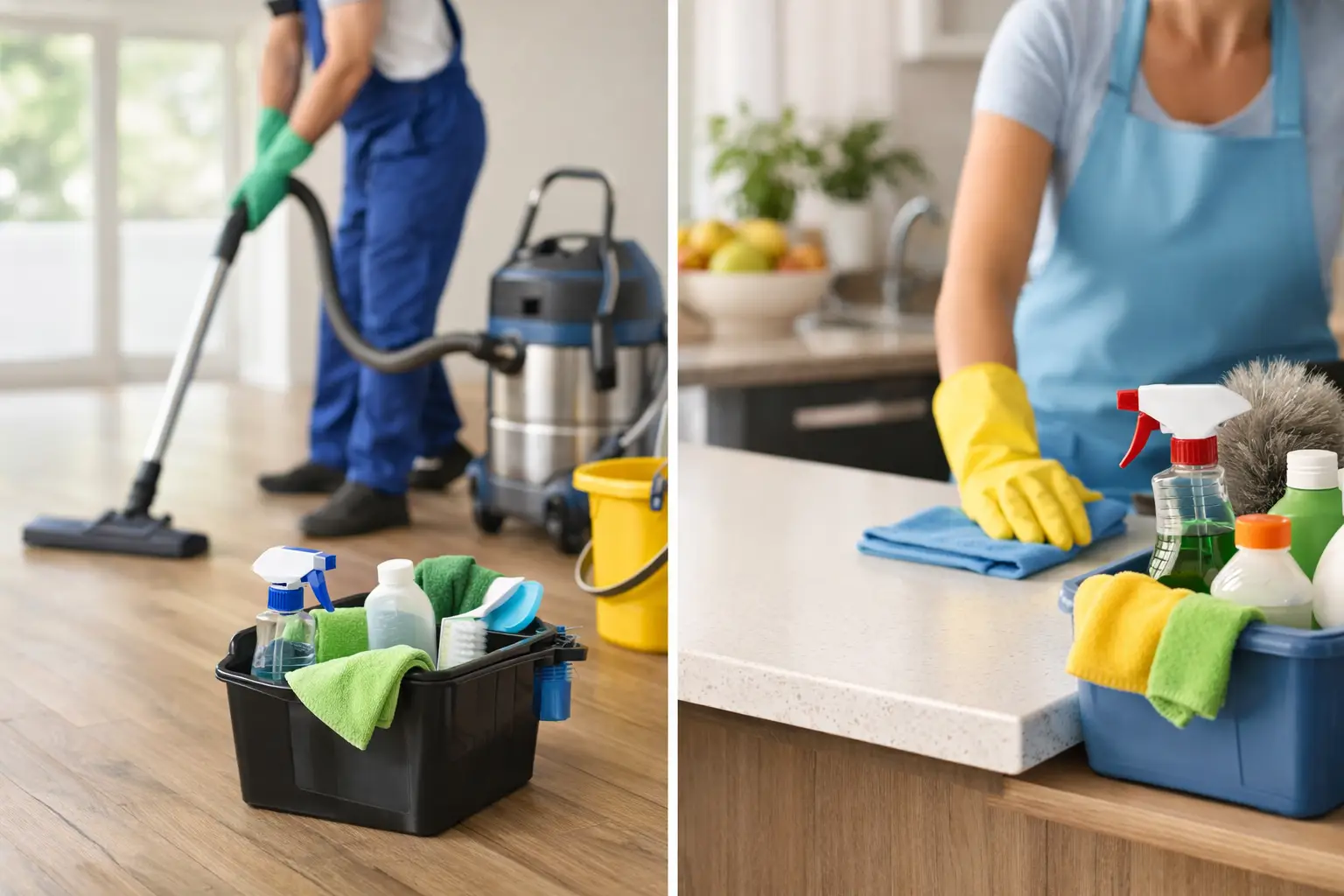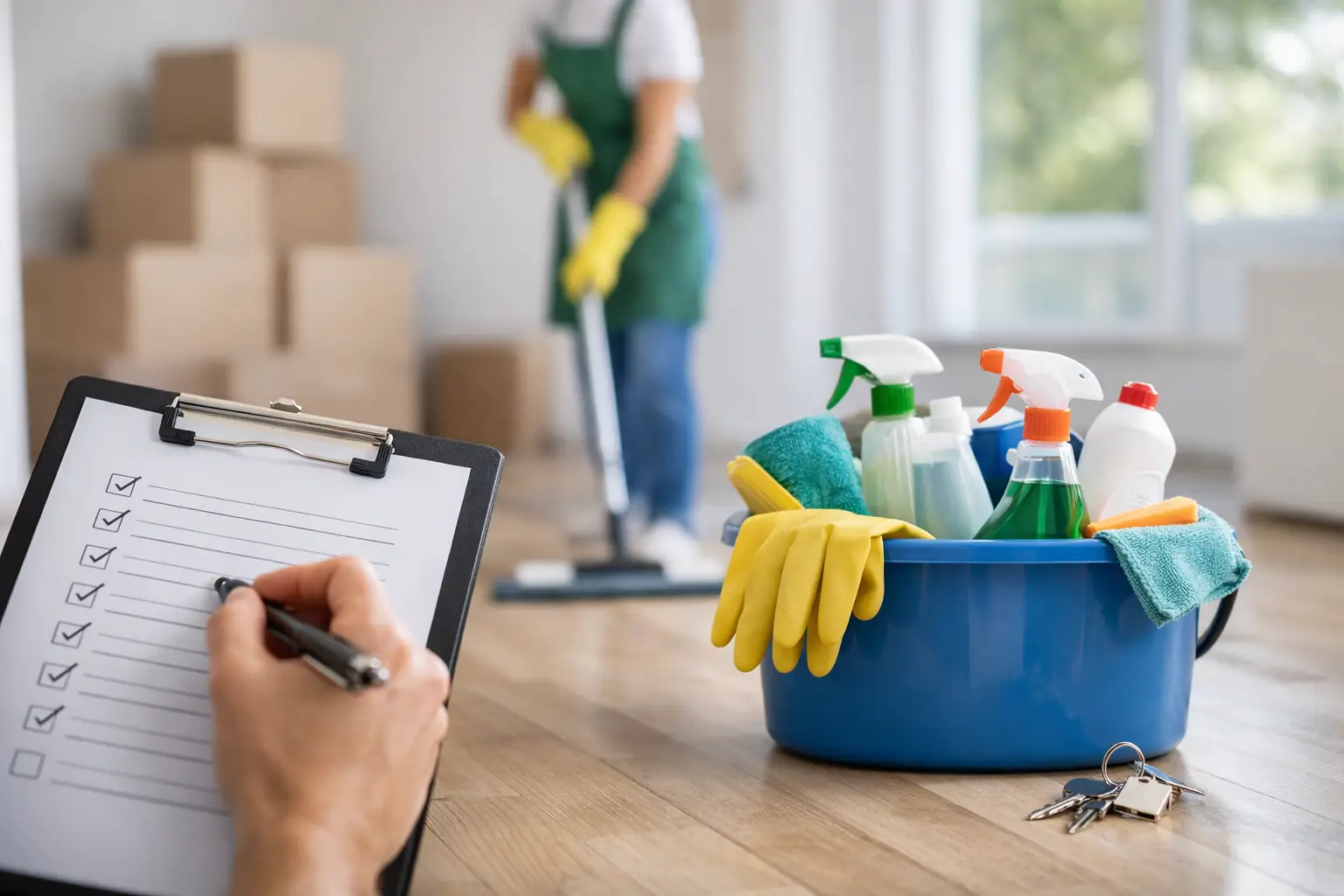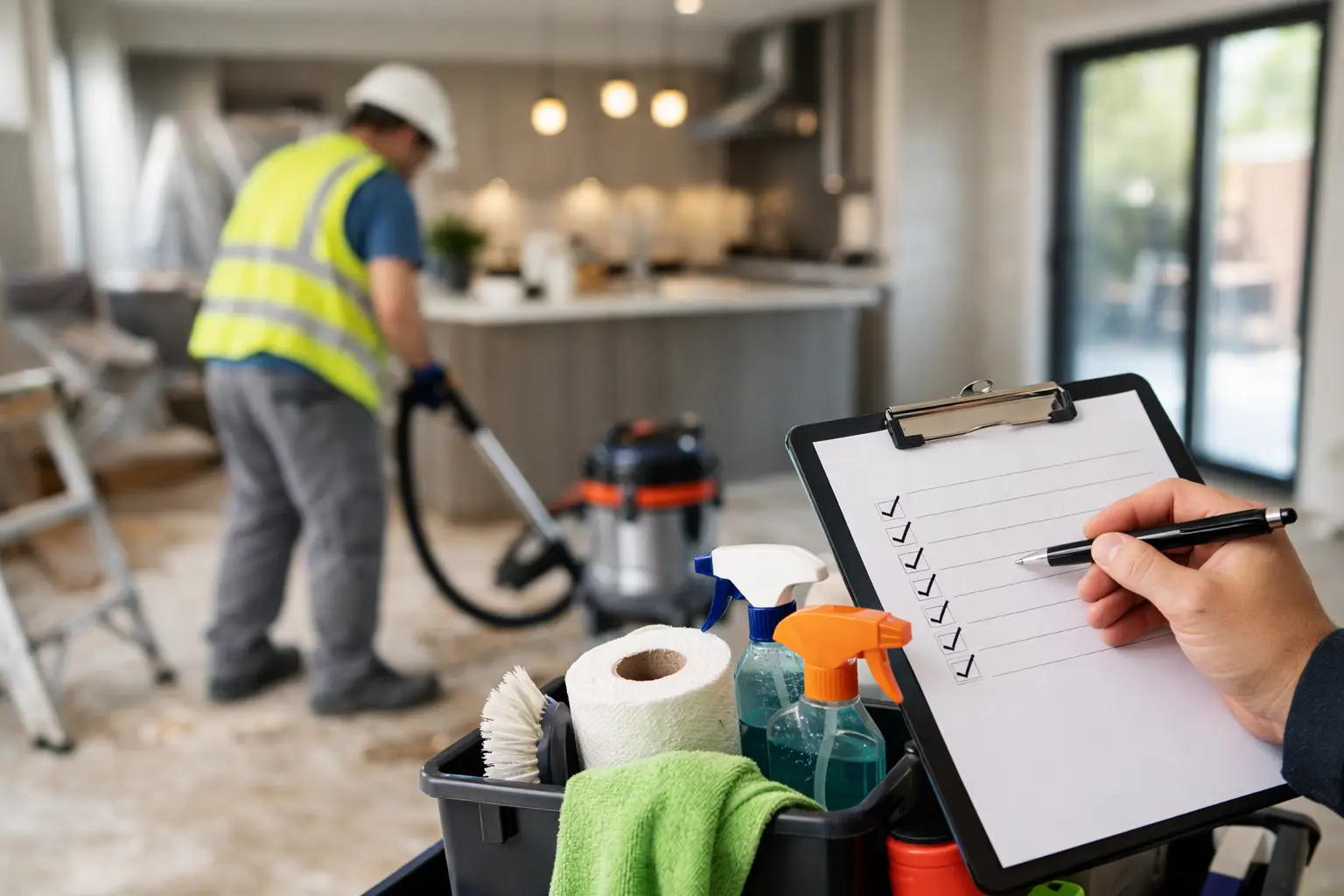




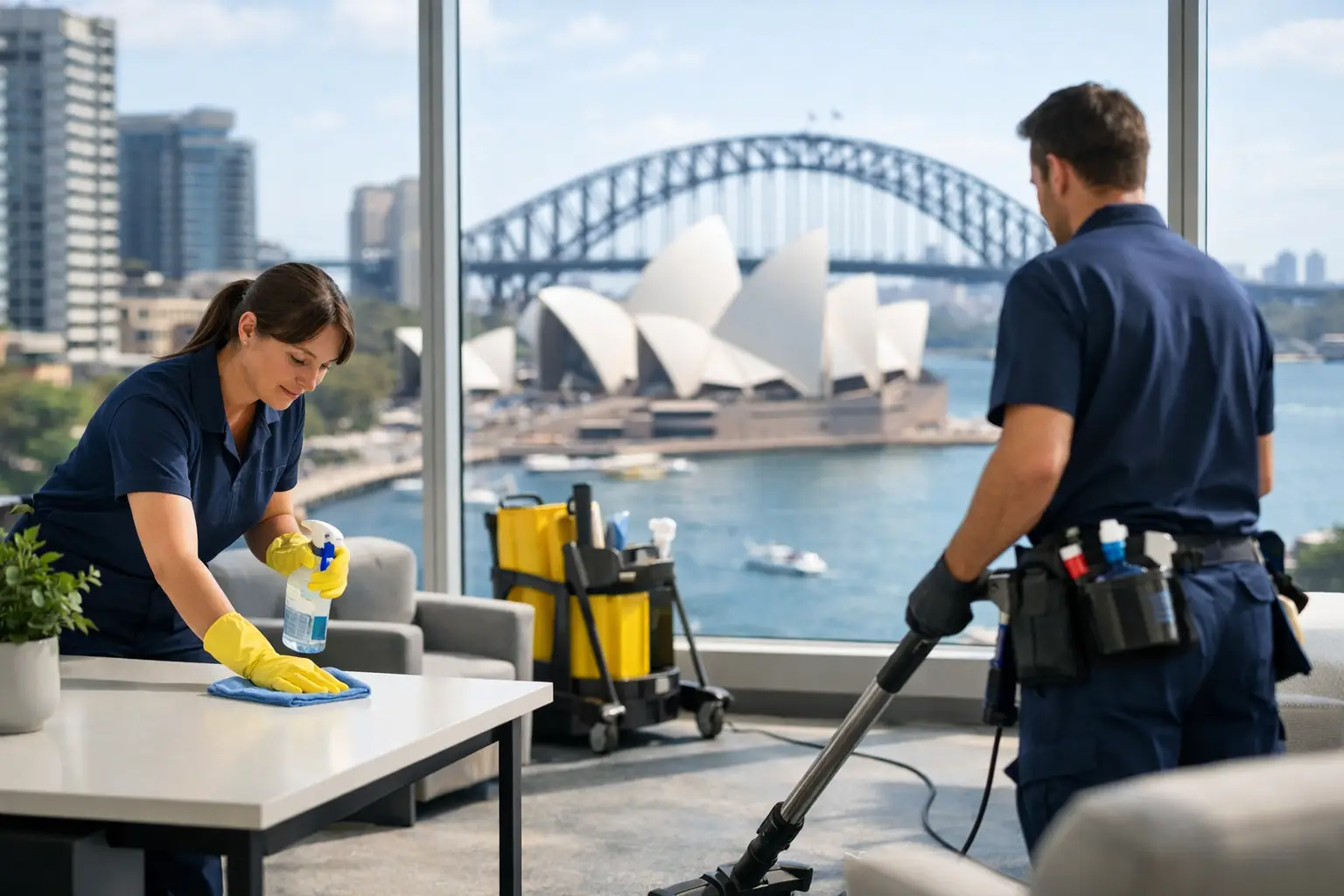

A weekly clean can keep a home looking orderly, but it may do little for the mould developing in a bathroom grout line or the carpet traffic marks at the front door. Likewise, an office may need daily washroom attention while its meeting rooms only require detailed cleaning once a week. Custom cleaning plans make the difference between paying for a generic service and receiving cleaning that genuinely supports your property, people and routine.
For Sydney households, rental properties and busy facilities, the right plan balances hygiene, appearance, timing and budget. It gives every space the attention it needs without adding unnecessary tasks or overlooking the work that matters most.
Why fixed cleaning packages do not suit every property
A standard package can be useful as a starting point, particularly for a small apartment or a straightforward one-off clean. However, properties are used differently. A family home with young children, pets and a busy kitchen has different cleaning priorities from a quiet unit occupied by one professional. A medical practice, school or strata common area has even more specific hygiene expectations.
Fixed packages can also create a mismatch in frequency. Cleaning every room to the same level at every visit may not be the best use of your budget. High-touch areas such as bathrooms, kitchens, entry points, switches and shared desks often need more regular attention than spare bedrooms, storage areas or rarely used meeting rooms.
Tailoring the scope lets you direct cleaning time where it delivers the greatest value. That may mean regular vacuuming and mopping throughout the property, with rotating deep-clean tasks such as skirting boards, oven interiors, carpet steam cleaning or high-pressure outdoor cleaning scheduled when needed.
What custom cleaning plans should consider
A professional plan begins with the real condition and function of the site, not a pre-set checklist. The process should be clear from the first quote, with agreed tasks, frequency and expectations documented before work begins.
How the space is used
Usage is the starting point. An office receiving clients each day needs a polished reception area, clean glass and presentable washrooms. A rental property preparing for final inspection needs detailed attention to the areas agents assess closely, including appliances, cupboards, walls and bathroom fittings. A home may require practical recurring support focused on the kitchen, bathrooms, floors and dusting.
Specialised environments require another level of planning. Schools need cleaning that supports student health and works around class schedules. Healthcare settings require disciplined attention to hygiene protocols and high-contact surfaces. In these environments, a cleaning plan must support operations rather than disrupt them.
Foot traffic, occupants and hygiene risks
The more people who use a space, the faster soil, germs and clutter build up. Pets, children, customers, staff and visitors all affect the level of care required. Sydney’s wet weather can also bring extra dirt indoors, while humid areas with poor ventilation may be more prone to mould.
A tailored plan identifies these pressure points early. For example, a busy family might choose a regular clean with periodic deep cleaning for bathrooms and upholstery. A commercial site may schedule frequent washroom and bin servicing, then add carpet care and window cleaning at planned intervals.
The condition of surfaces and finishes
Not every surface should be cleaned the same way. Natural stone, timber, delicate tiles, commercial vinyl, glass and carpet each require suitable products and equipment. The wrong method can leave residue, damage finishes or shorten the life of a surface.
This is where trained, insured cleaners add real value. They can assess what needs routine care, what requires specialist treatment and where eco-friendly products are appropriate. Eco-conscious methods can reduce harsh chemical exposure, but the product choice must still suit the surface and the hygiene requirement. A hospital-grade approach may be necessary in one setting, while a gentler solution is more suitable in another.
Building a plan around your schedule
The best cleaning schedule is one people can rely on. For households, that might mean a fortnightly visit while the family is at work or school. For offices, early morning, evening or weekend cleaning can keep the workplace ready without interrupting staff. Property managers often need quick, coordinated service between tenancies or ahead of inspections.
Frequency should be practical rather than aspirational. Weekly cleaning is worthwhile in high-use spaces, but a lower-traffic property may be well served by fortnightly or monthly visits combined with occasional deep cleaning. Conversely, reducing regular cleaning too far can allow grime to build up, making later visits more time-consuming and costly.
A flexible plan should also account for changes. A move-out date, school holiday period, renovation, seasonal event or increase in staff numbers can all change the cleaning requirement. Clear communication makes it easier to adjust the scope without confusion about what is included.
The difference between routine, deep and specialised cleaning
Customisation is not simply about choosing more or fewer tasks. It is about matching the type of clean to the job at hand.
Routine cleaning maintains a consistently clean environment. It generally covers the work that prevents everyday mess from becoming a larger issue, such as vacuuming, mopping, dusting, wiping surfaces, cleaning bathrooms and managing rubbish.
Deep cleaning targets accumulated grime in less visible or less frequently maintained areas. It can include detailed bathroom descaling, kitchen degreasing, internal cupboards, skirting boards, doors, light fittings and hard-to-reach surfaces. It is often a sensible starting point before a recurring service begins, especially where the property has not been professionally cleaned recently.
Specialised cleaning addresses a particular condition or property need. Carpet steam cleaning, mould treatment, pest control, high-pressure cleaning and rubbish removal all require the right equipment, knowledge and safety measures. These services may be arranged as one-off work or incorporated into a longer-term maintenance plan.
For end of lease cleaning, the scope must align with the property’s condition and lease requirements. Tenants should not assume a basic house clean will satisfy a final inspection. A detailed plan, supported by a bond back guarantee where applicable, provides greater confidence when it is time to hand back the keys.
Getting a transparent quote for a tailored service
A customised service should not mean vague pricing. In fact, the more tailored the plan, the more useful a clear quote becomes. You should understand which rooms, surfaces and tasks are included, how often the service will occur, and whether specialist work is priced separately.
Before requesting a quote, it helps to be ready with practical details: the property type and size, number of bathrooms, current condition, preferred schedule, access arrangements and any concerns such as pet hair, mould, stains or heavy foot traffic. Photos can be useful for larger, more detailed or specialised work.
Be upfront about priorities as well. If your main concern is preparing a property for an inspection, say so. If you want staff to arrive at a clean workplace each morning, explain the operating hours. A reliable provider will use this information to recommend a realistic scope rather than promising a one-size-fits-all result.
The lowest quote is not always the best value if it leaves out necessary tasks, uses unsuitable methods or provides no clear quality process. Look for professional communication, insured staff, defined inclusions and a willingness to revise the plan as your needs change.
Quality checks keep the plan effective
A cleaning plan should be reviewed, not set and forgotten. In a home, you may notice that a particular room needs more attention after a few visits, or that a rotating task can be reduced. In a commercial facility, feedback from staff and managers can identify recurring issues around washrooms, entry areas or shared kitchens.
Quality checks create accountability. They confirm that the agreed scope is being completed and that the result meets the expected hygiene and presentation standard. This is particularly valuable for facilities where cleanliness affects customer confidence, staff wellbeing or compliance expectations.
Goldenshine Facility approaches tailored cleaning as an ongoing service relationship, combining clear communication with trained teams and practical quality control. Whether the work involves a single apartment, a rental portfolio or an operational workplace, the aim is the same: a clean environment that performs well day after day.
A well-designed plan should leave you with fewer cleaning decisions to make, not more. Start with how your space is actually used, be clear about the result you need, and choose a service that can adapt as life, tenancy or business operations change.