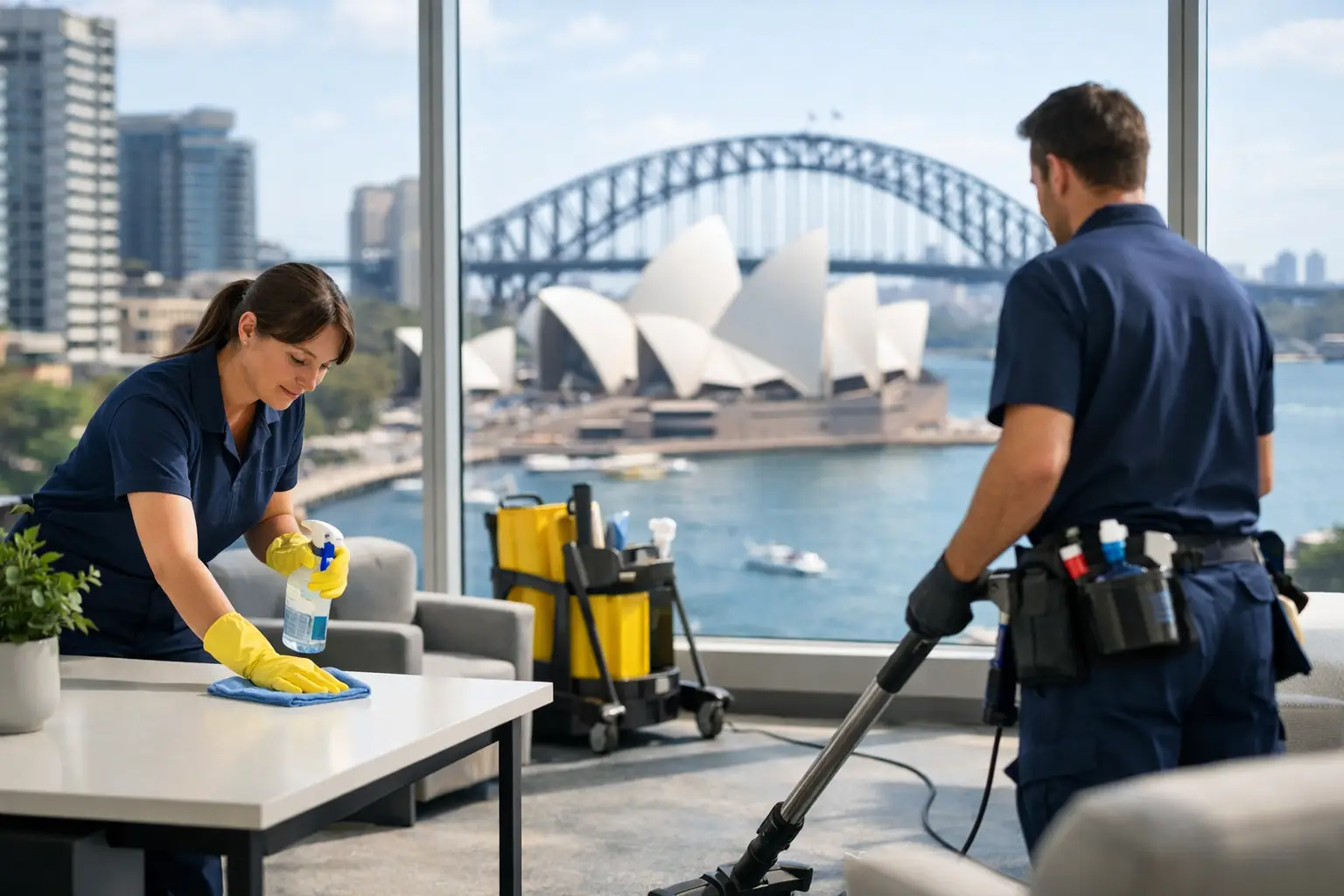





A room can look tidy at first glance and still be holding dust in skirting boards, grime in grout lines, bacteria on touchpoints, and allergens deep in soft furnishings. That is why the top benefits of deep cleaning go well beyond appearance. For Sydney homes, rental properties, and commercial spaces, a proper deep clean improves hygiene, restores presentation, and helps protect the condition of the property over time.
Regular cleaning has its place. It keeps surfaces presentable, controls day-to-day mess, and supports routine upkeep. But it usually does not address the build-up that settles into hard-to-reach areas, high-use zones, and overlooked finishes. Deep cleaning is the reset that lifts standards when general cleaning is no longer enough.
Why the top benefits of deep cleaning matter
Deep cleaning is often treated as something you book only before an inspection or after a major event. In reality, it plays a practical role in keeping a space healthier, easier to maintain, and more fit for purpose. That matters whether you are a homeowner trying to stay ahead of family life, a tenant preparing to vacate, or a business operator responsible for staff and visitors.
The biggest value is that it tackles what routine cleaning misses. This includes built-up grease in kitchens, soap residue in bathrooms, embedded dust in carpets, marks on walls, and contamination on frequently touched surfaces. Once that layer of hidden dirt is removed, the entire environment functions better.
1. A healthier indoor environment
One of the clearest benefits of deep cleaning is improved hygiene. Dust, mould spores, pet dander, and bacteria can build up gradually, especially in homes with children, pets, or limited ventilation. In workplaces, shared kitchens, bathrooms, desks, and entry points can become high-contact areas where germs spread quickly.
A deep clean targets those risk zones with more precision. Instead of simply wiping visible surfaces, it focuses on sanitising touchpoints, removing residue, and clearing out settled dust from places that are often skipped during standard cleans. That can help reduce irritants in the air and create a more comfortable environment for the people using the space every day.
It is worth being realistic here. Deep cleaning is not a replacement for medical-grade infection control in specialist settings, and it does not eliminate every allergen permanently. But as part of a broader hygiene plan, it can make a noticeable difference.
2. Better air quality and less hidden dust
If a room feels stale even after a tidy-up, hidden dust is often part of the problem. Carpets, curtains, upholstered furniture, vents, and corners collect fine particles over time. Once disturbed, those particles circulate through the property and settle again.
Deep cleaning helps break that cycle. By addressing flooring, soft surfaces, edges, and neglected areas, it removes the material that basic vacuuming and surface wiping can leave behind. This is particularly useful in busy households, office spaces with regular foot traffic, and properties that have been closed up for periods of time.
Cleaner air is not always something people notice immediately in visual terms, but they often feel it. A fresher-smelling room, less surface dust, and a lighter overall atmosphere tend to follow when the built-up layer is finally removed.
3. A stronger first impression
Presentation matters. For homeowners, that may mean feeling more comfortable in your own space or preparing for guests. For landlords and property managers, it can affect inspections, tenant transitions, and the appeal of a listing. For businesses, it shapes how clients, staff, and visitors judge the professionalism of the premises.
Deep cleaning lifts the details that people notice without always realising it. Sparkling bathrooms, clean skirting boards, stain-free carpets, polished floors, and fresh kitchens all contribute to a higher standard of presentation. These details signal care, organisation, and reliability.
That is especially important in commercial settings. A tidy office is one thing. A genuinely clean one gives people confidence in how the site is managed.
4. Longer life for surfaces and furnishings
Dirt does not just look unpleasant. Over time, it can wear surfaces down. Grit on floors can scratch finishes, grease can stain cabinetry, mould can damage seals, and neglected carpets can hold debris that breaks down fibres. Deep cleaning helps remove those harmful materials before they cause more lasting damage.
This is one of the more overlooked top benefits of deep cleaning because it is less immediate than a visual improvement. Still, it has real value. Protecting tiles, grout, carpets, benchtops, and hard floors can reduce the need for early replacement or costly restoration work.
Of course, not every surface responds the same way. Some materials need gentle methods, while others can handle stronger treatments. That is why professional assessment matters, particularly in older properties or specialised facilities where the wrong approach can do more harm than good.
5. Easier ongoing maintenance
A deep clean does not just solve the current problem. It makes future cleaning easier. When grease, scale, soap scum, and ingrained dirt are removed properly, routine upkeep becomes faster and more effective. Surfaces are easier to wipe, floors are easier to maintain, and bathrooms and kitchens are less likely to feel like they are never fully clean.
This is where many clients see practical value. A reset clean creates a better baseline. From there, regular maintenance can focus on preserving standards instead of constantly chasing built-up mess.
For busy households and active workplaces, that matters. It can reduce the pressure of day-to-day upkeep and help maintain a cleaner, more consistent environment between scheduled services.
6. Support for end of lease and property transitions
When a tenancy ends, cleaning standards usually rise quickly from “good enough” to “inspection ready”. Property managers and landlords are looking beyond the obvious. They check ovens, rangehoods, shower screens, tiles, cupboards, tracks, and corners. That is exactly where deep cleaning delivers value.
A proper deep clean can improve the condition and presentation of the property at a critical moment. For tenants, it may support a smoother handover and reduce disputes around cleanliness. For landlords, it helps prepare the property for new occupants. For property managers, it helps maintain standards across the portfolio.
There is a difference, though, between a general deep clean and a full end of lease clean. The two often overlap, but end of lease work may involve a stricter checklist and more intensive attention to appliances, fittings, and compliance expectations.
7. A more productive and comfortable workplace
In commercial environments, cleanliness affects more than appearance. It influences how staff feel in the space and how smoothly the site operates. Dusty surfaces, marked amenities, and neglected common areas can make a workplace feel tired and poorly managed. A deep clean resets those areas and raises the standard across the board.
That can support staff morale, especially in shared environments where kitchens, meeting rooms, bathrooms, and workstations are heavily used. It also helps create a better experience for customers, visitors, and contractors entering the premises.
For schools, healthcare settings, and other high-responsibility facilities, the stakes are even higher. Hygiene, order, and presentation are directly connected to confidence and day-to-day function. In those settings, deep cleaning should always be tailored to the environment, the level of use, and any compliance requirements.
8. A customised answer to specific problems
One reason deep cleaning remains so valuable is that it is flexible. Not every property needs the same treatment. A family home may need attention on bathrooms, kitchen build-up, and carpets. A strata common area may need pressure cleaning and stain removal. A medical or education facility may require detailed work around high-contact surfaces and sanitation standards.
That is why fixed packages are not always the best fit. The most effective service is one shaped around the condition of the property, the materials involved, and the result you need to achieve. In Sydney, where properties range from compact apartments to large family homes and complex commercial sites, customised planning makes a clear difference.
Goldenshine Facility approaches deep cleaning this way because the best outcome rarely comes from a one-size-fits-all checklist. It comes from understanding the space, identifying the problem areas, and applying the right methods with care.
When is deep cleaning worth booking?
The short answer is before standards slip too far. Many people wait until the space feels unmanageable, but there is more value in acting earlier. Seasonal resets, pre-inspection preparation, post-renovation clean-ups, tenancy changes, and hygiene-focused workplace maintenance are all common times to arrange a deep clean.
It also makes sense after illness in the home, before welcoming a new baby, or when a property has been vacant and needs a proper refresh. In commercial settings, deep cleaning is often most useful when routine cleaning is no longer lifting presentation or when high-traffic periods have left the site looking tired.
The right schedule depends on how the property is used. A busy office or a home with pets may benefit more often than a lightly used space. What matters is recognising that deep cleaning is not an extra for perfectionists. It is a practical service that protects hygiene, presentation, and the longevity of the property.
If your space looks clean but still does not feel fresh, that is usually the sign. A well-timed deep clean can elevate your space in ways that routine maintenance simply cannot.