




A home can look tidy at a glance and still be holding layers of dust, grease, bacteria, and built-up grime in all the places people rarely check. That is where the difference between deep cleaning vs regular cleaning becomes clear. Both services matter, but they serve very different purposes depending on how the space is used, how often it is cleaned, and the level of hygiene you need.
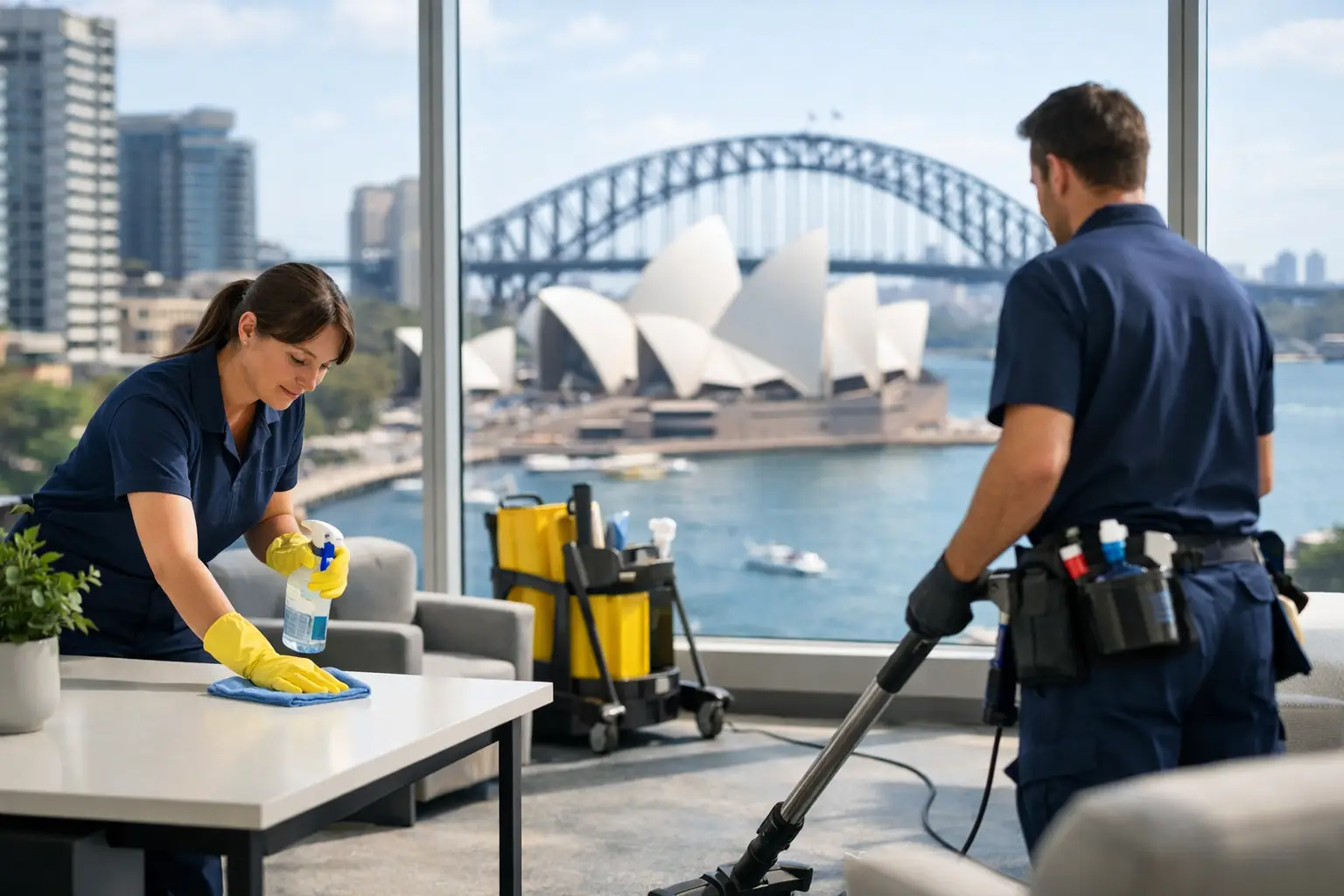
For Sydney households, rental properties, offices, schools, and healthcare settings, choosing the right type of cleaning is less about ticking a box and more about protecting presentation, hygiene, and day-to-day comfort. A regular clean keeps a space under control. A deep clean resets it.
Deep cleaning vs regular cleaning: what is the real difference?
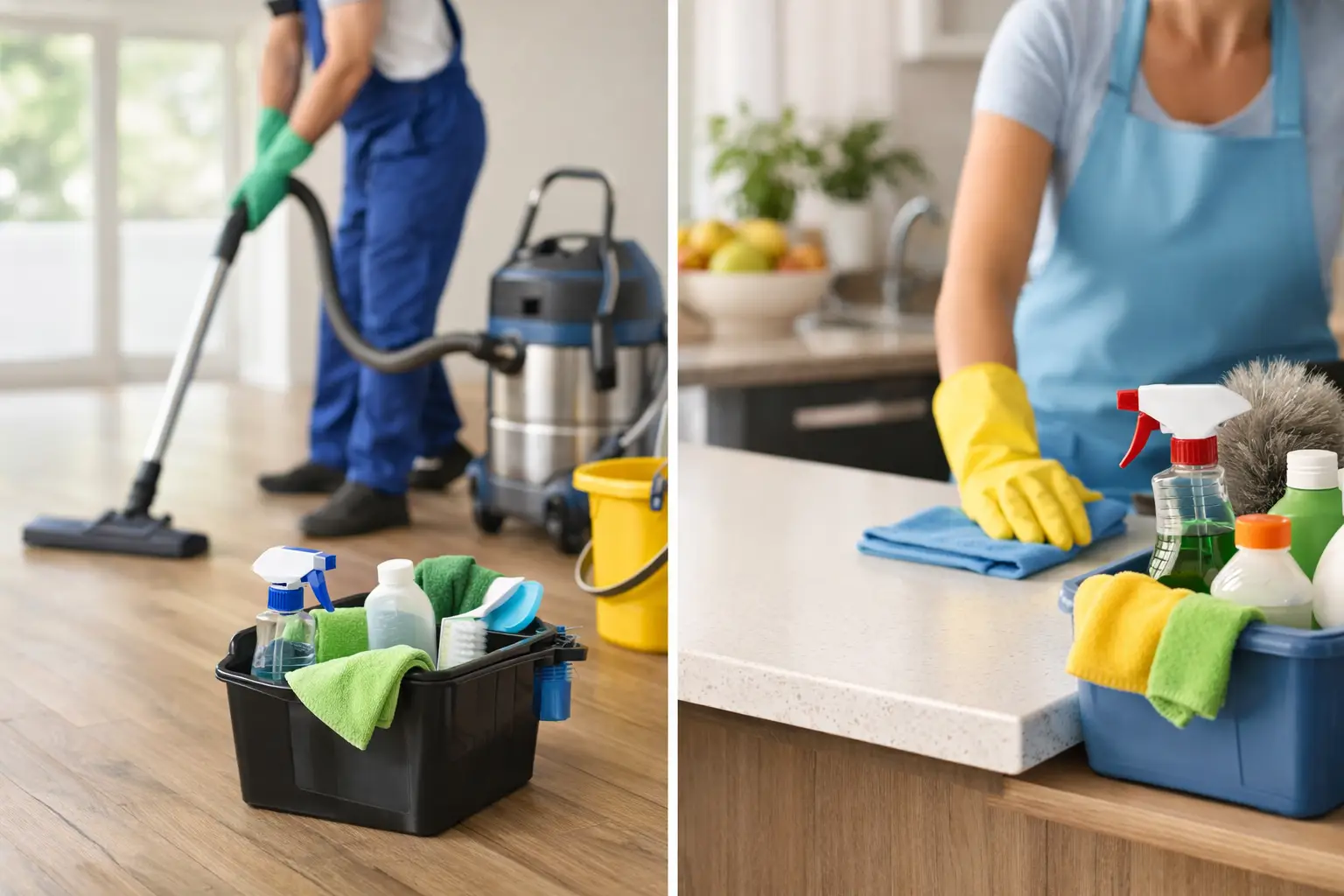
Regular cleaning focuses on routine upkeep. It is designed to maintain a clean, presentable environment by handling the tasks that keep surfaces, floors, bathrooms, and kitchens in good working order. Think vacuuming, mopping, wiping benches, sanitising frequently touched areas, cleaning toilets and sinks, and general dusting.
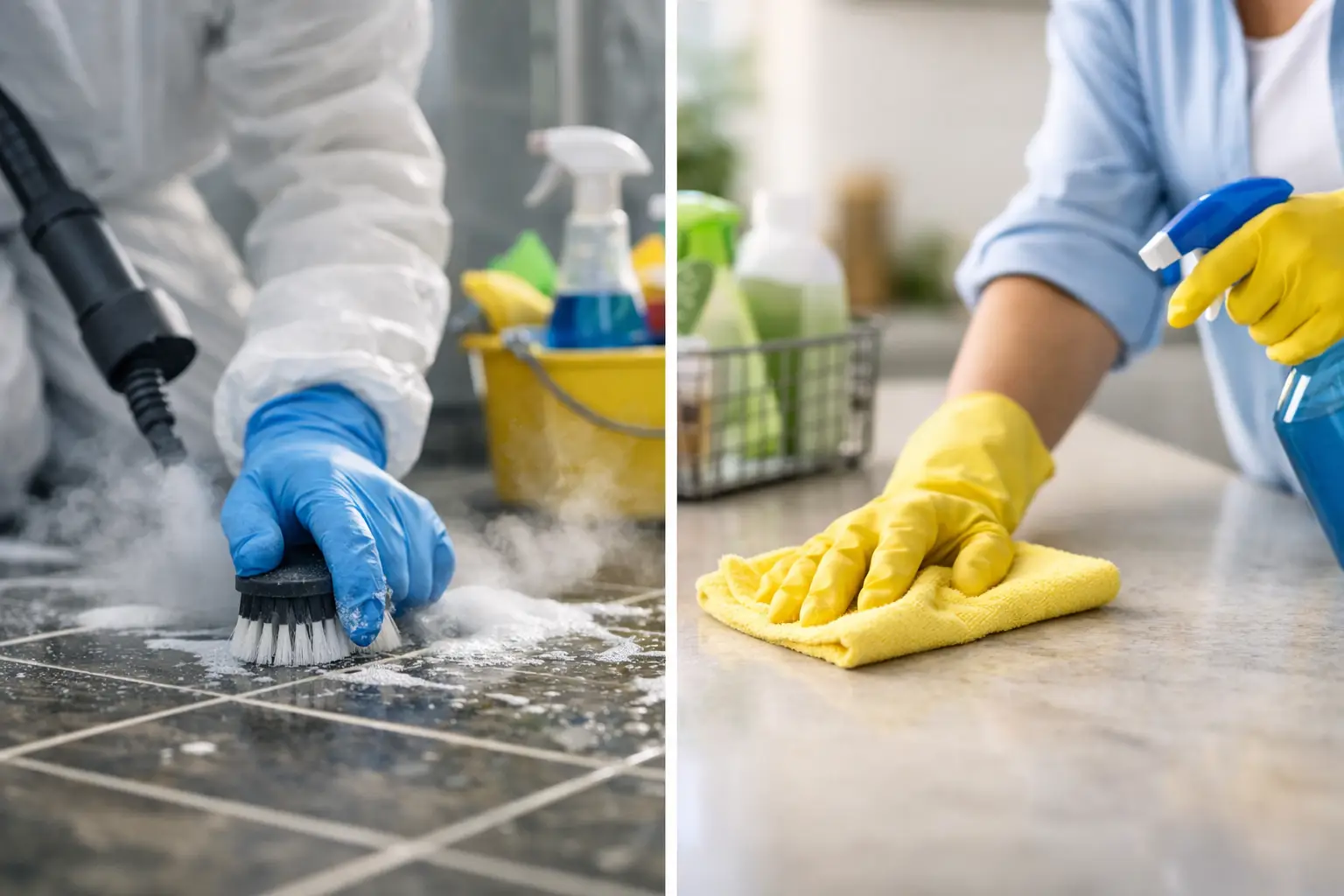
Deep cleaning goes further. It targets the hidden grime and neglected areas that build up over time, even in spaces that are cleaned every week. This can include scrubbing tile grout, removing soap scum, degreasing kitchen surfaces, cleaning skirting boards, detailing light switches and door frames, dusting vents, and reaching behind or under furniture and appliances where practical.
The simplest way to think about it is this: regular cleaning maintains standards, while deep cleaning restores them.
What regular cleaning is best for
Regular cleaning works best when a property is already in reasonable condition and needs consistent care to stay that way. For busy families, professionals, and business operators, it is often the most efficient option because it keeps dust, mess, and hygiene risks from building into a bigger problem.
In a home, regular cleaning supports liveability. Bathrooms stay fresh, the kitchen stays usable, and floors do not collect the kind of dirt that gets walked through every room. In a workplace, it helps maintain presentation for staff and visitors while also supporting a healthier environment through ongoing attention to shared surfaces and amenities.
For many clients, this is the service that makes everyday life easier. It is practical, repeatable, and far more cost-effective than letting a property slip and then trying to recover it all at once.
When deep cleaning makes more sense
Deep cleaning is usually the right choice when a space has gone beyond ordinary maintenance. That might be because it has not been professionally cleaned in some time, because there has been heavy use, or because a higher hygiene standard is needed.
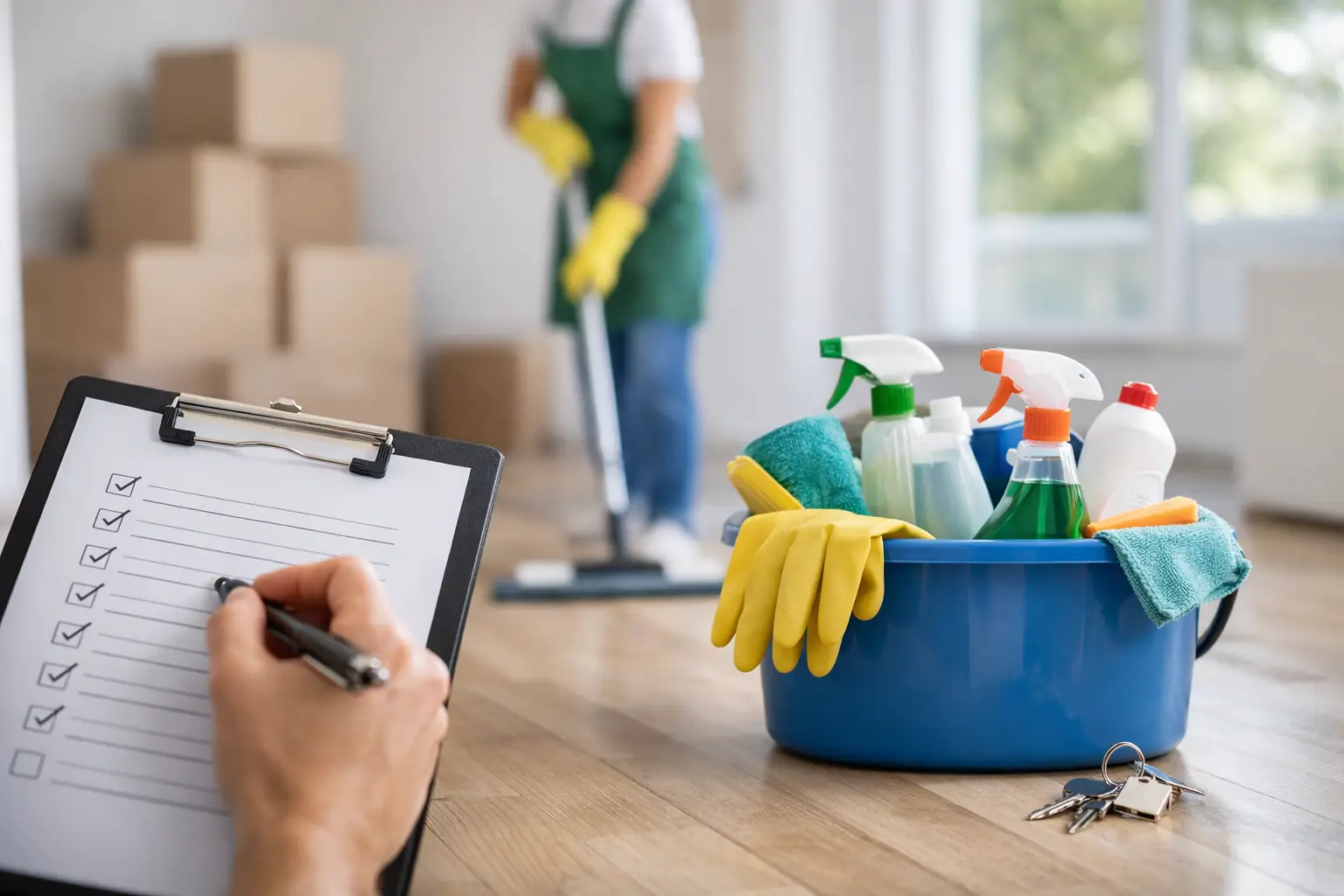
This is often the case in end of lease situations, after renovations, before a new tenant moves in, or when preparing a property for sale. It is also common in commercial environments where presentation and sanitation directly affect staff wellbeing, compliance, or customer confidence.
A deep clean can also be the smart starting point before moving onto a regular cleaning schedule. If the property has visible build-up around bathroom fittings, cooking residue in the kitchen, dust in corners and vents, or grime around doors, tracks, and edges, a standard maintenance clean may not be enough to get the result you want.
Deep cleaning vs regular cleaning in kitchens and bathrooms
The difference is especially noticeable in kitchens and bathrooms because these are the areas where moisture, grease, residue, and bacteria build up fastest.
With regular cleaning, the goal is to keep these rooms hygienic and presentable. Benchtops are wiped, sinks are cleaned, taps are polished, toilets are sanitised, and floors are mopped. This keeps the space functioning well between more detailed cleans.
With deep cleaning, the attention turns to built-up grime and overlooked detail. In the kitchen, that may mean degreasing splashbacks, cleaning cupboard fronts more thoroughly, removing residue from tiles, and addressing marks around handles, corners, and kickboards. In bathrooms, it often includes tackling soap scum, limescale, grout staining, and those hard-to-reach areas around fixtures where routine wiping does not fully remove build-up.
If a bathroom smells clean but still looks dull, or a kitchen is tidy but feels sticky in places, that is usually a sign a deeper service is needed.
For homes, rentals, and family living
In residential settings, the right service depends on lifestyle as much as property condition. A family home with pets, children, and high foot traffic may need more than a light weekly tidy to stay at a high standard. A city apartment occupied by one person may do well with routine cleaning and an occasional intensive refresh.
For renters and landlords, deep cleaning often becomes important during tenancy changes. End of lease properties are judged more closely, and cleaning expectations are usually much higher than in day-to-day living. Areas that are easy to ignore during a lease, such as skirting boards, inside cupboards, bathroom detailing, and stubborn kitchen grease, suddenly matter.
That is why many property managers and tenants choose a more detailed service when handover quality matters. It reduces risk, saves time, and helps present the property properly for inspection or re-letting.
For offices and facilities, standards matter
Commercial spaces bring another layer to the decision. In an office, regular cleaning supports staff comfort and business presentation. Desks, shared kitchens, washrooms, floors, and touchpoints need ongoing attention to keep the environment clean and professional.
But not every workplace can rely on maintenance cleaning alone. In schools, medical settings, and high-traffic facilities, deeper cleaning may be necessary at scheduled intervals to manage hygiene standards more thoroughly. Dust in vents, grime in corners, heavily used amenities, and neglected surfaces can all affect how a space feels and performs.
This is where a tailored plan makes a real difference. A one-size-fits-all package rarely suits every site. A professional assessment helps determine whether the priority is routine upkeep, a periodic deep clean, or a combination of both.
Cost, time, and the trade-off to consider
One of the biggest misconceptions is that deep cleaning is simply regular cleaning with a higher price tag. In reality, it is a more labour-intensive service that takes longer because it involves more detail, more corrective work, and often more specialised methods.
That means the better choice is not always the cheaper one upfront. If a property is already carrying months of build-up, booking only a standard clean may leave key issues untouched. On the other hand, if your home or business is already maintained to a strong standard, paying for a full deep clean too often may not be necessary.
It depends on the condition of the space, the purpose of the clean, and the result you need. If you are preparing for an inspection, reopening an area, welcoming new occupants, or resetting hygiene standards, the extra investment in a deep clean usually makes sense. If you simply need reliable upkeep, regular cleaning is the more practical fit.
How to choose the right service for your property
If you are deciding between deep cleaning vs regular cleaning, start by looking at the condition of the space rather than the name of the service. Ask whether the property is generally clean but needs ongoing maintenance, or whether there are visible signs of neglect, residue, staining, odour, or detail work that has been missed for some time.
It also helps to think about what happens next. If you want your property to stay consistently clean with minimal effort, regular visits are often the smartest long-term solution. If you need to lift the standard first, begin with a deep clean and then maintain that result over time.
For many Sydney clients, that combination delivers the best value. A detailed initial clean creates the baseline. Scheduled maintenance keeps it there. Goldenshine Facility often sees this approach work well across both homes and commercial premises because it balances hygiene, presentation, and cost in a way that is sustainable.
The right cleaning service should not leave you guessing about what is included or whether the result will match the brief. Clear quoting, customised scope, and professional execution matter just as much as the service label itself.
A well-cleaned space does more than look better. It feels easier to live in, easier to manage, and more ready for whatever comes next. If you are weighing up your options, the best place to start is with the condition of your property today, not where you hope it will be tomorrow.