




That patch behind the wardrobe or the musty smell in the bathroom is easy to put off for another day. The problem is that mould rarely stays put. If you are searching for how to remove mould safely, the right approach matters just as much as the cleaning product you use, because disturbing mould without proper precautions can spread spores and make the problem worse.
Mould is more than a cosmetic issue. In homes, it can affect indoor air quality, stain surfaces and damage paint, plaster and silicone. In rental properties and commercial spaces, it can quickly become a hygiene concern that affects presentation, compliance and occupant comfort. Safe removal starts with knowing what you are dealing with, how far it has spread and whether the job is suitable for a careful DIY clean or needs professional treatment.
How to remove mould safely without spreading it
The biggest mistake people make is scrubbing mould dry or spraying random chemicals over it and hoping for the best. Mould releases spores into the air when it is disturbed. That means your first priority is protecting yourself and containing the affected area.
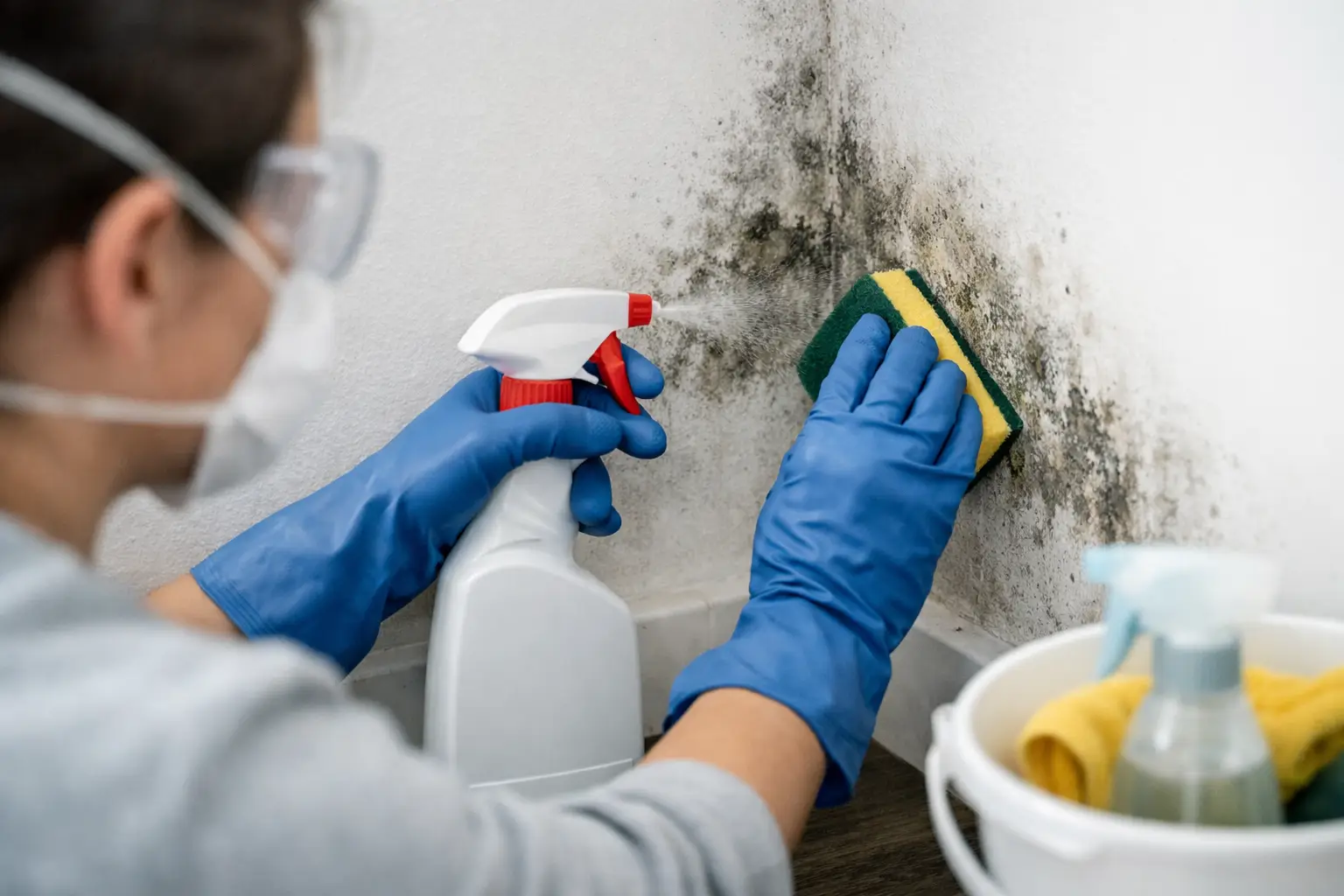
Before you start, open windows where possible to improve ventilation, but avoid creating strong airflow that pushes spores into other rooms. Wear gloves, eye protection and a well-fitted mask suitable for fine particles. Old clothes are a good idea, as mould can stain fabric. If the mould is on a porous surface such as plasterboard, carpet, ceiling tiles or untreated timber, be aware that cleaning may not fully remove contamination if the material is deeply affected.
Lightly dampening the area before wiping can help reduce airborne spores. Use disposable cloths where you can, and place contaminated rubbish straight into a sealed bag. It sounds simple, but this step makes a real difference in stopping the problem from travelling through the property.
What you should check before cleaning
Not every mould issue should be handled the same way. A small patch on bathroom tiles is very different from widespread growth on a bedroom wall or mould caused by a roof leak. The source of moisture is what determines whether your cleaning efforts will last.
Start by checking for common causes such as poor bathroom ventilation, condensation on windows, leaking taps, damaged grout, rising damp or roof and plumbing leaks. If the moisture source is still active, mould will usually return no matter how thoroughly you clean.
It is also worth looking at the size of the affected area. If mould covers a large section of wall or ceiling, keeps returning after cleaning or appears inside air-conditioning systems, behind cabinetry or under carpet, it is usually time to bring in a professional. That is especially true in schools, healthcare settings, offices and occupied rentals where health standards and duty of care are higher.
Surfaces that can usually be cleaned
Non-porous and semi-porous surfaces tend to respond better to cleaning. Tiles, glass, sealed benchtops, metal and some painted surfaces can often be cleaned successfully if the mould is minor and the moisture issue is fixed.
Surfaces that may need replacement
Porous materials are less forgiving. Plasterboard, insulation, ceiling panels, carpets, soft furnishings and some timbers can hold mould below the surface. You may remove the visible staining and still have spores or damage remaining underneath. In those cases, replacement is often the safer and more reliable option.
Safe steps for cleaning small mould patches
If the affected area is minor and there is no sign of structural water damage, you can usually tackle it with care. Keep children, pets and anyone with asthma or respiratory sensitivities away from the area while you work.
Prepare your cleaning solution based on the surface type and the product instructions. Avoid mixing chemicals. This is particularly important with bleach, as combining it with other cleaners can create dangerous fumes. In many cases, a dedicated mould cleaner is the more controlled option because it is designed for the task and includes clear directions for safe use.
Apply the solution to the cloth or directly to the surface as directed, then wipe gently rather than aggressively scrubbing. The aim is to lift the mould while limiting spore release. For textured grout or silicone, a soft brush may be needed, but keep the motion controlled. Once cleaned, wipe the area again with clean water if the product requires rinsing, then dry it thoroughly.
Used cloths, gloves and other disposable materials should go into a sealed rubbish bag. Wash your hands well afterwards, and launder clothing promptly. If any musty odour remains after cleaning and drying, there may be hidden mould or a moisture problem still unresolved.
When bleach helps and when it does not
Many people reach for bleach first, but it is not a cure-all. Bleach can remove staining on hard, non-porous surfaces, but it is often less effective on porous materials where mould roots have penetrated below the surface. It can also create a false sense of success because the stain fades even when the contamination has not been fully addressed.
That does not mean bleach has no place. On suitable surfaces and used exactly as directed, it can be part of a cleaning process. The trade-off is that it must be handled carefully, ventilation matters and it will not solve the underlying moisture issue. For households with children, pets or chemical sensitivities, lower-toxicity mould treatments may be a better fit, provided they are appropriate for the surface and level of contamination.
When to call a professional mould removal service
Knowing when not to DIY is part of removing mould safely. If the area is extensive, the smell is strong, occupants are experiencing health symptoms or the mould keeps returning, professional assessment is the sensible next step.
A qualified cleaning and mould treatment team can identify the source, assess the affected materials and carry out removal with proper containment and protective equipment. This is particularly valuable in end of lease situations, managed properties and workplaces where presentation, documentation and reliable results matter. For landlords and property managers, a professional response can also help prevent a small issue from turning into a larger maintenance claim.
Goldenshine Facility works with homes, rentals and commercial premises across Sydney, so this is often where clients see the real benefit of a tailored service rather than a one-size-fits-all clean. Mould in a bathroom, mould from a burst pipe and mould in a high-use workplace do not require the same response.
How to stop mould coming back
Removing visible mould is only half the job. Long-term control comes down to moisture management, airflow and regular cleaning.
Bathrooms should be ventilated during and after showers, and wet surfaces should not stay damp for hours. Exhaust fans need to be working properly, and windows should be opened when conditions allow. In bedrooms and living areas, furniture pushed hard against external walls can trap condensation, so leaving a small gap helps air circulate.
If your property is prone to condensation, drying washing indoors can add to the problem. Dehumidifiers can help in some homes, especially during humid Sydney periods, but they are a support measure rather than a fix for leaks or building defects. For commercial spaces, a scheduled cleaning and maintenance plan is often the most reliable way to keep moisture-prone areas under control before mould becomes visible.
Extra care for rentals and commercial properties
In rentals, it is wise to document the issue early and report any leak, ventilation fault or structural concern promptly. Tenants can usually manage day-to-day cleaning, but persistent mould linked to the property itself needs proper attention. In commercial premises, early reporting is even more important because mould can affect staff wellbeing, customer impressions and operational standards.
A careful response protects more than the surface finish. It protects air quality, presentation and the condition of the property over time.
Mould has a habit of looking like a small cleaning task when it is really a moisture warning sign. If you treat it early, clean it carefully and address the cause, you give your space the best chance of staying healthy, presentable and genuinely clean.