




A carpet can look fine at a glance, then tell a very different story once you notice the traffic lanes, the stale odour near the sofa, or the marks left by pets and spills. When clients ask about steam cleaning vs shampooing carpets, they are usually trying to answer a practical question: which method will actually leave the carpet cleaner, safer and worth the cost?
The short answer is that both methods have a place, but they do not deliver the same result. If you want a deeper clean with less residue and a faster return to normal use, steam cleaning is often the better option. If a carpet is heavily soiled and needs aggressive treatment in specific areas, shampooing can still help, provided it is done correctly and followed by proper extraction.
Steam cleaning vs shampooing carpets: what is the difference?
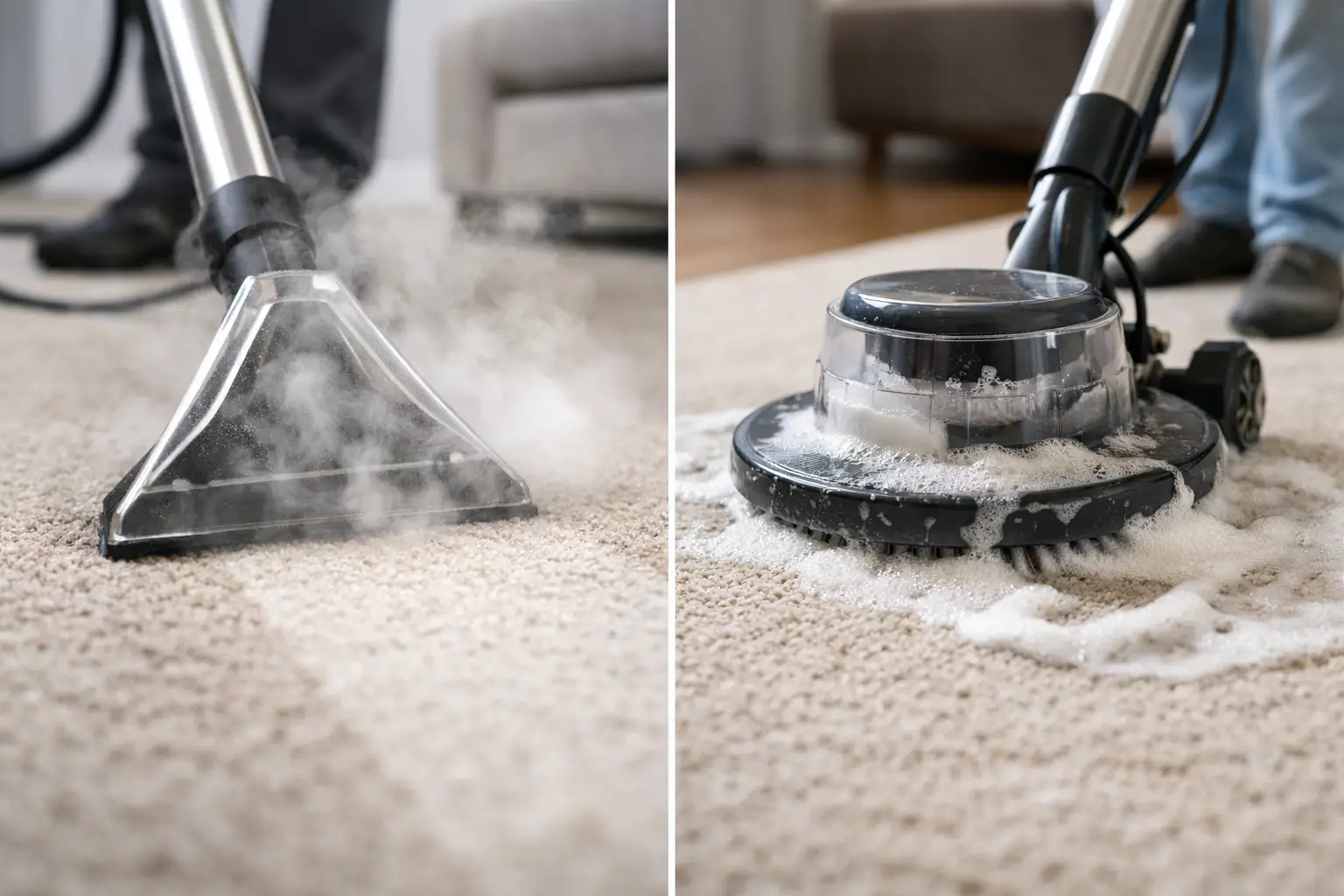
Although people sometimes use the terms interchangeably, they are not the same service. Steam cleaning, more accurately called hot water extraction, uses heated water and cleaning solution injected into the carpet fibres and then extracted with powerful suction. The goal is to loosen soil, lift contaminants and remove them from the carpet rather than simply scrubbing them around.
Shampooing carpets relies more on detergent and agitation. A foaming shampoo is worked into the carpet with a machine or brush, which helps break down grime and surface marks. In older-style shampooing, a larger amount of product stays in the pile during cleaning, and if the carpet is not rinsed or extracted thoroughly, some residue can remain behind.
That difference matters because carpets do not just hold visible dirt. They can trap dust, allergens, bacteria, pet dander and moisture. For homes with children or pets, and for offices or facilities where presentation and hygiene both matter, the method needs to clean below the surface, not just improve the look for a few days.
Why steam cleaning is usually preferred
Professional steam cleaning has become the standard for good reason. It reaches deeper into the pile, removes more suspended soil and leaves behind less detergent residue when performed with commercial-grade equipment. That usually means a cleaner finish and a lower chance of the carpet attracting dirt again too quickly.
Drying time is another major factor. While both methods introduce moisture, shampooing often leaves carpets wetter for longer if too much product or water is used. Extended dampness can create its own problems, including musty smells, wicking and, in some cases, mould risk in poorly ventilated areas. Steam cleaning still requires drying time, but with strong extraction and proper airflow, the carpet is generally ready sooner.
There is also a hygiene advantage. In busy homes and shared facilities, appearance is only part of the job. Hot water extraction is more effective for flushing out contaminants from within the fibres. That is one reason it is commonly chosen for end of lease cleaning, family homes, workspaces and settings where cleanliness standards need to be more than cosmetic.
Where shampooing carpets can still make sense
Shampooing is not outdated in every situation. On some heavily soiled carpets, particularly where there is compacted grime, oily residue or neglected high-traffic wear, a shampoo-based pre-treatment can help break up stubborn build-up. The agitation can be useful when surface-level contamination is severe.
The key is how it is handled afterwards. If shampooing is treated as a quick cosmetic service, the result may look brighter initially but decline quickly as leftover residue attracts new soil. If it is combined with proper extraction and used selectively rather than as a one-size-fits-all method, it can support restoration work on certain carpets.
This is where professional assessment matters. Different carpet fibres respond differently to moisture, heat and chemical exposure. Wool, synthetic blends and commercial loop piles all have their own cleaning tolerances. Using the wrong method, or the right method too aggressively, can affect texture, colour and lifespan.
Which method is better for stains, odours and allergy concerns?
For most common household and office needs, steam cleaning has the edge. It is typically better for general soil removal, odour reduction and extracting allergens from deep within the carpet. If the concern is built-up dust, pet dander or the overall freshness of the room, steam cleaning usually delivers the stronger all-round result.
Stains are more nuanced. Some stains respond well to pre-treatment and extraction. Others, especially older stains, dye-based spills or pet urine that has penetrated underlay, may need targeted spotting, specialised treatments or more than one visit. Shampooing can assist with some surface staining, but it is not automatically better simply because it involves more foam or scrubbing.
Odours are another area where expectations need to be realistic. If the smell is only in the carpet fibres, deep extraction may solve it. If it has reached the underlay, subfloor or nearby soft furnishings, cleaning the top layer alone may not fully remove the issue. A professional service should be upfront about that rather than overpromising.
Cost, drying time and day-to-day disruption
Price matters, but the cheapest method is not always the most cost-effective. A lower-priced shampoo service that leaves residue, needs longer drying, or requires another clean sooner can become the more expensive choice over time. Steam cleaning may be priced a little higher depending on the area, condition and stain treatment required, but the longer-lasting result often offers better value.
For renters, landlords and property managers, downtime is especially important. In a vacate clean or between tenancies, a carpet that stays wet too long can delay inspections, furniture placement or handover. In offices and facilities, long drying times can interrupt operations and increase inconvenience for staff or visitors.
That is why commercial equipment, technician skill and a clear cleaning plan matter as much as the method itself. A dependable provider should explain what the carpet needs, what result is realistic and how long the area should be left to dry before regular use resumes.
Steam cleaning vs shampooing carpets for Sydney homes and businesses
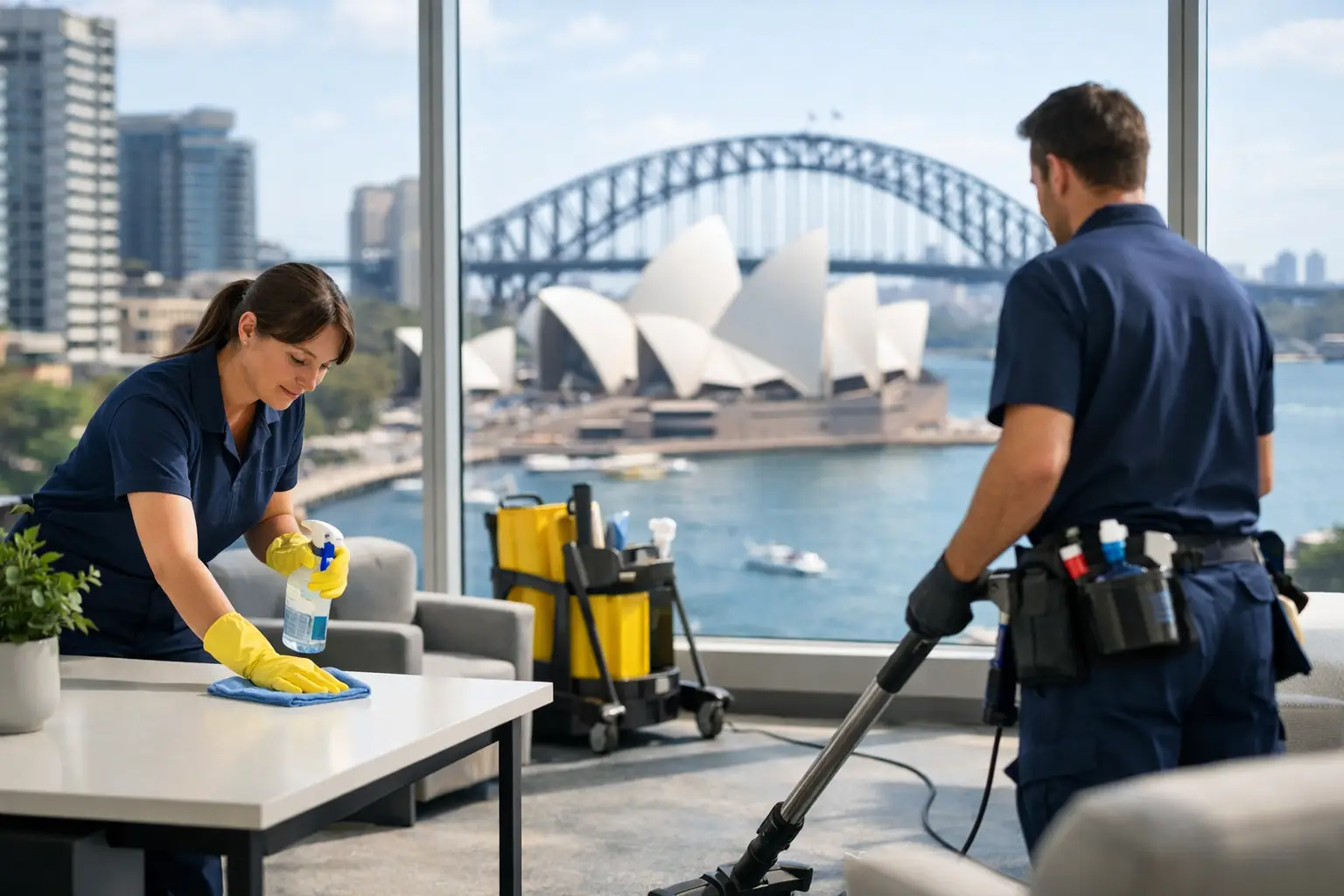
Sydney properties often deal with a mix of challenges: coastal moisture, urban dust, foot traffic, pets, food spills and the wear that comes with busy family life or high-use commercial space. In that environment, steam cleaning is generally the more reliable choice for routine maintenance and hygiene-focused cleaning.
For residential carpets, it helps restore freshness without leaving heavy product behind. For commercial sites, it supports a cleaner presentation while reducing the build-up that can shorten carpet life. In end of lease situations, it is also commonly preferred because it provides a more thorough finish that aligns with property expectations.
There are still occasions where a shampoo-based approach or pre-treatment has value, particularly on neglected carpets with visible grime build-up. But the right answer depends on the fibre type, condition, staining and how quickly the carpet needs to be back in use.
A professional team should assess those details before recommending a service. At Goldenshine Facility, that tailored approach is central to how carpet cleaning should be delivered. Not every carpet needs the same process, and clients are better served by clear advice than a fixed package that ignores the condition of the floor covering.
How to choose the right method without guessing
If your carpet looks dull, smells tired or feels sticky underfoot, resist the temptation to choose a method based on name alone. Ask what process will be used, whether residue will be extracted, how long drying will take and what level of stain removal is realistically achievable. Those answers will tell you far more than a basic service label.
As a general guide, choose steam cleaning when you want a deeper clean, improved hygiene, better allergen removal and less residue. Consider shampooing only when there is a clear reason for heavier agitation or pre-treatment, and make sure it is backed by proper extraction rather than left sitting in the carpet.
A good carpet clean should do more than brighten the room for a day or two. It should support a healthier indoor environment, protect the life of the carpet and make the space feel properly refreshed. If you are weighing steam cleaning vs shampooing carpets, the best choice is usually the one that removes soil thoroughly, dries in a reasonable time and suits the actual condition of the carpet rather than the cheapest quote on paper.
Clean carpets change how a space feels the moment you walk in – and the right method makes that result last longer.