




A knocked-over coffee on a light-coloured carpet can change the feel of a room in seconds. If you are searching for how to remove carpet stains, the best results usually come from acting quickly, using the right method for the spill, and avoiding the common mistake of scrubbing too hard.
Carpet stains are rarely just about appearance. In busy homes, rental properties and commercial spaces, a stain can hold odour, affect hygiene and make an otherwise clean room look neglected. That is why a careful approach matters. The aim is not only to lift the mark, but to protect the carpet fibres and avoid spreading the problem deeper into the pile.
How to remove carpet stains without damaging the fibres
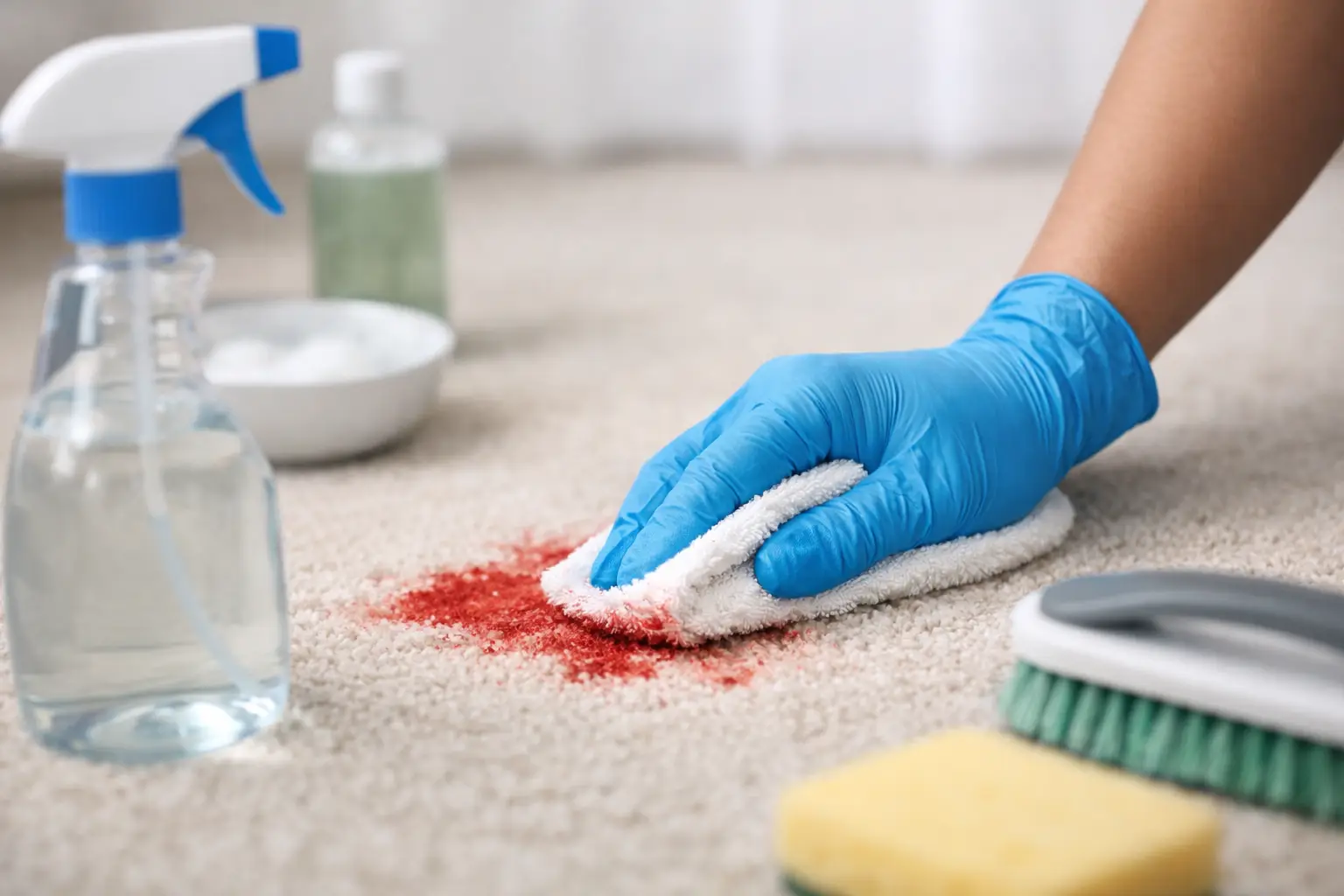
The first rule is to blot, not scrub. Scrubbing can rough up the carpet, push the spill further down and leave a larger patch than the original stain. Use a clean white cloth or paper towel and press firmly to absorb as much liquid as possible. If the stain is fresh, this step alone can remove a surprising amount.
After blotting, work from the outside of the stain towards the centre. This helps stop it from spreading. Use small amounts of cleaning solution rather than soaking the area. Too much water can lead to lingering dampness, odour or even mould in some environments, especially where ventilation is poor.
Before applying anything across a visible section, test it on a hidden area first. Carpets vary in fibre type, dye stability and backing. What works safely on one carpet may cause discolouration or shrinkage on another. In premium wool carpets, for example, stronger stain treatments can do more harm than the stain itself.
Start with the mildest method first
For many everyday spills, lukewarm water and a small amount of mild dishwashing liquid are enough. Mix only a little detergent into the water. Drenching the carpet with soap creates another problem, because sticky residue attracts dirt and can make the area look worse after it dries.
Apply the solution with a clean cloth, blot gently, then follow with a separate cloth dampened with plain water to rinse. Finish by pressing dry towels over the spot to draw out moisture. If possible, place a fan nearby to speed up drying.
This gentle method suits many water-based stains such as soft drink, tea, light mud and diluted juice. It is less effective on oily, heavily coloured or protein-based stains, which usually need a more targeted response.
How to remove common carpet stains
Different stains behave differently, so matching the treatment to the spill gives you the best chance of a clean result.
Coffee and tea
Coffee and tea are among the most common carpet accidents in homes and offices. Blot up the liquid immediately, then use the mild detergent solution described above. If a tannin mark remains, a small amount of white vinegar diluted with water can help lift it. Use it sparingly and blot carefully. Too much vinegar can leave a smell and, on some carpets, affect the finish.
Red wine
Red wine stains quickly and can set fast. Blot first, then use cold water to dilute the area slightly and continue blotting. Follow with a carpet-safe stain treatment or a mild detergent mix. Some people reach for salt, but it is not always reliable and can leave residue in the fibres. A controlled liquid treatment is usually the safer option.
Pet accidents
Pet stains need more than surface cleaning. Urine can travel through the carpet into the underlay, which is why odour often returns after a basic wipe-down. Blot thoroughly, clean the area with a mild solution, and if the smell remains, use an enzyme-based carpet product designed for pet accidents. This is one of the clearest examples of where DIY can help initially, but professional treatment may be needed for a complete result.
Grease and oily food
Oily stains from takeaway, butter or cosmetics usually need a little more patience. First lift any solid material with a spoon or blunt edge. Blot the oily area with a dry cloth, then apply a small amount of carpet-safe cleaning solution. Avoid using random household degreasers, as they can bleach or damage carpet fibres.
Mud and dirt
With mud, it pays to wait. If you try to treat wet mud immediately, you often spread it further. Let it dry, vacuum up as much loose soil as possible, then blot any remaining mark with a damp cloth and mild detergent solution. In commercial spaces with heavy foot traffic, repeated soil marks may point to a need for deep carpet cleaning rather than spot treatment alone.
Blood
Blood should be treated with cold water, never hot. Heat can set the protein in the stain and make it harder to remove. Blot gently with cold water first, then use a suitable carpet-safe stain remover if required. If the stain is large or old, professional cleaning is usually the better option.
What to avoid when removing carpet stains
Many stubborn carpet stains become worse because of well-meant but poor cleaning habits. Over-wetting is one of the biggest issues. A saturated carpet can take too long to dry, trap odours and affect the underlay. In rental properties and managed facilities, that can become a bigger maintenance issue than the original stain.
Another problem is using strong chemicals without checking the fibre type. Bleach, harsh bathroom cleaners and some multipurpose sprays can strip colour or weaken the carpet. Even popular home remedies can be unpredictable. Baking soda, vinegar and dishwashing liquid each have their place, but they are not universal fixes.
It is also worth avoiding coloured cloths or dark towels, as dye transfer can occur during cleaning. A clean white cloth is the safer choice.
When a carpet stain needs professional treatment
Some stains look manageable at first but keep reappearing. This often means the spill has penetrated deeper than the surface. Coffee, wine, pet urine, makeup, grease and unknown stains in high-traffic areas are all common reasons to bring in professional carpet cleaners.
There is also a practical point to consider. If the carpet is part of an end of lease clean, a routine office presentation standard or a property handover, trial-and-error cleaning can be risky. The cost of replacing damaged carpet or losing part of a bond is usually far higher than the cost of proper stain treatment.
Professional carpet steam cleaning can reach deeper into the fibres, remove residue more thoroughly and improve overall hygiene at the same time. For commercial settings such as medical clinics, schools and offices, this matters not just for appearance, but for maintaining a cleaner environment for staff, visitors and clients.
How to keep stains from setting in the first place
Good carpet care is as much about prevention as removal. Vacuuming regularly helps stop dirt from embedding into the pile, where it can combine with spills and create darker marks. Entry mats at doors also make a noticeable difference, especially in Sydney homes and workplaces dealing with wet weather, dust or heavy foot traffic.
In family homes, treating spills immediately is the simplest way to protect the carpet long term. In commercial spaces, it helps to have a clear process so staff know how to respond to accidents quickly and correctly. Delays often turn a manageable spill into a permanent-looking stain.
A scheduled professional clean is also worth considering, even when there are no major visible marks. Carpets trap fine dust, allergens and residue over time. Spot cleaning handles the urgent issue, but periodic deep cleaning helps restore the overall look, feel and hygiene standard of the space.
A practical standard for better results
If you want to know how to remove carpet stains effectively, think in stages: absorb first, clean gently, rinse lightly and dry thoroughly. That simple sequence works better than aggressive scrubbing or overloading the area with chemicals. It also helps protect the carpet you have already invested in.
For minor spills, a careful home treatment is often enough. For set-in marks, recurring odours or carpets that need to meet a higher presentation standard, professional support is the smarter path. At Goldenshine Facility, we see this often across homes, rentals and commercial sites – the best outcome comes from the right method at the right time. A clean carpet does more than improve appearance. It helps elevate your space and keeps it ready for everyday living, working and welcoming others.