




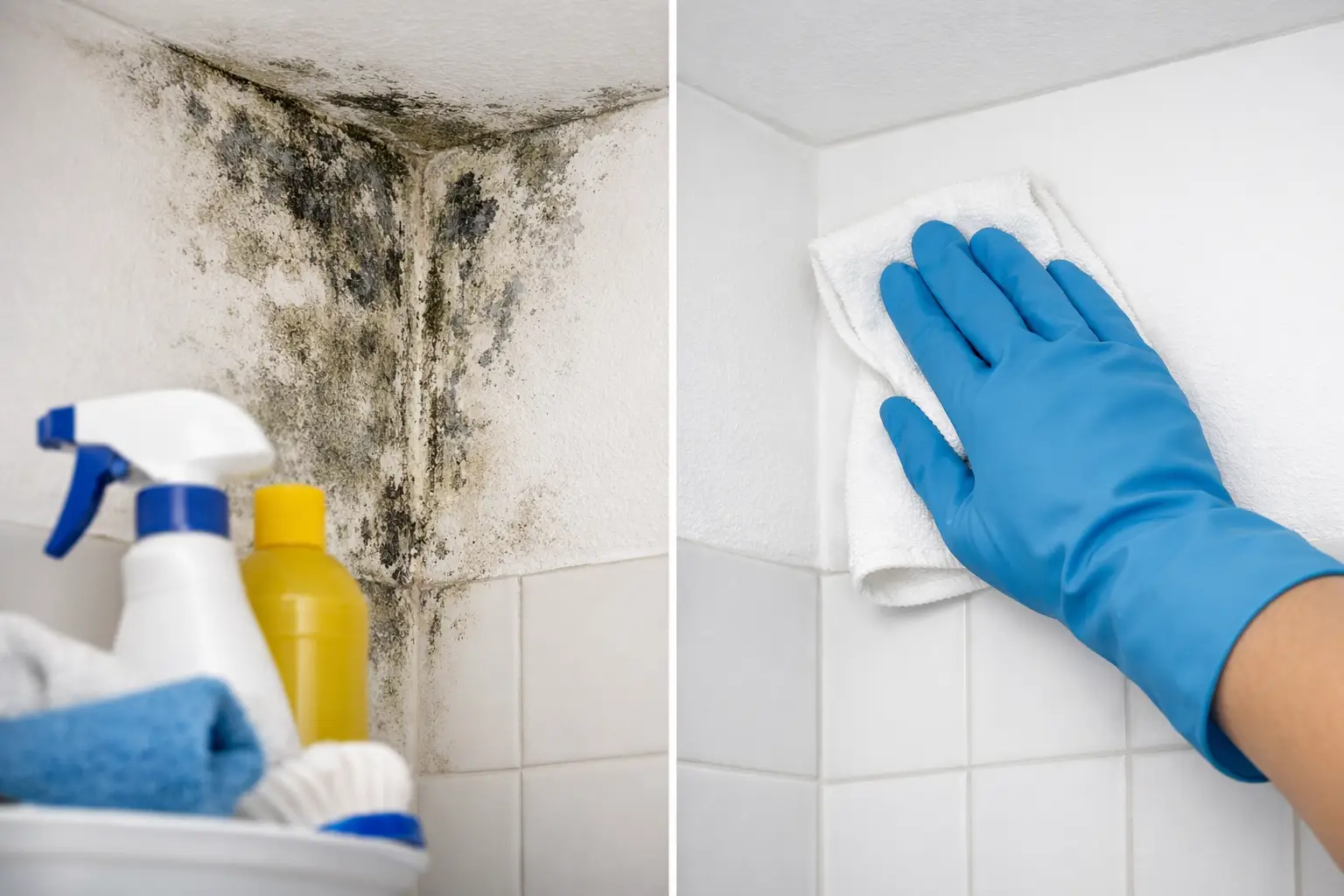

You wipe the wall, the ceiling looks clear again, and the musty smell fades for a while. Then a few weeks later, the dark spotting is back. If you have been asking can mould come back after cleaning, the short answer is yes – and in many Sydney properties, it does.
That does not always mean the cleaning was careless. More often, it means the source of the problem was never fully resolved. Mould is not just a surface stain. It is a sign that moisture, poor ventilation, condensation, leaks, or trapped humidity are still present somewhere in the property. If those conditions remain, mould can return even after a space looks clean.
Why mould returns after cleaning
Mould needs three things to thrive – moisture, a food source, and the right conditions. In homes and commercial spaces, the food source is rarely the issue. Plasterboard, timber, paint, dust, fabric, carpet backing, and even built-up grime can all support mould growth.
The deciding factor is usually moisture. A bathroom with no proper exhaust, a bedroom wall affected by condensation, a roof leak above the ceiling, or damp carpet after water intrusion can all create the same cycle. You clean the visible mould, but the environment that caused it remains active.
This is why mould often comes back in the same spot. It is not random. It is following the moisture.
Can mould come back after cleaning if you used supermarket products?
Yes, and this is one of the most common reasons people feel stuck with an ongoing mould issue.
Many household cleaners improve the appearance of a surface without fully treating contamination. Some products bleach the staining, which can make mould look gone even when the affected area is still damp or compromised underneath. On non-porous surfaces, that may be enough if the moisture problem was minor and temporary. On porous materials such as gyprock, ceiling paint, grout lines, carpet, curtains, or timber trims, it is often a different story.
The challenge is that mould does not always sit neatly on top of a surface. It can settle into tiny pores, behind fixtures, under paint films, or inside materials that have absorbed moisture over time. If the area is only wiped down, the visible growth may reduce while the underlying issue continues.
The difference between cleaning mould and solving mould
This is where many property owners and tenants get caught out. Cleaning mould and solving mould are not the same job.
Cleaning focuses on removing visible growth, staining, and residue. Solving mould means identifying why the mould formed in the first place and taking steps to stop those conditions from returning. In practical terms, that might mean improving ventilation, repairing leaks, reducing indoor humidity, removing water-damaged materials, or adjusting how the room is used.
A bathroom ceiling that develops mould every winter may need better extraction and more consistent airflow. A wardrobe wall in an apartment may need a condensation strategy rather than stronger spray. A recurring patch near a window frame may point to failed seals, not poor housekeeping.
When the cause is missed, mould can return after what seemed like a thorough clean.
Where mould is most likely to come back
Some areas are far more vulnerable than others, especially in Sydney properties where humidity, rainfall, and seasonal condensation can vary across suburbs and building types.
Bathrooms are an obvious example because steam builds quickly and ventilation is often inadequate. Laundries are another common trouble spot, especially in enclosed spaces with dryers. Bedrooms can also be affected, particularly where furniture is pushed hard against external walls and airflow is restricted. In commercial settings, storerooms, kitchens, air-conditioned offices, and poorly ventilated amenities can all develop recurring mould if moisture management is inconsistent.
Carpet and underlay deserve special mention. If they have been affected by a leak, flooding, or slow moisture intrusion, the surface may look acceptable while dampness remains underneath. That is one reason mould odours can persist even after a room has been cleaned.
Signs the mould problem was not fully treated
Sometimes the return of visible spots is the first sign. Other times, the warning signs show up earlier.
A lingering musty smell usually means moisture or microbial activity is still present. Peeling paint, bubbling surfaces, warped skirting, discoloured silicone, or recurring condensation on windows can all point to an unresolved moisture issue. If occupants are repeatedly wiping the same area every few weeks, that is another sign the problem is cyclical rather than cosmetic.
In rental properties and managed facilities, repeated complaints from different occupants often indicate that the issue sits within the building conditions, not the cleaning routine alone.
When mould is more than a simple surface issue
There are times when mould can be handled as a small maintenance problem, and times when it needs professional treatment. The difference depends on size, location, recurrence, and what materials have been affected.
A small amount of mould on a bathroom tile surface after a period of poor ventilation is very different from mould returning on painted ceilings, behind cupboards, inside air conditioning areas, or across multiple rooms. Once mould becomes recurrent, widespread, or tied to leaks and water damage, a more structured response is usually the safer option.
That is particularly relevant for schools, healthcare environments, offices, and family homes where hygiene standards matter beyond appearance. A space can look improved while still not being properly remediated.
What proper mould treatment should involve
If the goal is to stop mould coming back, treatment needs to go beyond wiping and spraying.
A professional approach usually starts with assessing the affected areas and the likely moisture source. The cleaning method should suit the surface type, because what works on tiles may not be suitable for painted plaster or soft furnishings. Contaminated materials may need deeper treatment, and in some cases replacement is the more responsible option.
Just as important is what happens after treatment. Drying, airflow, and prevention measures matter. There is little value in restoring a room if humidity remains high or a leak continues in the wall cavity. For homes, that may mean changing ventilation habits or repairing building defects. For commercial and managed properties, it may involve a broader maintenance response alongside cleaning.
This is where a tailored service matters. Goldenshine Facility approaches mould treatment with the understanding that no two sites present the same way. A family bathroom, an end of lease property, and a commercial facility all require different priorities, different access planning, and different hygiene expectations.
Can mould come back after cleaning in a rental property?
Yes, and rental properties often make the issue more complicated because responsibility may be shared between occupant behaviour and property condition.
For example, daily shower steam with no exhaust fan use can contribute to mould. So can blocked vents, failed waterproofing, roof leaks, or poor insulation – factors that sit with the property itself. That is why one-off cleaning does not always settle a dispute or protect the condition of the space long term.
For tenants, early reporting matters. For landlords and property managers, recurring mould should be treated as both a cleanliness issue and a maintenance risk. Left alone, it can affect presentation, occupant comfort, and the integrity of finishes.
How to reduce the chance of mould returning
There is no single fix for every property, but the best prevention plans are usually practical. Moisture needs to be removed quickly, not left to linger. Exhaust fans should be used properly. Windows should be opened when weather allows. Furniture should not be pressed tightly against damp-prone walls. Leaks should be repaired promptly, and wet carpet or furnishings should be dried professionally rather than left to air out slowly.
Regular cleaning still has value, but only as part of a bigger strategy. If moisture is controlled, cleaning helps maintain a healthier environment. If moisture is ignored, cleaning becomes a short-term reset.
That is the real answer to the question. Can mould come back after cleaning? Yes – absolutely – if the conditions that caused it are still there. The good news is that recurring mould is usually telling you exactly what needs attention, and once that is addressed properly, the space has a far better chance of staying clean, dry, and under control.
If mould keeps returning in your home, rental, or workplace, treat that as a sign to look deeper rather than scrub harder. A cleaner surface is a start. A drier, healthier property is the result that lasts.