




A clean foyer can impress in seconds, but a neglected touchpoint can undo that impression just as fast. Any effective facility hygiene guide needs to go beyond what people can see at a glance. Hygiene is about presentation, certainly, but it is also about health, safety, compliance and the daily experience of everyone who uses the space.
For property managers, business operators and homeowners, the challenge is rarely knowing that cleaning matters. The real issue is knowing what standard is appropriate, how often tasks should be done, and where routine cleaning ends and specialised hygiene work begins. That is where a clear plan makes all the difference.
What a facility hygiene guide should actually cover
A useful facility hygiene guide is not just a cleaning checklist. It should set expectations for hygiene outcomes across the whole site, including shared areas, high-touch surfaces, washrooms, floors, waste zones and any specialised environments such as medical rooms, kitchens or classrooms.
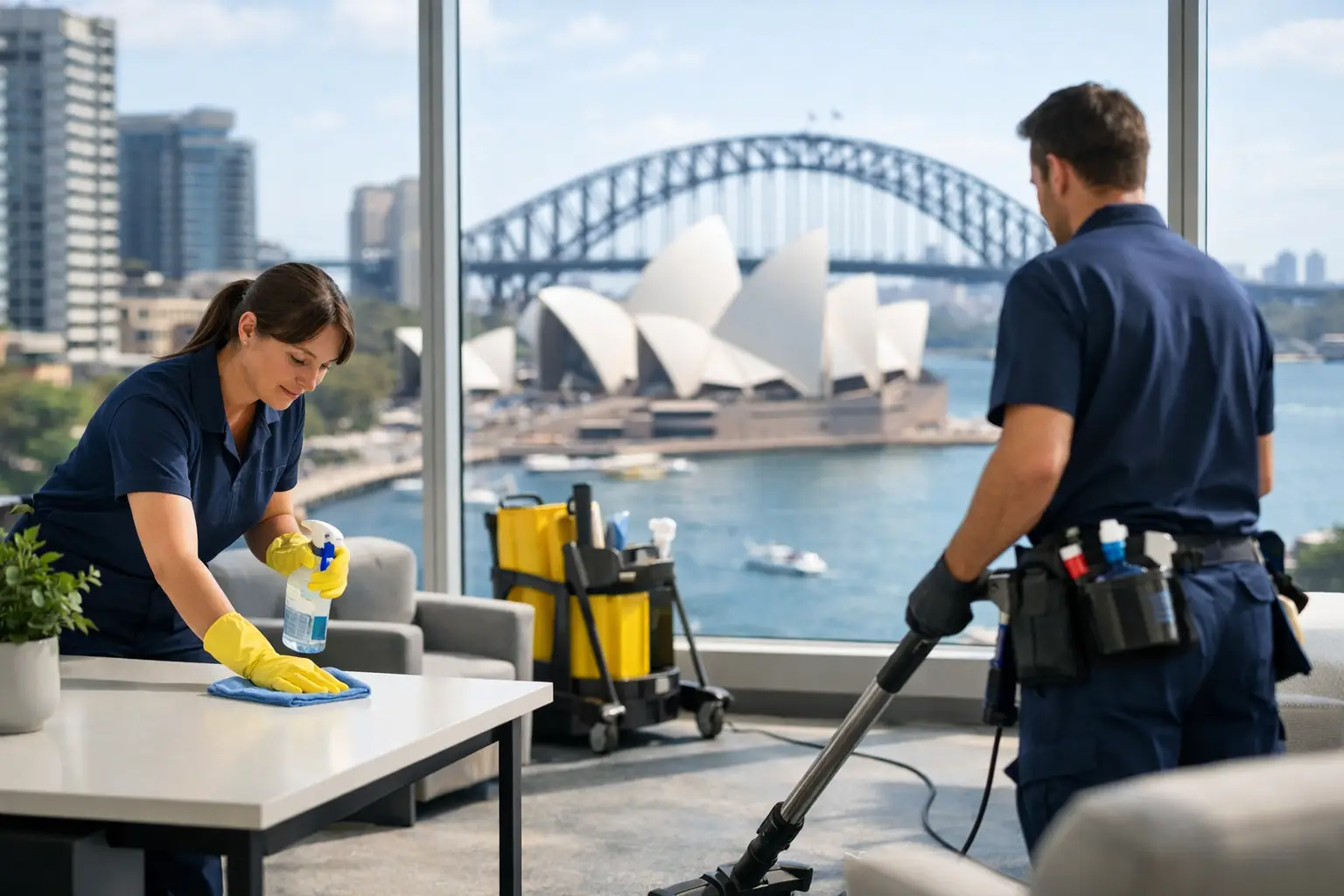
That matters because different facilities carry different risks. A small office in the Sydney CBD will not need the same hygiene controls as a childcare setting, medical practice or apartment common area with heavy foot traffic. Even within one building, standards can vary. Reception areas need visual presentation and dust control, while bathrooms and kitchens need stronger attention to sanitation, odour control and replenishment.
Good hygiene planning also considers timing. Some sites need daily attendance, others benefit from a combination of regular maintenance and scheduled deep cleaning. If a facility only reacts when problems become visible, hygiene usually slips long before anyone raises a complaint.
Start with risk, not guesswork
The most reliable way to build a hygiene plan is to assess how the space is used. This sounds simple, but it is often overlooked. A quiet office with a steady team creates one type of cleaning demand. A school, medical setting or high-turnover rental property creates another.
Risk is shaped by traffic, surface contact, moisture, food handling, waste generation and the vulnerability of the people using the site. In practical terms, that means entry points, lift buttons, door handles, desks, taps, toilets and shared kitchens usually need more frequent attention than low-contact storage areas or meeting rooms used once a week.
There is a cost balance here. Over-servicing low-risk areas can waste time and budget. Under-servicing critical touchpoints can create complaints, health concerns and reputational damage. The right approach is customised, not fixed.
High-touch zones deserve more than a quick wipe
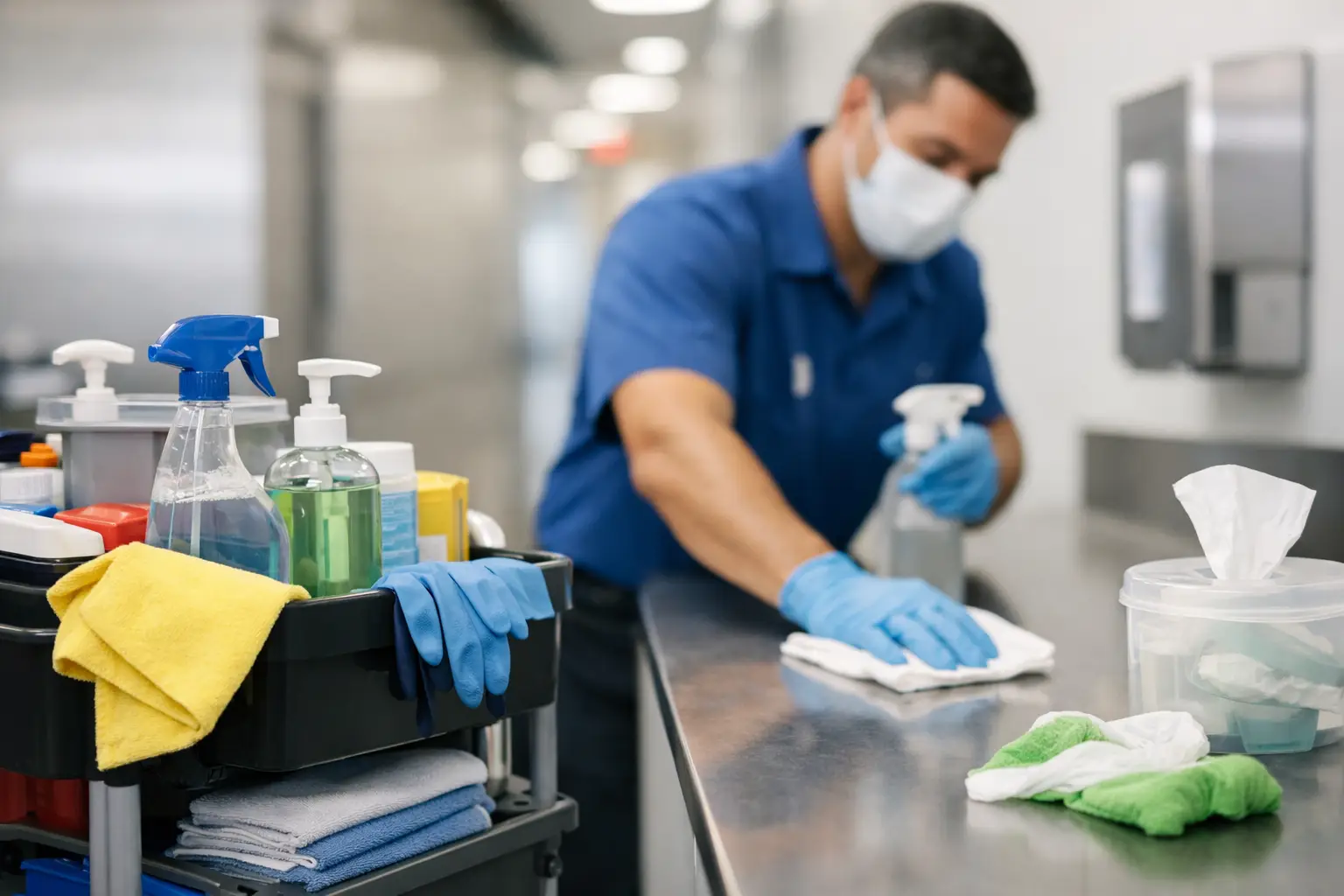
Many hygiene issues start with surfaces people contact repeatedly throughout the day. These are the areas that spread contamination fastest and show wear sooner. In most facilities, this includes switches, handles, handrails, counters, shared equipment, bathroom fixtures and kitchen surfaces.
Cleaning these areas is not only about frequency. Method matters. If cloths, chemicals or tools are used incorrectly, germs can simply be spread from one surface to another. Cross-contamination is a common problem in facilities that rely on rushed routines or inconsistent training.
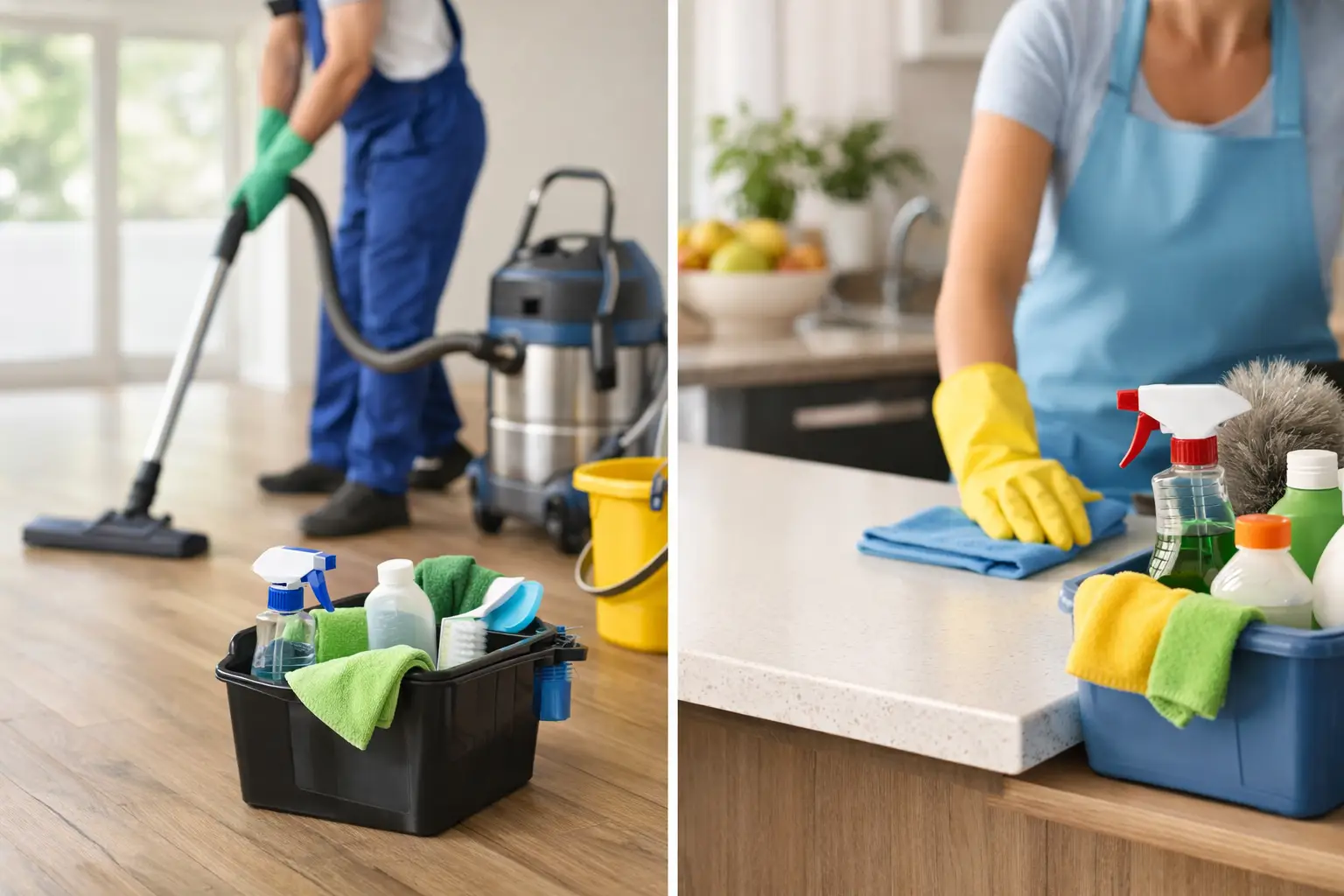
For that reason, professional hygiene standards usually separate cleaning processes by zone and purpose. Washroom tools should not move into kitchen areas. Waste handling should not overlap with food preparation surfaces. Colour-coded systems, clear procedures and quality checks are not overkill. They are how consistency is maintained.
Bathrooms and kitchens set the tone for the whole site
If people walk into a bathroom that smells off or a kitchenette with sticky benches, they assume the rest of the property is being managed the same way. These areas influence trust more than almost any other part of a building.
Bathrooms need more than visible tidiness. They require attention to disinfection, consumable restocking, grout condition, moisture control and odour management. A washroom can look fine at first glance while still falling short on hygiene if touchpoints and damp areas are neglected.
Kitchens and staff break areas come with their own risks. Food crumbs, spills, grease and bin overflow attract pests and create contamination issues quickly. In shared environments, responsibility can become blurred. That is why scheduled cleaning, clear expectations and periodic deep cleaning are often necessary rather than optional.
Floors, soft surfaces and air quality all affect hygiene
People often think of hygiene in terms of benches and bathrooms, but floors and furnishings play a major role. Carpets trap dust, allergens and soil. Hard floors collect debris and can become slippery when residue builds up. Upholstery and curtains can hold odours and fine particles that affect comfort indoors.
The right cleaning method depends on the material and the environment. Steam cleaning may suit carpets in some settings, while hard floor scrubbing, sealing or pressure cleaning may be required elsewhere. External entries also matter because dirt is usually brought in before it spreads through the building.
Air quality is another factor that deserves attention, especially in enclosed spaces. Dust build-up, mould growth and poor ventilation can make a facility feel stale even if surfaces appear clean. Where moisture or leaks are present, mould treatment should be handled properly rather than covered over cosmetically.
Routine cleaning versus deep cleaning
One of the biggest misunderstandings in facility care is assuming that routine cleaning alone is enough. It keeps a site presentable, but it does not always address the build-up that forms in grout lines, carpet fibres, high ledges, vents, behind furniture or outdoor hard surfaces.
Deep cleaning has a different purpose. It resets the hygiene baseline. That may involve intensive bathroom cleaning, carpet steam cleaning, wall spot treatment, high-pressure cleaning, detailed dust removal, mould treatment or pest-related sanitation work. In residential and lease settings, it can also include a more exacting level of cleaning expected for inspections or handover.
How often deep cleaning is needed depends on usage and environment. A medical or education site may need it more frequently than a low-traffic office. A rental property at the end of a tenancy needs a very different standard from an occupied family home receiving regular upkeep. Hygiene plans work best when both levels of service are built in rather than treated as separate problems.
Why documentation and quality control matter
A strong hygiene plan is not only about what gets cleaned. It is also about proving that standards are being maintained. This is especially relevant for commercial sites, strata properties, schools and healthcare environments where accountability matters.
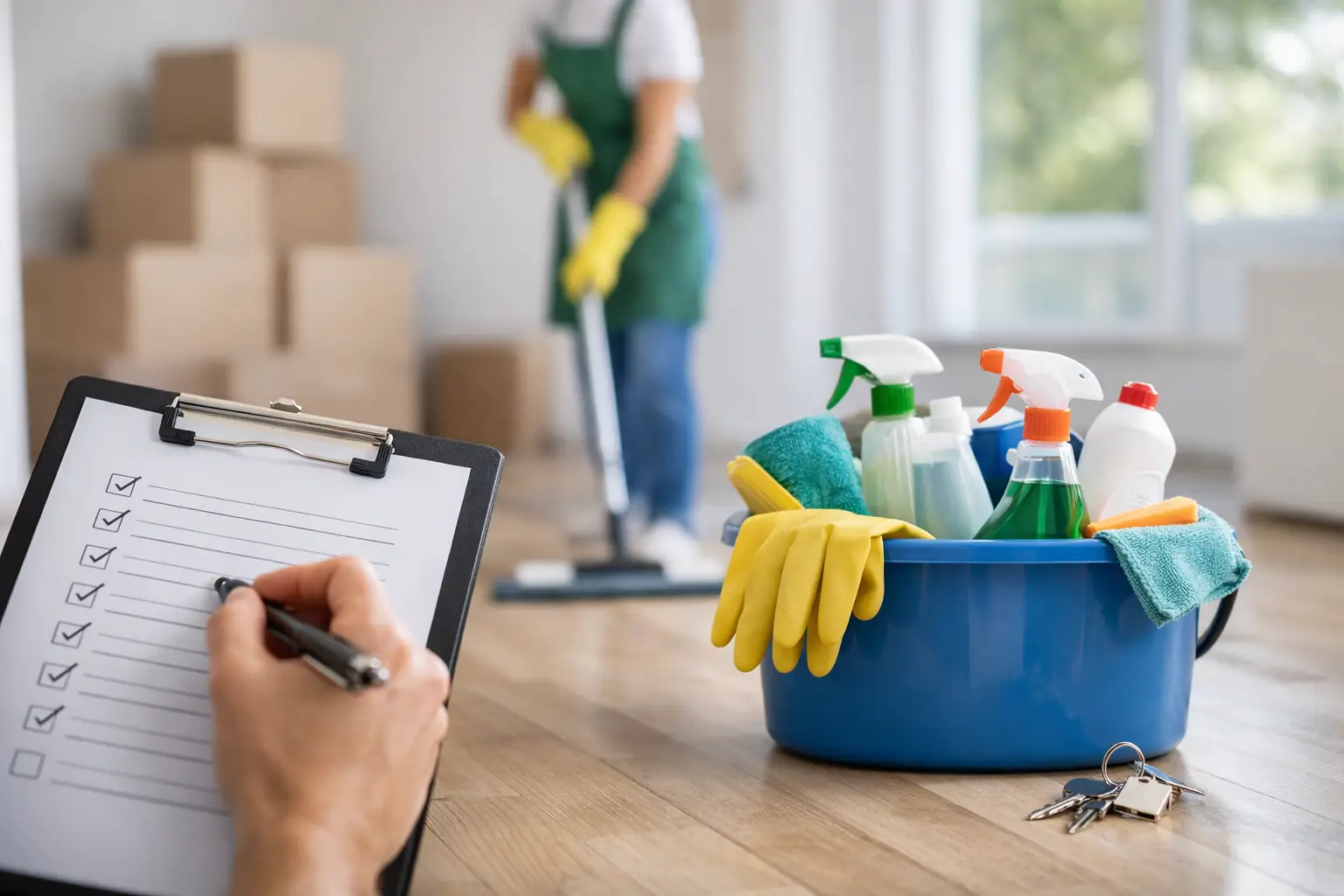
Schedules, site checklists and supervisor reviews help identify whether service levels match the agreed scope. They also make it easier to adjust when a facility changes, such as seasonal traffic increases, fit-outs, illness outbreaks or higher occupancy. Without this structure, cleaning quality often depends too heavily on individual habits.
For clients, transparency matters just as much as technical skill. Clear quoting, defined inclusions and realistic frequencies prevent confusion later. A cheaper service can become expensive if corners are cut, tasks are vague or recurring issues are left unresolved.
Choosing the right facility hygiene guide for your site
There is no single template that suits every property. A homeowner may need a manageable routine with periodic deep cleaning support. A landlord or tenant preparing for a move will need inspection-ready results. An office manager may need after-hours cleaning that keeps disruption low while maintaining washrooms, kitchens and shared desks. Schools and hospitals require stricter hygiene controls and trained staff who understand sensitive environments.
This is where a tailored service model has real value. Goldenshine Facility, for example, works across homes, offices and specialised sites in Sydney with customised scopes rather than one-size-fits-all packages. That approach makes sense because facility hygiene is shaped by use, risk and expectations, not just square metreage.
When comparing providers, look beyond price alone. Ask whether staff are insured, whether methods are suited to the site, whether eco-friendly options are available, and how quality is checked over time. A polished result on day one means little if standards drift by week three.
Small warning signs should not be ignored
Most hygiene problems announce themselves early. Persistent odours, dusty vents, stained grout, recurring mould, pest activity, slippery floors or complaints about bathrooms are all signs that the current routine is not keeping up. Waiting until a property looks obviously neglected usually means the underlying issue has been there for some time.
Acting early is usually more cost-effective and less disruptive. It protects presentation, supports occupant wellbeing and reduces the chance of larger remediation work later. That is true whether you manage a family home, a rental property or a busy commercial site.
A well-run facility feels clean before anyone stops to think about it. That quiet confidence is the real benchmark. When hygiene is planned properly, people notice the result in the way a space smells, functions and reflects the standards behind it.