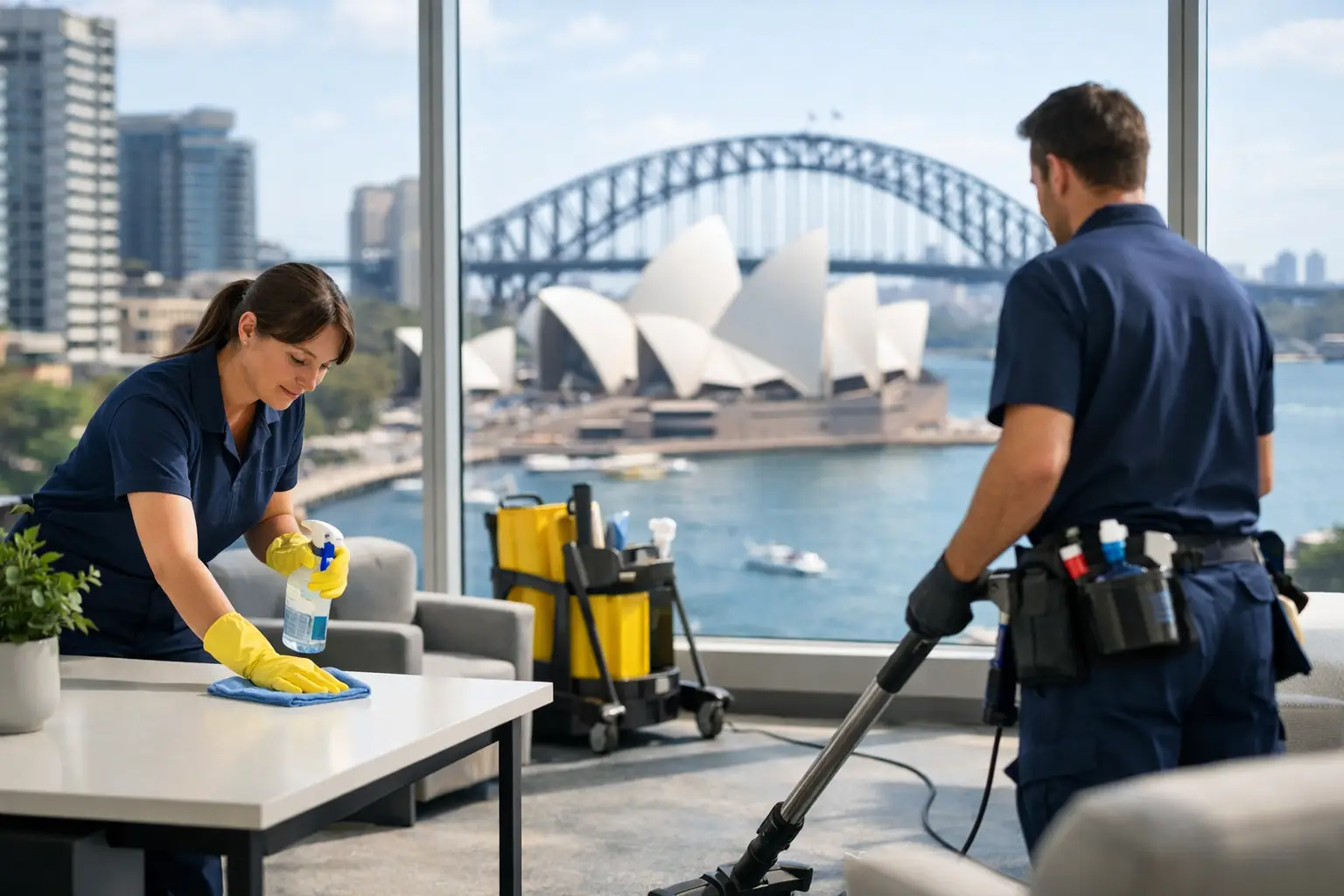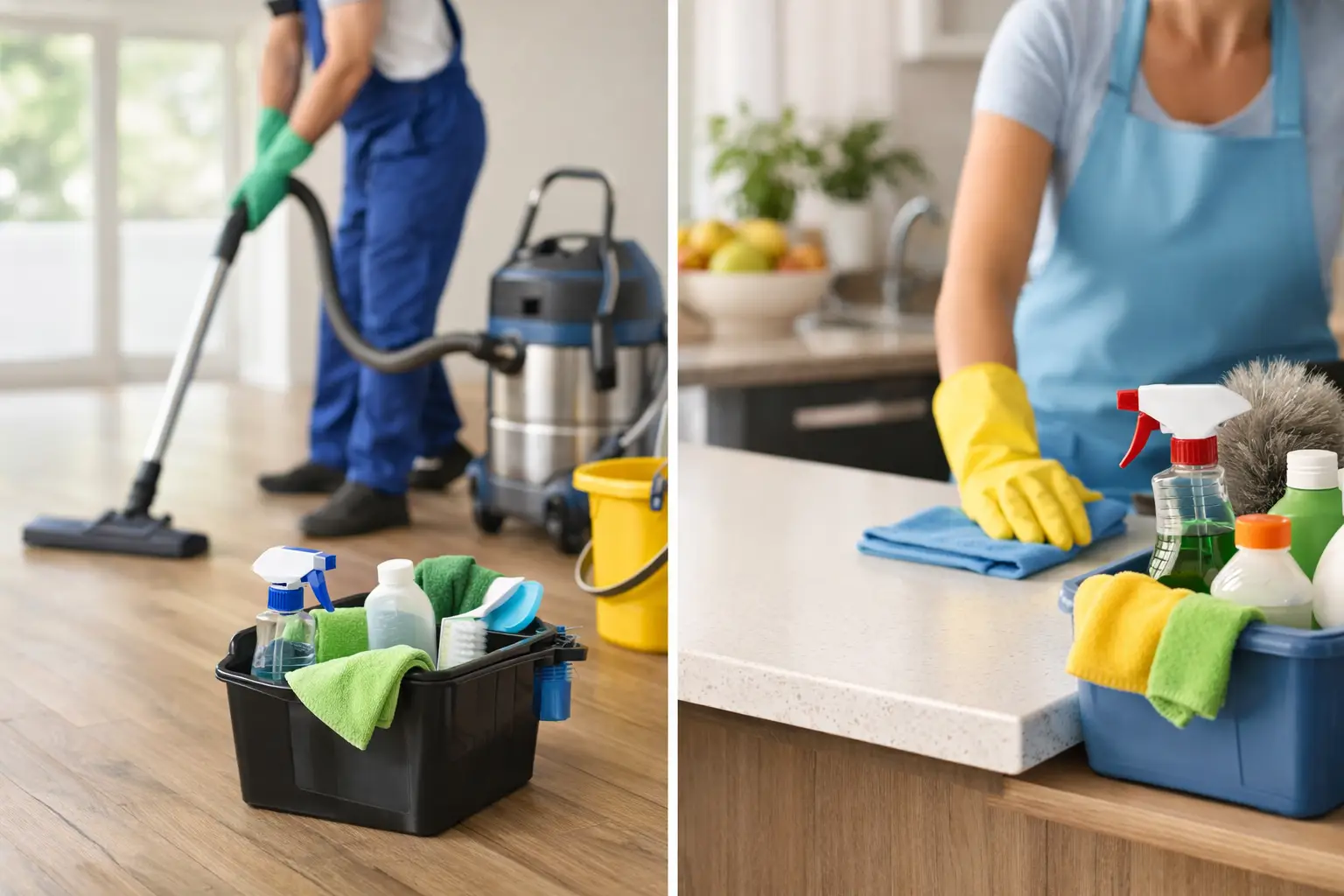




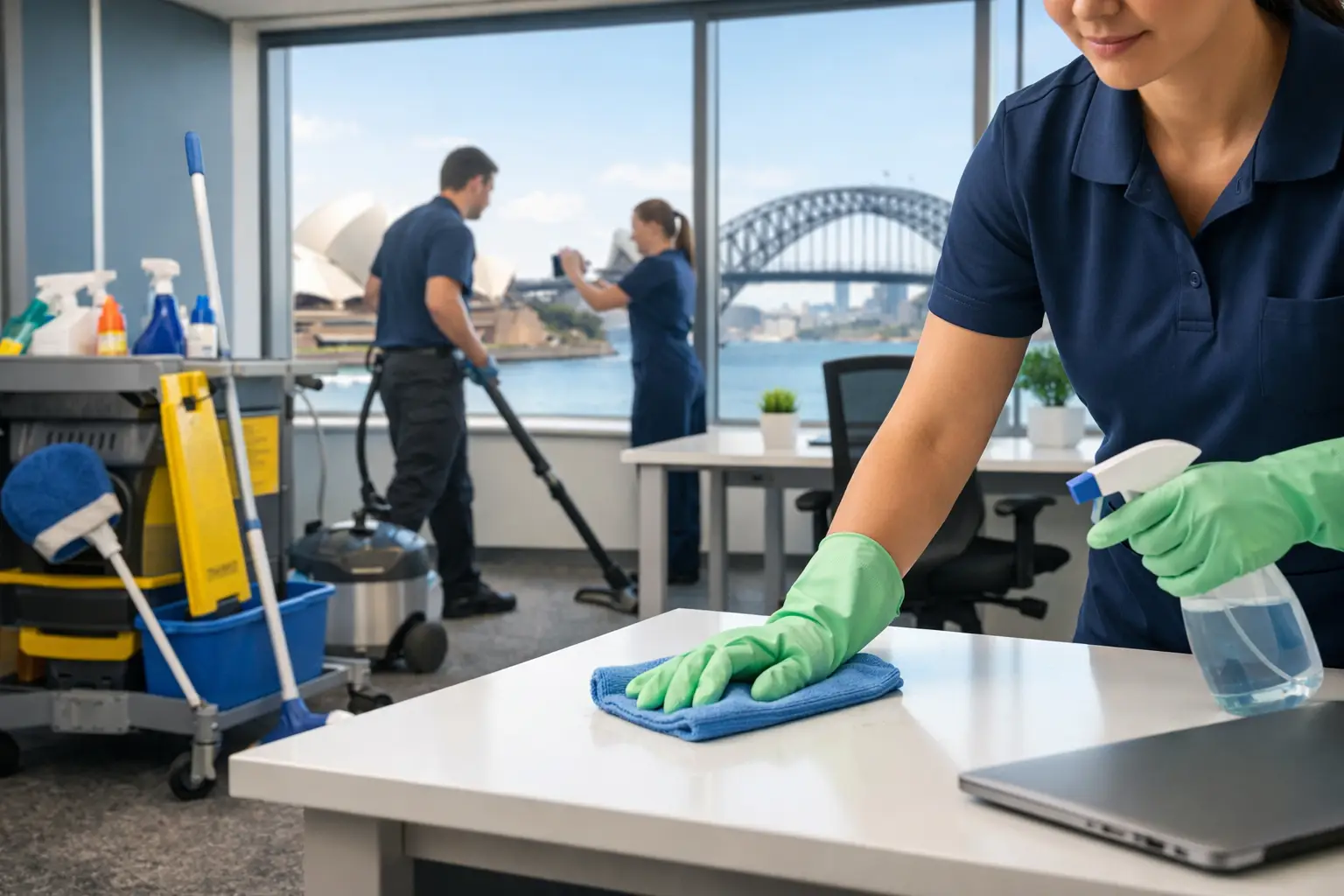

A clean workplace tells people a lot before a word is spoken. Clients notice the reception area, staff notice the amenities, and everyone notices when bins overflow, floors mark easily, or washrooms slip below standard. This commercial cleaning guide is designed for Sydney business owners, property managers, and facility teams who need more than a quick tidy-up. They need a practical standard that supports presentation, hygiene, and day-to-day operations.
Commercial cleaning is not one service with one fixed checklist. An office suite in the CBD, a medical practice in the suburbs, and a school campus all need different methods, frequencies, and compliance controls. The right plan protects your reputation, reduces disruption, and keeps the space consistently fit for purpose.
What a commercial cleaning guide should help you decide
The first question is not simply how often cleaning should happen. It is what your premises need to achieve. For some businesses, the priority is a polished appearance for customers and visitors. For others, it is infection control, washroom hygiene, or keeping high-traffic flooring presentable through heavy use.
A useful commercial cleaning guide should help you define three things clearly. The first is scope, which covers exactly what areas and tasks are included. The second is frequency, which determines what happens daily, weekly, monthly, and seasonally. The third is accountability, which means knowing who checks the work, how issues are reported, and how standards are maintained over time.
Without those three elements, many businesses end up with inconsistent results. Cleaning may look acceptable after a visit, but touchpoints are missed, washrooms deteriorate between services, or carpets and hard floors wear faster than expected.
Start with the needs of the site
Every commercial site has its own traffic patterns, risk points, and presentation standards. A professional office may need quiet after-hours cleaning with strong attention to desks, glass, kitchens, and bathrooms. A retail space may need more frequent floor care and entry cleaning because foot traffic tracks in dirt quickly. Healthcare and education settings require tighter procedures, more attention to sanitisation, and stricter quality checks.
It also matters how the building is used across the week. Some sites are busiest Monday to Friday. Others have weekend trade, evening functions, or rotating shifts. A cleaning plan should match actual occupancy rather than a generic package.
That is why tailored service plans usually deliver better value than fixed inclusions. You are not paying for tasks you do not need, and you are less likely to miss the tasks that matter most to your staff, visitors, and tenants.
High-traffic areas need a different standard
Entrances, lifts, shared corridors, kitchens, toilets, and meeting rooms typically carry the biggest visual and hygiene burden. These zones should be prioritised because they influence how the entire premises is perceived. Even in a tidy office, one neglected washroom can undermine confidence in the whole site.
High-touch surfaces also deserve close attention. Door handles, light switches, taps, handrails, shared desks, and appliance handles can collect contamination quickly. In some environments, sanitisation is as important as visible cleanliness.
Specialised spaces need trained cleaners
Not all cleaners are equipped for every site. Medical clinics, schools, industrial areas, and post-construction environments each require different procedures, products, and safety awareness. If your premises includes carpeted offices, tiled wet areas, external hard surfaces, or waste management zones, the scope may also need specialist equipment and trained staff.
This is where experience matters. A dependable commercial cleaner should understand not only how to clean a space, but how to clean it without interfering with operations, damaging surfaces, or creating unnecessary risk.
Building the right cleaning schedule
A realistic schedule separates essential routine work from deeper periodic tasks. Daily cleaning usually covers bins, kitchens, bathrooms, vacuuming, mopping, touchpoint sanitisation, and general presentation. Weekly or fortnightly tasks may include more detailed dusting, internal glass, skirting boards, and spot treatment for walls or partitions.
Then there are the less frequent but still important services. Carpet steam cleaning, machine scrubbing of hard floors, high-pressure cleaning of outdoor areas, deep kitchen cleaning, and detailed upholstery care may be needed monthly, quarterly, or on a site-by-site basis.
The mistake many businesses make is pushing these tasks too far apart to save money. That can work for a while, but buildup eventually becomes harder and more expensive to remove. A balanced schedule generally costs less over time because it preserves materials and prevents standards from slipping.
Budget matters, but cheap quotes can cost more
Price always matters, especially for multi-site operators and businesses managing tight overheads. Still, cleaning quotes should be judged on value rather than headline cost alone. A lower quote may exclude consumables, supervision, specialised equipment, or quality checks. It may also allow too little time for cleaners to complete the work properly.
When reviewing a quote, look closely at what is included, how often each task is completed, and whether the provider has allowed for your operating hours and compliance needs. Transparent quoting should make it easy to see the scope, not leave room for assumptions.
It also helps to ask how variations are handled. If your business needs a one-off deep clean, emergency spill response, rubbish removal, or added services during a busy period, the provider should be able to respond without making the process difficult.
Standards, safety, and quality control
A professional cleaning service should improve safety, not create new problems. Wet floors, incorrect chemical use, poor equipment handling, and cross-contamination all create avoidable risk. In shared or regulated environments, these issues can quickly become serious.
That is why insured, trained staff and clear site procedures matter. Cleaners should understand safe chemical use, appropriate colour-coded systems where relevant, and how to work around staff, visitors, and contractors. They should also know when a site requires extra care, such as during illness outbreaks, flood recovery, or mould treatment.
Quality control is just as important as the cleaning itself. Reliable providers usually have supervisors, checklists, reporting systems, and a process for resolving issues quickly. Consistency is what turns a cleaning service from a supplier into a trusted facility partner.
How to choose a commercial cleaning provider
Choosing a provider is not just about capability on paper. It is about whether they can support your site consistently over time. A family-owned operator with strong systems can often deliver a more responsive service than a larger provider relying on rigid templates. What matters is communication, reliability, and whether the team is prepared to customise the plan around your premises.
Ask practical questions. Can they clean outside business hours? Are they experienced in your type of facility? Do they provide eco-friendly options? How do they handle complaints, urgent call-outs, and periodic specialist work? If the answers are vague, that is usually a warning sign.
For Sydney businesses, local coverage also matters. Travel delays, staffing gaps, and poor schedule planning can affect service consistency. A provider that knows the area and works across surrounding suburbs is often better placed to respond quickly and keep standards steady.
Signs your current arrangement is falling short
Sometimes the need for a new provider is obvious. Sometimes it shows up slowly through recurring complaints, tired-looking floors, unpleasant odours, or washrooms that never quite feel fresh. Another common sign is when your staff start taking on cleaning tasks that should already be covered.
If you are chasing cleaners for updates, explaining the same issues repeatedly, or seeing different standards from one visit to the next, the arrangement may no longer be serving your business. Cleaning should reduce stress, not add another layer of management.
Why a customised plan works better
The best results usually come from a plan built around your building, traffic, risk level, and presentation goals. That may include daily office cleaning, scheduled carpet steam cleaning, seasonal deep cleaning, or more specialised support for schools, clinics, and multi-tenant sites. Goldenshine Facility follows this tailored approach because it delivers clearer expectations and more dependable outcomes than a one-size-fits-all package.
A customised plan also gives you room to adjust. Businesses change. Teams grow, tenancy patterns shift, and busy periods place more pressure on shared spaces. Your cleaning service should be able to scale with those changes rather than forcing your site into a fixed routine that no longer fits.
A well-managed workplace should feel clean, safe, and ready for business every day, not just after a once-over. When your cleaning standard matches the way your site actually operates, the difference shows in presentation, staff confidence, and the way people experience your space. Start with what your premises truly needs, and the right plan becomes much easier to see.