




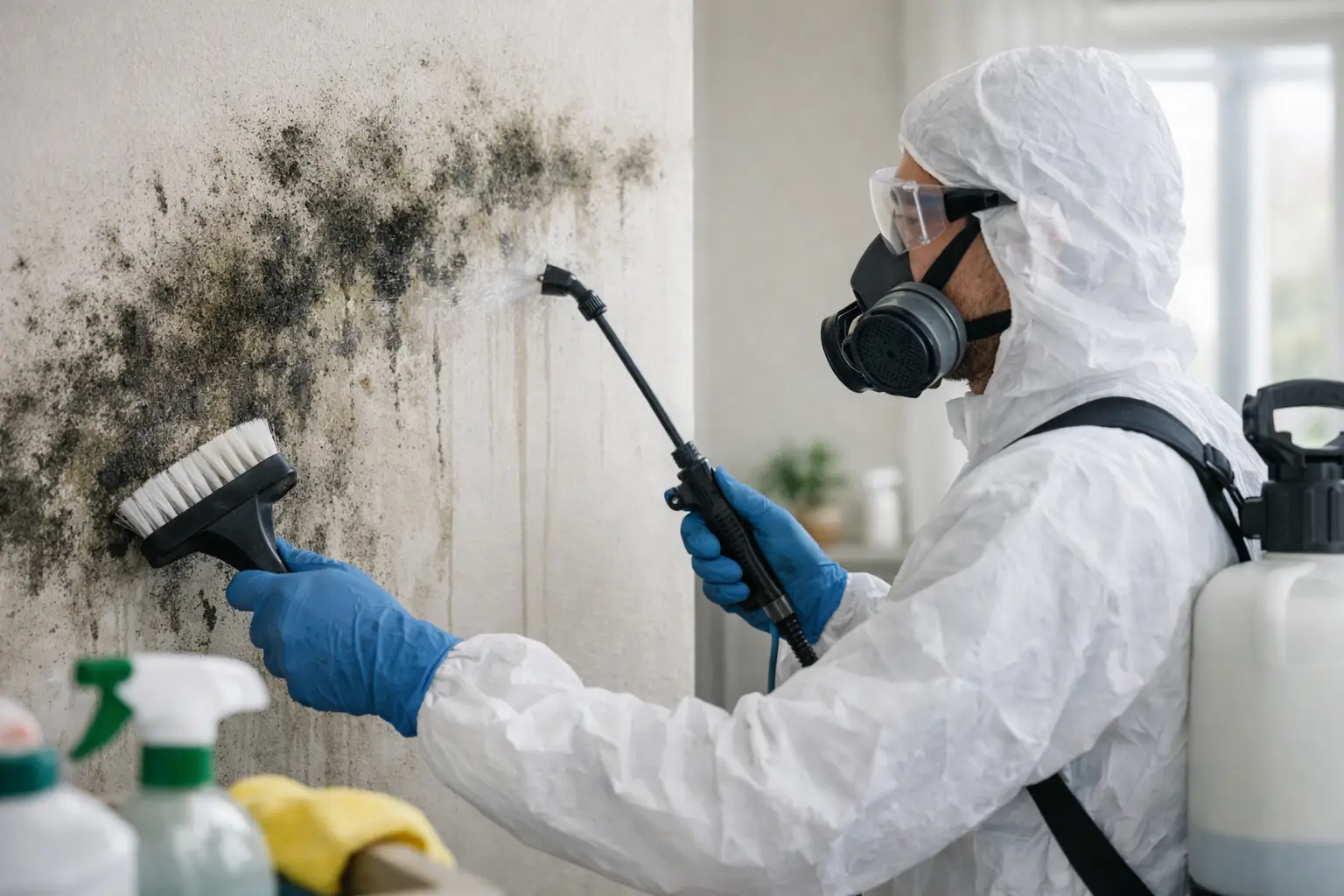

A musty smell in the wardrobe, dark spotting along the bathroom ceiling, paint that starts to bubble near a window – mould rarely stays a small problem for long. For homeowners, tenants, landlords and business operators, mould treatment services Sydney clients rely on are not just about cleaning what you can see. They are about restoring a healthier indoor environment and stopping the issue from returning.
Sydney properties face a mix of conditions that make mould common. Coastal humidity, poor ventilation, water ingress, condensation and even everyday habits such as drying clothes indoors can all create the right environment for growth. Once mould takes hold, surface sprays and quick wipe-downs often deal with appearance rather than cause. That is where professional treatment makes a real difference.
Why mould needs proper treatment
Mould is not simply a cosmetic issue. It can affect air quality, damage walls, ceilings, grout, carpets and furnishings, and create an ongoing maintenance problem if moisture is left unresolved. In homes, that can mean discomfort for families and frustration for tenants trying to keep a property presentable. In commercial spaces, schools and healthcare settings, it can raise concerns around hygiene standards, presentation and occupant wellbeing.
The challenge is that visible mould is often only one part of the problem. Spores can settle into porous surfaces, spread through damp areas and reappear after a basic clean. If the source is a leaking pipe behind a wall, poor bathroom extraction or inadequate airflow in a storeroom, removal alone will not solve it. Professional treatment focuses on both remediation and prevention.
What causes mould in Sydney properties
No two mould issues are exactly the same, which is why tailored service matters. In Sydney, some of the most common triggers are persistent humidity, insufficient ventilation, roof or plumbing leaks, rising damp, condensation around windows and poorly dried flood or spill areas. Rental properties can also develop mould when maintenance issues and day-to-day moisture build-up combine over time.
Apartments often deal with condensation and limited airflow. Freestanding homes may be more exposed to roof leaks or subfloor moisture. Commercial premises can have problems linked to air-conditioning systems, washrooms, kitchens or storage areas. The cause affects the treatment plan, so a reliable provider should assess the environment before quoting a fixed solution.
When to call mould treatment services Sydney professionals
There is a point where DIY cleaning stops being practical. Small, isolated marks on non-porous surfaces may respond to careful cleaning, but recurring mould, widespread growth or mould linked to water damage should be professionally assessed. The same applies when odour lingers even after cleaning, or when occupants are noticing repeated flare-ups in the same room.
For landlords and property managers, fast action is especially important. Delays can lead to greater surface damage, tenant complaints and higher restoration costs later. For businesses, visible mould can affect how clients, staff and visitors view the space. In regulated environments such as schools or healthcare facilities, hygiene expectations are even higher.
If mould is appearing on ceilings, inside cupboards, around air-conditioning vents, under carpet edges or along internal walls, it usually points to a deeper moisture issue. That is not something a supermarket spray can reliably fix.
What quality mould treatment should include
A professional service should be clear, methodical and based on the condition of the site. The first step is typically inspection. This identifies the affected areas, the likely source of moisture and the extent of visible contamination. From there, treatment can be tailored to the material involved and the severity of the problem.
In many cases, proper mould treatment includes safe removal of affected growth, cleaning of surrounding surfaces, attention to airborne contamination risks and recommendations to reduce recurrence. Some jobs also require deodorisation, deep cleaning of soft furnishings or carpet treatment where spores may have settled.
Just as important is honest communication. Clients should know what can be treated, what may need replacement if materials are too badly damaged, and what environmental conditions need to change for a lasting result. A dependable provider will not promise permanent success while ignoring ventilation, leaks or humidity control.
Mould treatment services Sydney homes and businesses actually need
The right service depends on the type of property and how the space is used. In a family home, the priority may be making bedrooms, bathrooms and living areas safer and more comfortable. For renters, it may be restoring a clean standard before an inspection or addressing a recurring problem with the property manager. For landlords, the focus is often protecting asset condition and keeping the property tenant-ready.
Commercial sites need a slightly different approach. Offices may require after-hours scheduling to limit disruption. Schools and childcare environments need careful attention to hygiene and safety. Healthcare and aged care facilities demand controlled, professional execution with strong cleaning standards. In each case, the goal is the same – remove contamination responsibly and improve the condition of the environment without creating unnecessary downtime.
This is why fixed, one-size-fits-all packages are not always the best fit. A small ensuite with isolated mould needs a different response from a large office with moisture issues across multiple rooms. Tailored planning leads to better results and more accurate quoting.
Why experience and process matter
Mould work needs more than good intentions. It requires trained staff, suitable treatment methods and a practical understanding of how cleaning interacts with building conditions. The quality of execution matters because aggressive scrubbing can damage finishes, while incomplete treatment can leave spores behind and allow rapid regrowth.
Professional teams also bring a wider site perspective. If mould is part of a broader cleanliness issue, such as damp carpet, neglected bathrooms or post-tenant build-up, combining services can be more efficient than addressing problems one by one. A provider with experience across residential, commercial and specialised environments is often better equipped to spot linked issues and recommend the most effective scope of work.
Goldenshine Facility approaches mould treatment with that wider standard in mind – combining customised service plans, transparent quoting and professional cleaning capability across Sydney properties. For clients, that means a clearer process and a service built around actual site conditions rather than assumptions.
How to choose the right provider
If you are comparing mould treatment services, look beyond price alone. The cheapest quote may only cover a basic surface clean, while a more thorough service includes inspection, treatment of affected materials and guidance on prevention. Ask whether the team is insured, how they assess moisture-related causes, and whether they can work around your schedule if the site is occupied.
For residential clients, reliability and clear communication matter just as much as technical skill. You want to know when the team will arrive, what areas will be treated and what you should expect afterwards. For commercial clients, responsiveness, documentation and minimal operational disruption are often key decision factors.
A trustworthy provider should also be realistic. Some mould issues can be resolved quickly. Others require repairs, ventilation changes or repeated moisture management to prevent return. The best service partners are transparent about that from the start.
Preventing mould after treatment
Treatment is only part of the solution if moisture remains unchecked. In bathrooms and laundries, consistent ventilation makes a noticeable difference. In kitchens, steam and condensation should not be left to settle. Leaks should be repaired promptly, and wet areas need to be dried properly after flooding, plumbing issues or heavy water use.
For tenants and homeowners, simple habits can help, such as opening windows when weather allows, using exhaust fans and avoiding long-term dampness in cupboards or behind furniture. For businesses, routine cleaning and maintenance checks can identify developing problems before they become larger remediation jobs.
That said, prevention is not always straightforward. Some buildings are naturally more prone to condensation, and some rooms have limited airflow by design. When mould keeps returning despite reasonable upkeep, professional assessment becomes the sensible next step.
Mould has a way of making a space feel neglected, even when the rest of the property is well kept. The good news is that with the right treatment and a clear plan to address underlying moisture, the problem can be managed properly. If your home, rental or facility is showing signs of recurring growth, acting early is often the difference between a contained service call and a far more expensive repair later.