




Few property issues escalate as quickly as pests. One sighting in the kitchen, storeroom or ceiling cavity is rarely just a one-off, which is why pest control services Sydney residents and businesses rely on need to be fast, thorough and suited to the property itself.
In a city as varied as Sydney, pest pressure changes from suburb to suburb and season to season. Coastal moisture, older buildings, dense apartment living, food handling areas and high foot traffic all create different risks. A family home in the Inner West does not need the same treatment plan as a medical facility, café tenancy or warehouse in Western Sydney. That is exactly why fixed, one-size-fits-all treatments often miss the mark.
Why pest issues in Sydney need a tailored approach
Pest activity is shaped by more than cleanliness alone. Even very well-kept homes and workplaces can attract cockroaches, ants, spiders, rodents and other unwanted intruders when there is easy access to water, warmth, shelter or food. In commercial spaces, the pressure is even higher because pests can affect hygiene standards, staff confidence, customer perception and compliance requirements.
Sydney properties also present practical differences that matter during treatment. Some buildings have tight roof voids, shared walls, ageing seals around doors and windows, or outdoor areas that hold moisture after rain. Others need low-disruption service outside normal hours. The right provider looks at the whole environment, not just the pest you can currently see.
That is where professional assessment becomes valuable. Instead of treating the symptom only, a proper service identifies likely entry points, nesting zones and conditions that allow pests to return. It is a more reliable way to protect both presentation and health standards over time.
What good pest control services Sydney clients should expect
The first sign of a quality service is clarity. You should know what is being treated, how the treatment works, whether preparation is required and what results to expect in the days that follow. Clear quoting matters too. A vague price without scope often leads to confusion later, especially for larger homes, strata properties or commercial premises.
A dependable pest control service should also consider the people using the space. Households may need guidance around children and pets. Offices may need after-hours access. Schools, healthcare settings and tenanted properties may need extra care with scheduling, communication and site safety. Professional execution is not just about applying products. It is about planning the service so the property can keep functioning properly.
Experience across both residential and commercial work is another advantage. A provider that understands different site types can adapt more easily when conditions are less straightforward. That might mean coordinating with a property manager, working around operating hours, or combining pest treatment with broader hygiene support where needed.
Common pests in Sydney homes and businesses
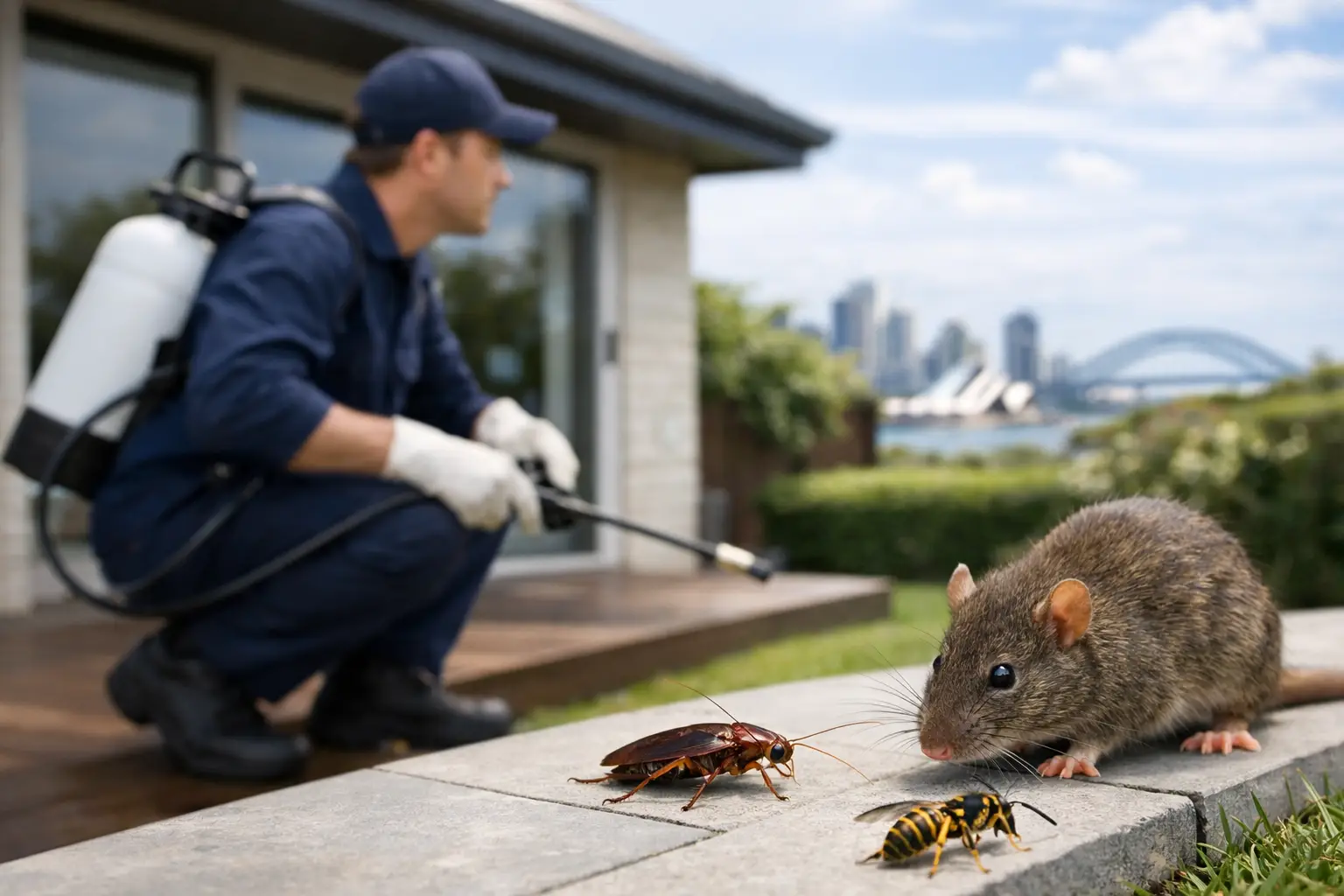
Cockroaches remain one of the most common concerns across Sydney, particularly in kitchens, bathrooms, bins areas and warm plant rooms. They are resilient, quick to spread and difficult to manage without targeted treatment. DIY sprays may kill visible insects, but they rarely deal with harbourage areas or breeding cycles.
Rodents are another major issue, especially in cooler months or in properties near food waste, storage areas and roof spaces. Rats and mice can damage wiring, contaminate surfaces and create ongoing stress for occupants. In commercial settings, a rodent problem can affect both reputation and day-to-day operations very quickly.
Ants, spiders and silverfish are also frequent callouts. While some are more nuisance-related than dangerous, that does not mean they should be ignored. Ant activity often points to easy food access or structural gaps, while silverfish can indicate excess moisture. Spiders tend to increase where insects are already present, so their appearance can signal a broader issue.
Termites are in a different category altogether. They require specialised inspection and treatment planning because the cost of leaving them unchecked can be significant. Not every pest service handles termites in the same way, so this is an area where asking detailed questions is worthwhile.
Residential pest control is about more than convenience
For homeowners, renters and landlords, pest control is often triggered by an immediate problem, but the long-term benefit is peace of mind. A properly treated home feels cleaner, safer and easier to manage. You are not constantly second-guessing what is behind the skirting board, under the sink or in the roof.
For tenants preparing to move, pest treatment can also be part of presenting the property in good order, particularly when combined with end of lease cleaning. For landlords and property managers, timely treatment helps protect the asset and reduce repeated complaints from occupants. The cost of delay is often higher than the cost of acting early.
Busy households also benefit from a service that is straightforward. Good communication, punctual attendance and practical aftercare advice make a real difference. People do not want complicated instructions or hidden conditions. They want the issue handled properly and professionally.
Commercial pest control has higher stakes
In workplaces and public-facing facilities, pests affect more than comfort. They can undermine hygiene protocols, interrupt operations and create risk around inspections, staff wellbeing and customer trust. An office may need discreet treatment with minimal disruption, while a school or healthcare site may require stricter procedures and clearer documentation.
Food-adjacent businesses face especially high expectations. One reported pest issue can damage reputation quickly, even if the rest of the site is well maintained. For this reason, reactive treatment is only part of the picture. Monitoring, prevention and site-specific recommendations are often just as important as the initial visit.
This is where working with a service partner rather than a transactional provider tends to pay off. If a business already values professional cleaning, waste control and presentation standards, pest management should sit within that same operational mindset. At Goldenshine Facility, that broader view supports cleaner, safer spaces across residential and commercial environments alike.
How to choose the right pest control provider
Start by looking for a provider that offers customised plans rather than forcing every property into the same package. Pest issues vary too much for a standard template to suit everyone. A tailored approach is more likely to address the source of the problem and reduce repeat activity.
Insurance, certifications and professional conduct also matter. You are trusting technicians to work inside homes, tenancies and operating facilities, so there should be a clear commitment to safe methods, quality standards and responsible service. If the quote process feels rushed or unclear, that is usually a warning sign.
It also helps to ask how the provider handles follow-up. Some pest problems improve quickly after the first treatment, while others require review depending on the species, property condition and severity of activity. Honest advice is useful here. If a provider promises identical outcomes for every situation, that is rarely realistic.
Preventing pests after treatment
Professional treatment is the foundation, but prevention still plays an important role. Small changes in housekeeping and maintenance can help protect the result. Sealing access points, managing rubbish promptly, fixing leaks, storing food correctly and reducing clutter all make a property less attractive to pests.
That said, prevention is not always simple in busy sites. Shared bins, neighbouring tenancies, old structures and outdoor conditions can all reintroduce pressure. This is why ongoing vigilance matters, particularly for businesses and multi-occupancy properties. The goal is not perfection. It is reducing the factors pests rely on and responding early when something changes.
When to book pest control services Sydney wide
The best time to book is usually before a minor issue becomes a larger one. If you are seeing droppings, damage, nesting material, unusual odours, scratching sounds, insect trails or repeated sightings, it is worth arranging an inspection. Waiting often gives pests more time to spread through wall cavities, roof spaces and storage areas.
There are also moments when preventative booking makes sense, even without obvious signs. Before moving in, before leasing out a property, after renovation work, or when taking over a new commercial tenancy are all sensible times to assess pest risk. Seasonal changes can also bring activity forward, especially during warmer months or after wet weather.
A clean, well-presented property should also be a healthy one. The right pest control service protects both. When treatment is tailored, communication is clear and standards are high, the result is not just fewer pests – it is a space that feels properly looked after.