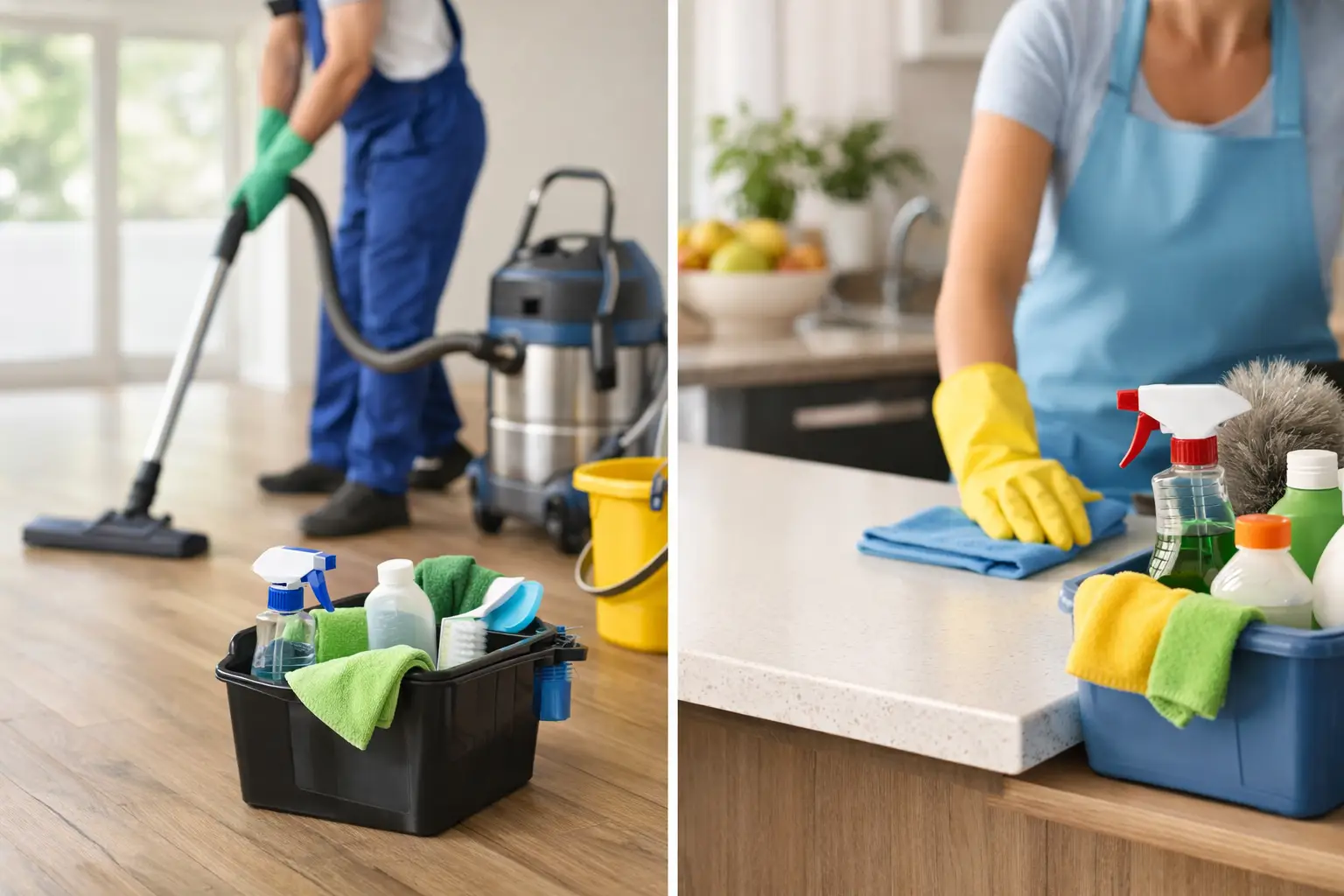






By Thursday afternoon, most offices start to show it. Smudged glass near entry points, kitchen benches with coffee rings, bins filling faster than expected, and meeting rooms that no longer feel client-ready. A weekly office cleaning schedule helps prevent that slow slide in presentation and hygiene. More importantly, it creates a cleaner, healthier workplace without interrupting the flow of business.
For Sydney businesses, the right schedule is rarely a one-size-fits-all checklist. A small professional suite, a busy shared workspace, and a medical-adjacent office all have different traffic patterns, hygiene risks and expectations. The goal is not just to clean more often. It is to clean with purpose, at the right frequency, in the right areas, and with clear accountability.
Why a weekly office cleaning schedule matters
A clean office shapes how staff feel and how visitors judge your business. Reception areas, kitchens and bathrooms create immediate impressions, but the less obvious spaces matter just as much. Dust on vents, fingerprints on touchpoints and neglected flooring all affect the standard of the environment over time.
There is also a practical side. When cleaning is left to chance, businesses tend to over-focus on visible mess and under-manage hygiene. That means desks might get wiped while shared equipment, door handles and kitchen appliances are missed. A structured schedule reduces those gaps and makes quality easier to maintain week after week.
For many workplaces, consistency is the real value. Staff know what to expect, management can spot issues early, and cleaners can work methodically instead of reactively. That is especially useful in offices with rotating attendance, multiple departments or after-hours access requirements.
What to include in a weekly office cleaning schedule
A useful schedule starts with zones, not just tasks. Breaking the office into functional areas makes it easier to assign priorities and frequencies. Most offices will need separate attention for reception, workstations, meeting rooms, kitchens, bathrooms, floors and touchpoints.
Reception and entry areas should be treated as daily-priority spaces even within a weekly plan. These are high-visibility areas where glass, floors and surfaces can quickly affect presentation. Workstations may need lighter routine cleaning, but they still require regular dusting, sanitising of shared desks and careful attention around screens, mobiles and keyboards where appropriate.
Kitchens and bathrooms need the highest hygiene standard. In most offices, these zones need daily service during the work week, not just a once-weekly clean. A weekly office cleaning schedule should still include them, but with built-in frequency notes so no one mistakes a weekly plan for weekly-only attention.
Floors also deserve more nuance than many schedules allow. Carpeted offices may only need vacuuming in low-traffic sections a few times a week, while hard floors near entrances and kitchens may need daily mopping. If wet weather is common, entry points may require extra spot cleaning to manage dirt and safety risks.
A practical weekly cleaning rhythm
The best schedules follow how the office is actually used. Monday often works well for resetting bathrooms, kitchens and shared spaces after the weekend. Midweek is a good time for touchpoint sanitising, internal glass cleaning and detailed floor care in common areas. Friday is ideal for a more thorough presentation clean so the workplace starts the next week in good order.
A typical rhythm might look like this in practice. Daily tasks cover bin emptying, bathroom sanitation, kitchen wipe-downs, vacuuming of main traffic paths, and sanitising of shared touchpoints such as door handles, lift buttons and printer panels. Once or twice during the week, meeting rooms receive more detailed attention, including tables, chairs, screens and internal glass. Weekly tasks then cover skirting boards, low vents, spot wall cleaning, deeper floor treatment and polishing of high-visibility surfaces.
This is where many businesses get it wrong. They treat every area as if it needs the same attention at the same time. In reality, a boardroom used twice a week does not need the same frequency as a staff kitchenette used all day. Matching cleaning effort to usage keeps standards high without wasting time or budget.
How to tailor the schedule to your office
Office size matters, but layout and usage matter more. A compact office with one bathroom and a shared kitchen may need a simple recurring plan. A larger tenancy with multiple amenities, breakout spaces and hot desks needs more structure and clearer task ownership.
Start by looking at foot traffic. Which areas are used by everyone, and which are used occasionally? Then consider hygiene sensitivity. Kitchens, bathrooms and shared equipment should always rank high, even if they look relatively tidy. Finally, think about timing. Some cleaning tasks are best completed after hours, while others can be done discreetly during quieter periods.
It also helps to decide what should sit with your internal team and what should be handled professionally. Staff can usually manage light desk tidying and immediate spills. But consistent floor care, proper bathroom sanitation, waste handling, detailed surface cleaning and quality control are better managed through a structured commercial cleaning service. That division tends to produce better results and fewer grey areas.
Common mistakes that weaken results
One common issue is relying on an informal roster. When cleaning responsibilities are vague, basic tasks are skipped and no one notices until standards drop. Another is focusing too heavily on visible surfaces while neglecting the hidden build-up around furniture edges, under desks and on shared equipment.
Timing can also create problems. Cleaning too early in the day means kitchens and bathrooms are already untidy by mid-afternoon. Cleaning too late without enough scope can lead to rushed work and inconsistent quality. The right schedule balances presentation needs with practical access.
There is also the question of products and methods. Not every surface should be treated the same way. Timber finishes, carpet tiles, stone benchtops and electronic equipment all need appropriate care. A schedule only works if the execution behind it is professional and suited to the materials in your workplace.
When a basic schedule is not enough
Some offices need more than routine weekly maintenance. High staff density, client-facing operations, shared amenities, food preparation areas or seasonal illness periods can all increase cleaning demand. In those settings, the schedule should expand rather than stay fixed out of habit.
That might mean increasing bathroom servicing, adding daytime touchpoint sanitising, or scheduling periodic deep cleaning alongside weekly tasks. Carpet steam cleaning, detailed upholstery care, high dusting and internal window cleaning often sit outside the regular weekly cycle but still play an important role in maintaining the space.
This is where a customised plan becomes far more useful than a fixed package. A dependable provider will assess the site, ask how the office operates, and adjust the scope based on traffic, risk and presentation goals. That approach supports both cleanliness and value, because you are paying for what the space actually needs.
Building a schedule your team will follow
The strongest cleaning schedule is one that is clear, realistic and easy to review. Tasks should be grouped by area, frequency and responsibility. If something is expected daily, it should say so. If something is weekly, it should be tied to a set day or service window.
It also helps to build in checks. A manager or site contact should be able to confirm that key tasks were completed without needing to inspect every corner of the office. This is one reason many Sydney businesses prefer working with experienced commercial cleaners who use structured processes and quality controls rather than ad hoc arrangements.
At Goldenshine Facility, this kind of tailored planning is central to how commercial spaces are serviced. Offices benefit most when cleaning is aligned with real operating needs, not a standard template that ignores layout, staffing and traffic flow.
Choosing the right level of support
If your office only needs light upkeep, a simple weekly plan may be enough. If your workplace has steady traffic, shared amenities and regular visitors, a weekly office cleaning schedule should act as the framework for more frequent attention in the areas that matter most. That distinction is worth getting right. Under-cleaning affects hygiene and presentation, while over-servicing low-use areas can push up costs without improving outcomes.
A professional cleaning partner should be able to explain that balance clearly. Transparent quoting, flexible scheduling and insured, trained staff are not just nice extras. They help ensure the schedule is delivered consistently and safely over time.
A clean office does more than look presentable. It supports staff wellbeing, protects your standards and makes day-to-day operations feel more controlled. When your schedule reflects how the space is actually used, cleaning stops being a recurring problem and starts becoming part of how your business runs well.