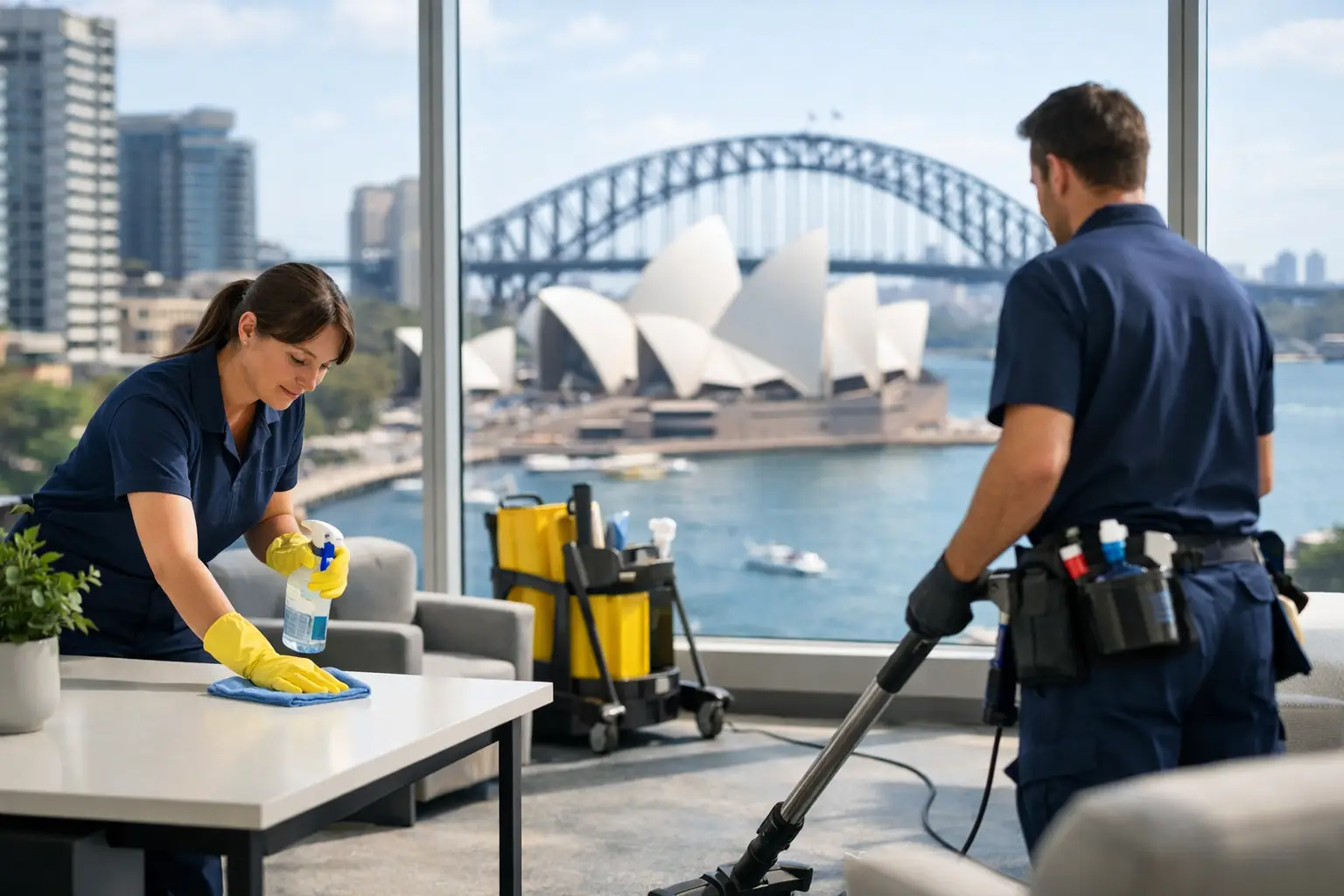





A vacant apartment tells its own story within seconds. Scuffed floors, soap residue in the bathroom, dust on skirting boards, and lingering odours can make a property feel neglected before a prospective tenant has even reached the second room. Apartment cleaning for landlords is not just about presentation – it is a practical step that protects rental income, supports faster leasing, and helps maintain the standard of the asset over time.
For landlords and property managers in Sydney, cleaning sits at the point where appearance, hygiene, and return on investment meet. A well-cleaned apartment photographs better, inspects better, and feels easier to move into. That matters whether you are preparing for a new tenancy, finalising an end of lease handover, or lifting the standard of a property that has been vacant for longer than expected.
Why apartment cleaning for landlords matters
In a competitive rental market, tenants notice detail. They may not comment on spotless light switches or polished taps, but they will notice grease in the kitchen, mould in grout lines, or a stale smell in a closed-up bedroom. Those signs influence how people judge the property as a whole.
For landlords, the cost of professional cleaning is often modest compared with the cost of an extra vacant week, a lower rental price, or repeated complaints after move-in. Cleaning also supports asset care. Built-up grime on shower screens, hard water marks on fittings, food residue in cupboards, and dust around vents can all become harder and more expensive to address if left too long.
There is also a trust factor. A clean apartment signals that the property has been properly prepared and professionally managed. That can improve the tenant experience from day one and set the tone for how the home should be maintained during the lease.
What landlords usually need cleaned
Not every apartment requires the same level of service. Some need a routine refresh after a tidy tenancy. Others need a deeper reset after pets, heavy cooking, stains, moisture issues, or extended vacancy. The right scope depends on condition, timeline, and the expectations attached to the next inspection or handover.
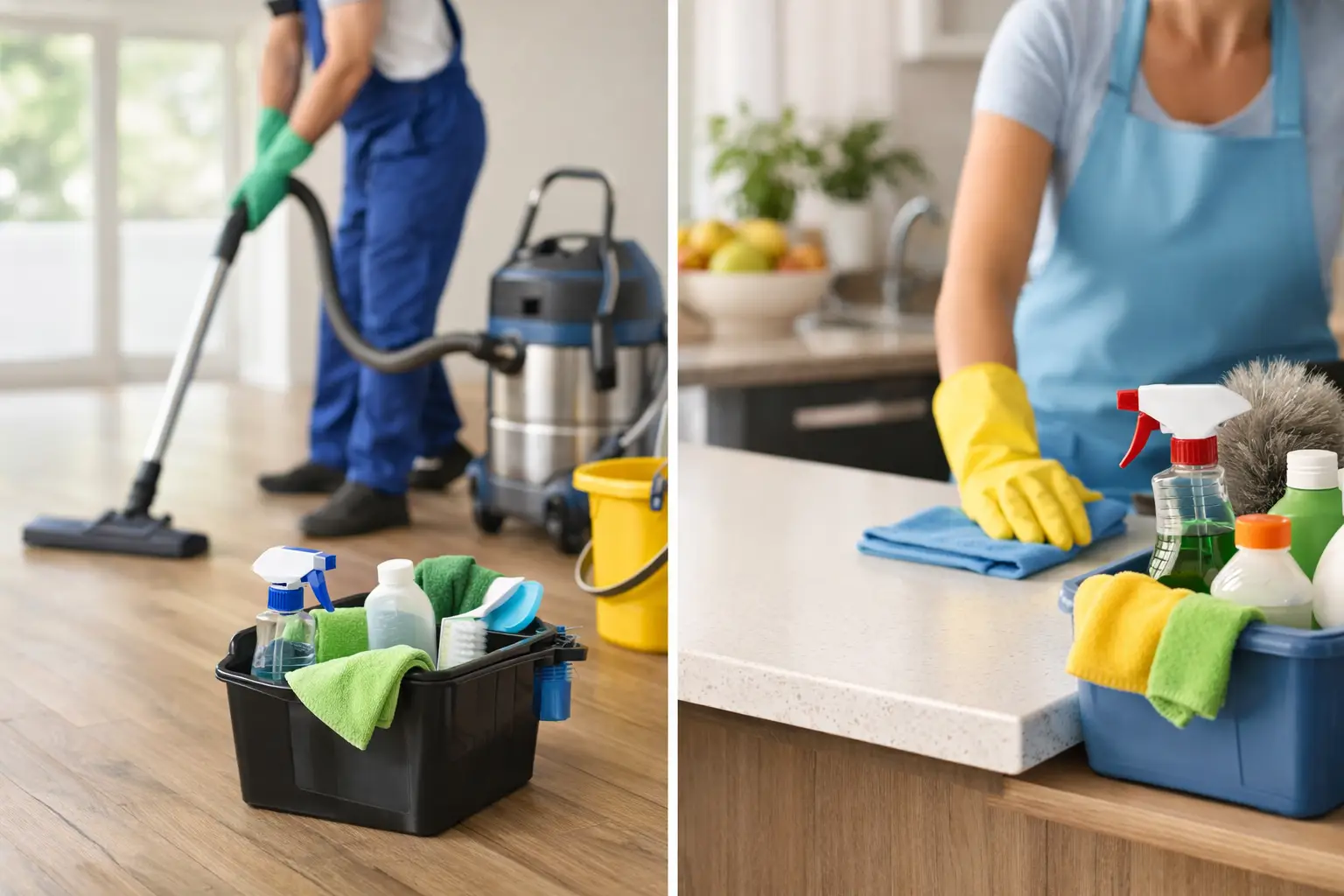
In most cases, the priority areas are kitchens and bathrooms first, then floors, internal glass, wardrobes, and high-touch surfaces. Kitchens often need more than a quick wipe-down. Grease settles on splashbacks, rangehood filters, cupboard fronts, and the tops of overhead cabinets. Bathrooms can hold hidden build-up around shower tracks, taps, toilet bases, and grout. If these areas are not handled properly, the apartment may still look tired even after general tidying.
Bedrooms and living spaces should feel fresh rather than simply empty. Dust on blinds, marks on walls, fingerprints on doors, and lint along skirting boards can all affect how clean the apartment feels. Where carpet is involved, steam cleaning may be appropriate, particularly if there are stains, odours, or lease obligations to meet.
The difference between basic cleaning and end of lease standard
This is where many landlords run into avoidable issues. A standard clean is designed to improve presentation and hygiene for general upkeep. An end of lease clean is more detailed and usually expected to address areas that are not part of routine weekly cleaning.
If a tenant has vacated and the apartment is about to be remarketed, a deeper service is often the better choice. It helps avoid the common problem where a property looks acceptable at a glance but fails during closer inspection. Oven interiors, window tracks, exhaust fans, tile grout, inside cupboards, and marks behind doors tend to be the areas that separate an ordinary clean from a move-ready result.
It also depends on the condition left behind. If the property has had strong cooking odours, pet hair, mould spots, or neglected bathrooms, a quick clean will rarely be enough. In those cases, tailoring the service is more effective than booking a fixed package that may miss what the apartment actually needs.
Timing matters more than most landlords expect
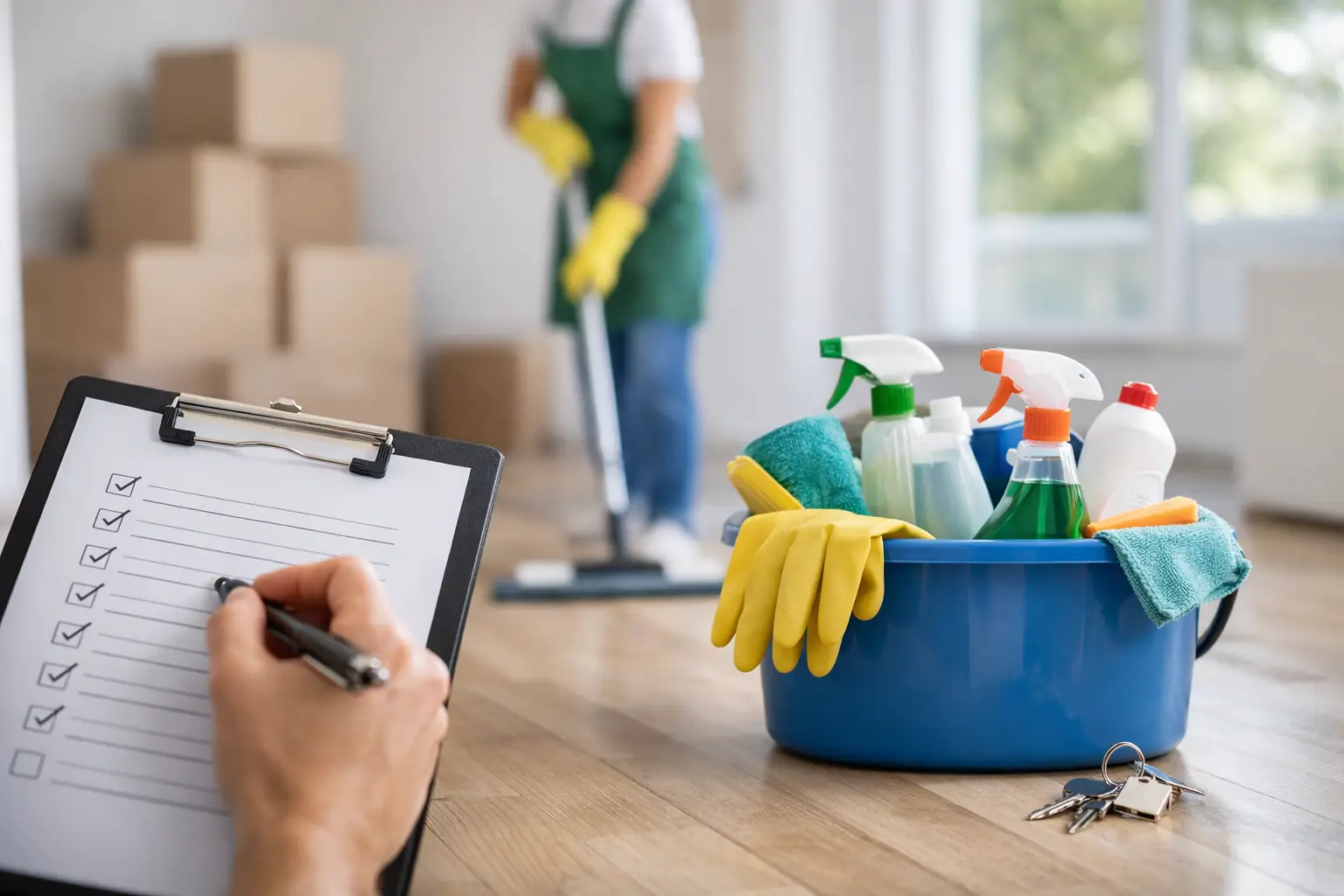
Cleaning is often left until the final stage, but it works best when planned as part of the turnover process. If maintenance, painting, pest control, rubbish removal, or carpet cleaning are also required, the order matters.
As a rule, rubbish should be removed first, repairs should be completed before final cleaning, and carpets should usually be cleaned after dusty work is finished. If windows, pressure cleaning for balconies, or mould treatment are needed, these should be factored into the schedule early. Otherwise, one service can undo the finish of another.
Fast turnaround is often essential in Sydney rentals, especially where inspections are already booked. A responsive cleaning team with flexible scheduling can help reduce vacancy pressure and keep the handover moving without cutting corners.
What professional apartment cleaning should include
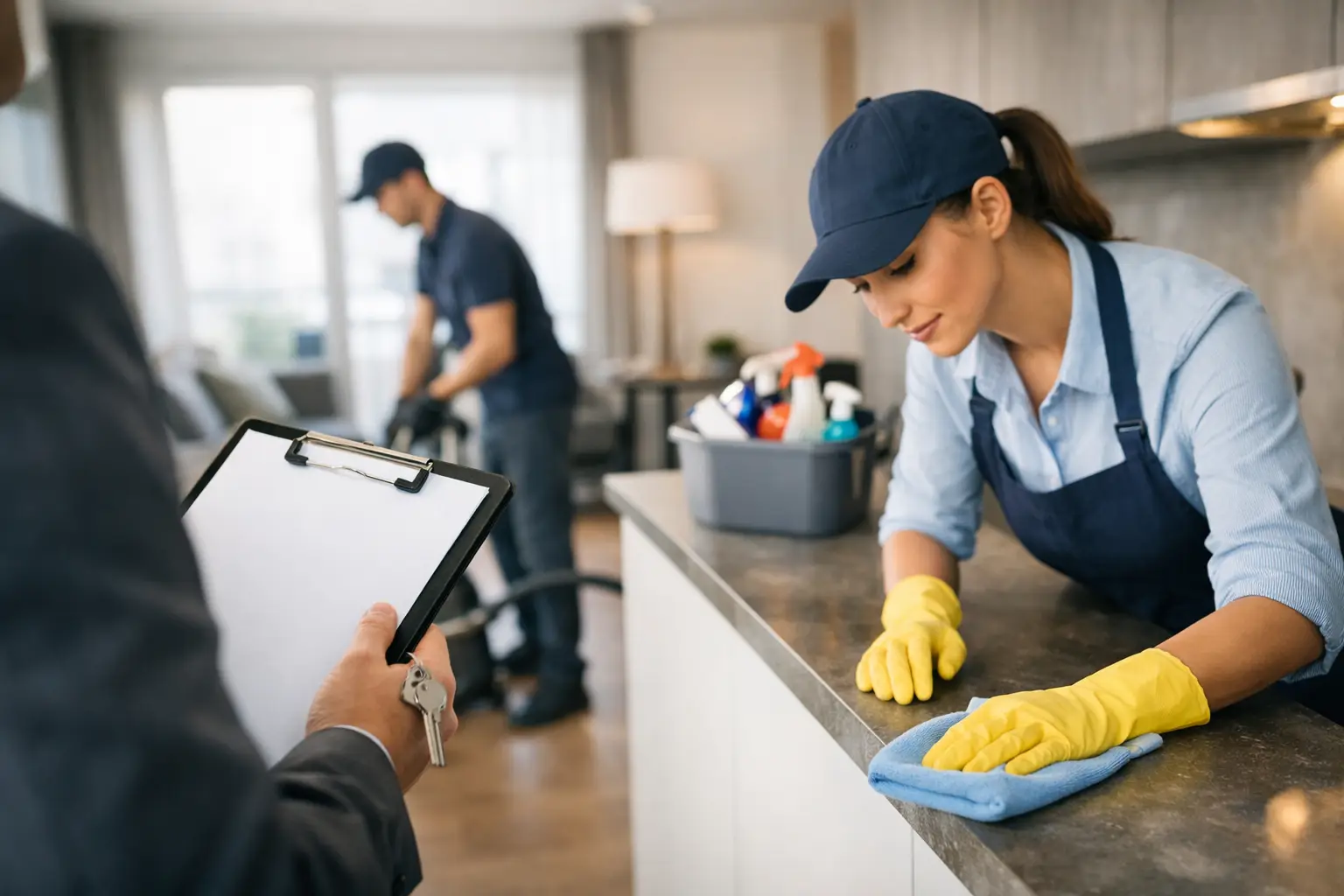
A dependable cleaning service should do more than send a team with products and a checklist. For landlords, the real value is in clear scoping, reliable attendance, and results that stand up to inspection.
That means the property should be assessed based on its actual condition, not squeezed into a one-size-fits-all package. A studio apartment with minimal wear and a large two-bedroom apartment with balcony grime, carpet staining, and bathroom mould are not the same job. Transparent quoting matters because landlords and property managers need to know exactly what is included, what is excluded, and whether any specialised treatment is recommended.
Professional execution also matters. Certified and insured cleaners, quality control, and the use of eco-friendly products where suitable can make a meaningful difference, especially in occupied buildings or where sensitive surfaces are involved. Strong presentation should never come at the expense of safety or damage to finishes.
Common trouble spots landlords should not overlook
Some areas are easy to miss during a quick inspection but stand out immediately to new tenants. Light fittings collect insects and dust. Window sills and tracks trap grime. Ceiling corners can show cobwebs. Air vents accumulate dust that affects both appearance and indoor freshness. Balconies often hold dirt, leaves, and marks that make the apartment feel less cared for, even when the interior is clean.
Odour is another issue that deserves attention. Smell can come from carpets, drains, bins, soft furnishings left behind, or moisture in bathrooms and laundries. Masking it with fragrance rarely works for long. It is better to identify the source and treat it properly.
If there has been mould, pest activity, or heavy rubbish left behind, cleaning alone may not fully resolve the problem. A broader service response may be needed to bring the apartment back to a proper standard.
Choosing the right cleaning partner
For landlords, reliability is as important as the clean itself. You need a team that arrives when booked, communicates clearly, and understands the difference between a cosmetic tidy-up and a property-ready result. That is especially true when you are managing multiple apartments, coordinating with an agent, or working to a tight leasing deadline.
A family-owned provider with local knowledge, tailored service plans, and transparent quoting can offer a more dependable experience than a generic cleaning operator. Goldenshine Facility, for example, focuses on customised cleaning solutions across Sydney rather than rigid packages, which is often the better fit for landlord work where no two properties present the same way.
It is also worth asking practical questions. Is the team insured? Are they experienced with end of lease standards? Can they combine cleaning with carpet steam cleaning, rubbish removal, mould treatment, or pest control if needed? Can they work around access windows in apartment buildings? These details affect both outcome and convenience.
A clean apartment supports better tenancy outcomes
Landlords sometimes view cleaning as a finishing touch. In reality, it is part of the leasing strategy. A clean apartment can support stronger first impressions, smoother inspections, fewer complaints at move-in, and a better standard of presentation for photography and open homes.
It can also help preserve the condition of fixtures and surfaces over time. Regular professional attention prevents build-up from becoming deterioration, which is where maintenance costs start climbing. While every property has different needs, the principle is consistent – cleanliness protects both the experience of the tenant and the value of the investment.
If you are preparing an apartment for its next chapter, treat cleaning as one of the practical jobs that makes every other part of the process easier. When the property feels fresh, hygienic, and genuinely ready to live in, the difference is obvious from the front door.