





A waiting room can look spotless and still fall short of proper hygiene standards. In a medical setting, appearance matters, but infection control matters more. That is why understanding medical centre cleaning requirements is not just about keeping premises tidy – it is about supporting patient safety, protecting staff, and keeping day-to-day operations running without avoidable risk.
For practice owners, managers, and facility teams, the challenge is that cleaning in a medical centre is not the same as cleaning a standard office or retail site. There are more touchpoints, stricter expectations, and less room for inconsistency. Every treatment room, reception desk, bathroom, and shared surface needs a cleaning approach that fits its level of use and its level of risk.
What medical centre cleaning requirements actually involve
At a practical level, medical centre cleaning requirements cover far more than a simple daily wipe-down. They usually include documented cleaning schedules, clear zoning of low-risk and high-risk areas, correct product selection, safe handling of waste, and staff who understand infection prevention procedures.
This is where many businesses underestimate the task. A family clinic, allied health practice, imaging centre, or specialist rooms may not operate like a hospital, but they still deal with vulnerable people, bodily fluids, high visitor traffic, and surfaces that are touched constantly throughout the day. The cleaning standard needs to reflect that reality.
In most centres, requirements are shaped by a combination of internal policies, healthcare expectations, state guidance, and risk management obligations. The exact scope can vary depending on the services delivered. A GP clinic with two consult rooms will not need the same program as a large multi-practitioner centre with pathology collection, treatment areas, and extended trading hours. Still, the principles remain consistent – clean for health, not just presentation.
Risk zones matter more than square metres
One of the most important parts of a medical cleaning program is identifying which areas carry the highest contamination risk. Cleaning every room the same way might seem thorough, but in reality it can waste time in some spaces and leave others under-serviced.
Low-risk areas
Low-risk zones often include administrative offices, staff rooms, and some storage areas. These still need regular cleaning, especially for shared surfaces, but they do not usually require the same frequency or intensity as patient-facing spaces.
Medium-risk areas
Reception counters, waiting rooms, corridors, consulting rooms, and common bathrooms generally sit in the medium-risk category. These areas see heavy foot traffic and repeated hand contact, so regular disinfection of touchpoints is essential. Chairs, door handles, EFTPOS machines, pens, counters, and bathroom fixtures all need attention throughout the day, not only after hours.
High-risk areas
Treatment rooms, procedure spaces, pathology collection points, and any area where exposure to bodily fluids may occur require tighter controls. In these zones, cleaning needs to be more frequent, more methodical, and closely aligned with infection control protocols. Products, cloths, mop systems, and disposal methods all need to reduce the chance of cross-contamination.
A reliable provider will build the schedule around these risk levels rather than offering a one-size-fits-all package. That tailored approach is often what separates a general clean from a healthcare-appropriate service.
The core cleaning standards every medical centre should expect
A compliant and dependable cleaning plan should cover routine cleaning, periodic deep cleaning, and responsive cleaning when spills or contamination incidents occur. Routine work usually includes floors, hard surfaces, bathrooms, bins, and touchpoints. Deep cleaning may involve detailed sanitisation of less accessible surfaces, vents, skirting boards, upholstery, and high-use treatment spaces.
Touchpoint cleaning deserves special attention because it is often the first area to slip when schedules are rushed. Items like light switches, taps, chair arms, door plates, reception desktops, and shared equipment can harbour contamination long after floors have been mopped and bathrooms have been refreshed.
Bathrooms in medical centres also require a higher level of consistency than in many commercial premises. They need frequent checks, prompt replenishment of consumables, and proper disinfection of fixtures and contact surfaces. A bathroom that looks acceptable at 8 am can become a hygiene issue by mid-morning in a busy clinic.
Floors are another area where method matters. Hard floors should be cleaned with systems that minimise the spread of contaminants, while carpets in waiting areas need scheduled steam cleaning or deep treatment to maintain hygiene and presentation. The right approach depends on traffic, flooring type, and how likely the area is to experience spills or contamination.
Products, equipment, and technique all count
Medical centre cleaning requirements are not only about what gets cleaned, but how it gets cleaned. Using the wrong chemical on a treatment surface can damage materials. Using the right product in the wrong dilution can reduce effectiveness. Reusing cloths between zones can spread contamination instead of removing it.
Professional healthcare cleaning relies on clear procedures. Colour-coded cloths and mop heads help separate bathrooms from clinical spaces and general areas. Appropriate disinfectants need to be used according to manufacturer instructions and contact times. Staff should know when a detergent clean is enough and when disinfection is required.
There is also a balance to strike between strong hygiene outcomes and practical workplace safety. Eco-conscious products can absolutely have a place in medical settings, but they still need to perform to the required standard. The best cleaning plans do not choose between safety, effectiveness, and sustainability where all three can be managed properly.
Staff training is part of the cleaning standard
A polished result comes from trained people, not just a checklist. In healthcare environments, cleaners need more than basic commercial experience. They should understand cross-contamination risks, personal protective equipment, safe waste handling, and how to respond if they encounter blood, sharps, or other hazardous material.
That does not mean every cleaner needs the same level of clinical knowledge as healthcare staff. It does mean they must be competent in the procedures relevant to the site. If a cleaner is unsure which rooms require disinfection after each session, or how to isolate cleaning tools used in a contaminated area, the medical centre is carrying unnecessary risk.
For this reason, many operators look for insured, supervised teams with healthcare cleaning experience and documented quality processes. Good communication also matters. If an issue is noticed after hours, the practice should know who to contact and how quickly it will be addressed.
Documentation and audits are not optional extras
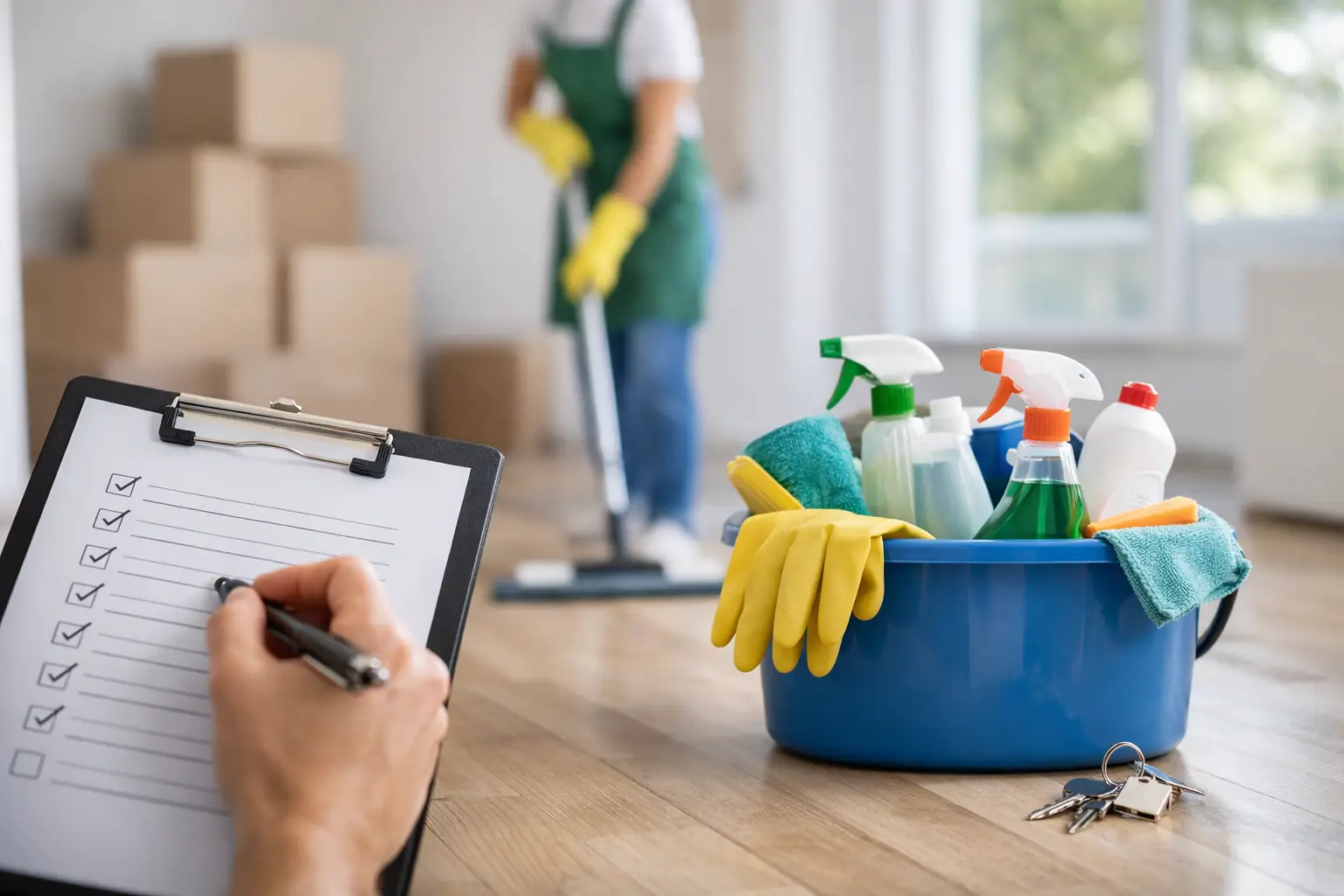
One of the clearest signs of a professional healthcare cleaning service is documentation. Medical centres should have cleaning schedules, task records, and quality checks that can be reviewed when needed. If a complaint arises or an infection control question is raised, a vague assurance that the area was probably cleaned is not enough.
Documented processes support accountability. They show what was cleaned, when it was done, and whether standards were checked. They also make it easier to adjust cleaning frequency as patient volumes change, new services are added, or seasonal illness increases pressure on the practice.
This is especially valuable for larger centres and multi-site operators. Consistency across locations is difficult without a clear system. A well-managed provider helps standardise that process while still adjusting for the layout and workflow of each site.
Why after-hours flexibility often makes the difference
Many medical centres cannot have cleaners working through key patient periods. Reception areas are active early, consult rooms turn over quickly, and privacy matters. That is why flexible scheduling is often part of meeting medical centre cleaning requirements in a practical way.
After-hours and early morning services allow a more thorough clean without disrupting appointments or creating safety issues for patients moving around wet floors and equipment. Some centres also need daytime touchpoint support, especially during peak cold and flu periods or in high-volume clinics.
The right schedule depends on patient numbers, service mix, and operating hours. A smaller suburban practice might need one detailed clean each evening and a weekly deep service. A busier medical site may need several touchpoint rotations during the day plus a comprehensive nightly clean. It depends on the risk profile, not just the tenancy size.
Choosing a provider who understands healthcare spaces
When comparing cleaning providers, medical centres should look beyond price alone. A cheaper quote can become expensive quickly if standards slip, staff are poorly trained, or issues have to be chased repeatedly. In healthcare, reliability is part of the service itself.
A strong provider will offer a customised scope, transparent quoting, insured staff, and quality control that can stand up to scrutiny. They should be comfortable discussing frequency, risk zones, consumables, waste procedures, and site-specific needs rather than pushing a fixed package. For Sydney practices that want a dependable cleaning partner, that level of planning is what helps elevate the space while protecting the people who use it.
Goldenshine Facility approaches healthcare environments with that same focus on tailored service, professional execution, and hygiene standards that support confidence every day.
A medical centre does not need cleaning that merely looks good for the first patient through the door. It needs a system that holds up through a full day of appointments, changing conditions, and constant contact – because in healthcare, consistency is what people trust.